
Digital infrastructure has transformed how people travel, interact, and access information. Among the technologies driving this transformation, the LED display has become one of the most intuitive, flexible, and practical tools. From transportation hubs to commercial buildings, these displays connect data to daily life, transforming complex urban information into clear visuals.
Applications of LED Displays in Smart City Infrastructure
Smart cities begin with a clear and continuous communication infrastructure. The LED display provides residents with readily accessible, real-time information. Whether it’s traffic updates, social announcements, or environmental data, LED screens ensure the city’s responsiveness and interconnectivity.
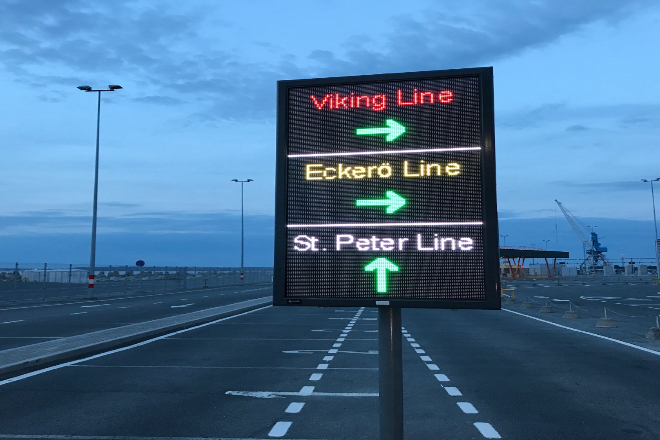
Modern transportation systems rely on real-time visual cues to help drivers react quickly. Highway signs, tunnel entrances, toll booths, and parking lots all utilise these displays to promptly disseminate traffic information. Because LED technology performs reliably in outdoor environments and under continuous operation, it remains the preferred medium for delivering critical traffic information.
Secondly, in emergencies or severe weather, it can immediately alert thousands of people. Serving as a communication bridge between city managers and the public, its high brightness ensures visibility day and night, and its wide coverage allows people to receive information quickly. This helps improve safety and enhances public trust in public services.
In busy areas, it can also display air quality indexes and weather changes, giving residents peace of mind when travelling.
Enhancing Public Services Through Visual Communication
Many smart city goals rely on transparent and efficient public services, especially in buildings such as government centres, hospitals, and schools.
For example, public service centres need to manage large numbers of visitors. Digital signage in lobbies, queuing areas, and self-service areas can display wait times, service windows, or appointment updates, helping people quickly find the services they need.
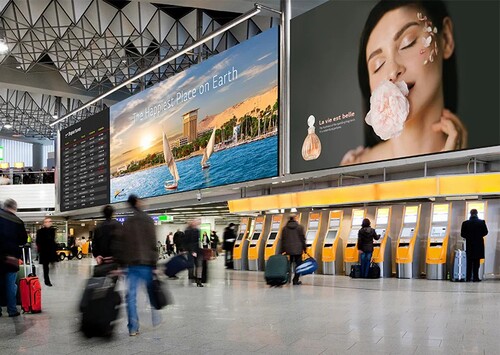
Similarly, in train stations and airports, passengers rely on departure times, gate information, and service prompts. High-resolution, high-refresh-rate digital displays ensure clear visibility even at a distance or in bright indoor lighting. This reduces the inconvenience caused by passengers missing updates.
Finally, public health institutions benefit from digital communication within their facilities. Dynamic displays can share patient registration guides, emergency response procedures, and disseminate health information in waiting rooms and corridors. This reduces congestion at the reception desk, allowing patients and visitors to move around the hospital more easily.
Innovative Applications of the LED Display in Intelligent Transportation Systems
Modern traffic control centres collect data from sensors, cameras, and road equipment. When road conditions change, operators can immediately update the outdoor LED display to guide drivers to reroute after accidents, issue detours, or adjust speed limits based on real-time traffic conditions.
Bus stops and subway platforms utilise these displays to provide countdowns, route change information, and real-time passenger flow data. This empowers passengers and helps reduce the inconvenience caused by delays. Transparent displays ensure barrier-free access for the elderly and visually impaired.
Furthermore, pedestrian crossing countdowns, lane direction indicators, and illuminated warning signs can all utilise LED modules due to their durability and low power consumption. These displays make non-motorised travel safer, encourage more environmentally friendly travel options, and better use urban roads.
Creating Engaging Public Spaces with Digital Experiences
Using an LED display to decorate city squares with festival content attracts public attention and encourages residents to explore shared spaces. These experiences boost local tourism and support the economic activities of surrounding businesses. Sports and entertainment facilities also utilise large visual displays to engage audiences. Stadium screens display live replays, event schedules, and crowd information, enhancing the on-site experience. These screens also increase sponsor exposure, generating revenue for venue maintenance and funding community projects.
Finally, cultural institutions can use dynamic media to tell stories more vividly. Museums and memorials use digital installations to display historical images or educational content. When visitors see visual narratives seamlessly integrated into their environment, the city’s culture becomes more accessible and relatable.
LED Display Applications in Smart Business Districts
Business districts are often where residents first experience the impact of smart cities.
Firstly, the LED display enhances in-store information delivery. Retailers use window displays or outdoor screens to showcase promotions, new product launches, themed events, or real-time social media updates. Because content can be updated instantly, brands can keep their information fresh and adapt to market demands and foot traffic.
Shopping malls can also rely on indoor LED screens for directional guidance. Large visual wayfinding systems guide visitors through floors, escalators, restrooms, and themed areas. Digital wayfinding systems reduce customer search time and help them discover areas they might otherwise miss, thereby boosting business activity within the building.
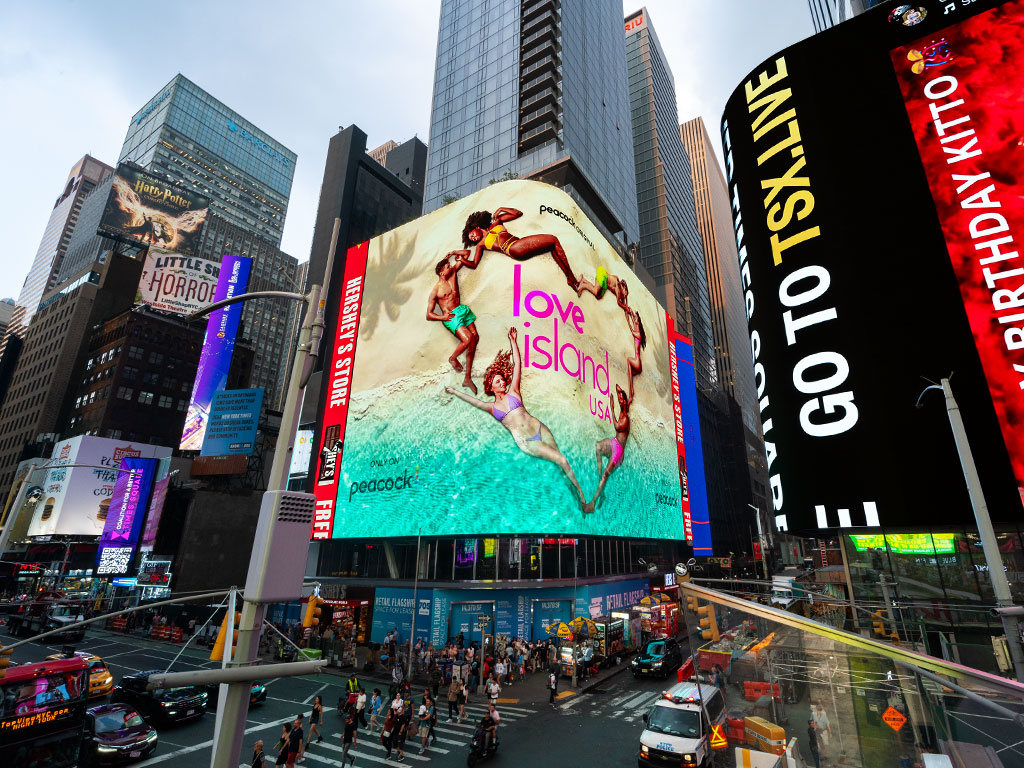
Secondly, the business district also benefits from large outdoor advertising screens. These high-impact displays present high-resolution images, attracting the attention of pedestrians and commuters. The vibrant visuals and clever layout combine to make them an effective means of brand promotion, cultural messaging, and city storytelling.
The Contribution of the LED Display to Urban Sustainable Development
Sustainable development is a core pillar of thoughtful city planning, and LED displays help improve energy efficiency, reduce waste, and promote a more environmentally conscious urban lifestyle.
Compared to traditional lighting and digital signage technologies, LED displays consume less power. Advances in LED chip efficiency, driver design, and optical performance have significantly reduced operating costs. For long-term public facilities requiring 24/7 operation, this efficiency advantage delivers substantial energy savings and aligns with environmental goals.
The durability, weather resistance, and modular structure of LED displays make maintenance easier in cities, eliminating the need for frequent replacements. When maintenance is required, technicians can replace individual modules rather than the entire system, reducing material waste and downtime.
LED displays influence how information is disseminated, how people interact with the environment, and how cities build safer, more sustainable communities. They are ubiquitous in transportation networks, service facilities, commercial areas, and public spaces, reflecting a city’s widespread emphasis on modernisation and digital efficiency.