
Traditional retail stores have historically relied on static shelves, printed posters, and fixed lighting to communicate with customers. However, as digital display technology advances rapidly, customer expectations are rising. This shift in expectations has propelled brick-and-mortar retail into a new era, where a flexible LED display, among other visual tools, can reshape a store’s look, create atmosphere, and engage customers in fun ways.
Due to their inherent design, flexible LED displays can adapt to architectural forms, curved surfaces, and unconventional layouts. They breathe life into otherwise static spaces, transforming ordinary walls, columns, and shelves into expressive visual elements. For store owners and brand managers seeking to revitalize their physical store environments, this technology offers a practical, visually impactful path to success.
Flexible LED Display – A New Visual Language for Retail
A store’s visual identity profoundly influences a customer’s perception of the brand within seconds of entering. Flexible LED display technology breaks through traditional flat layouts. By bending, wrapping, and adapting to interior structures, these displays create fluid forms that naturally attract attention without appearing jarring.
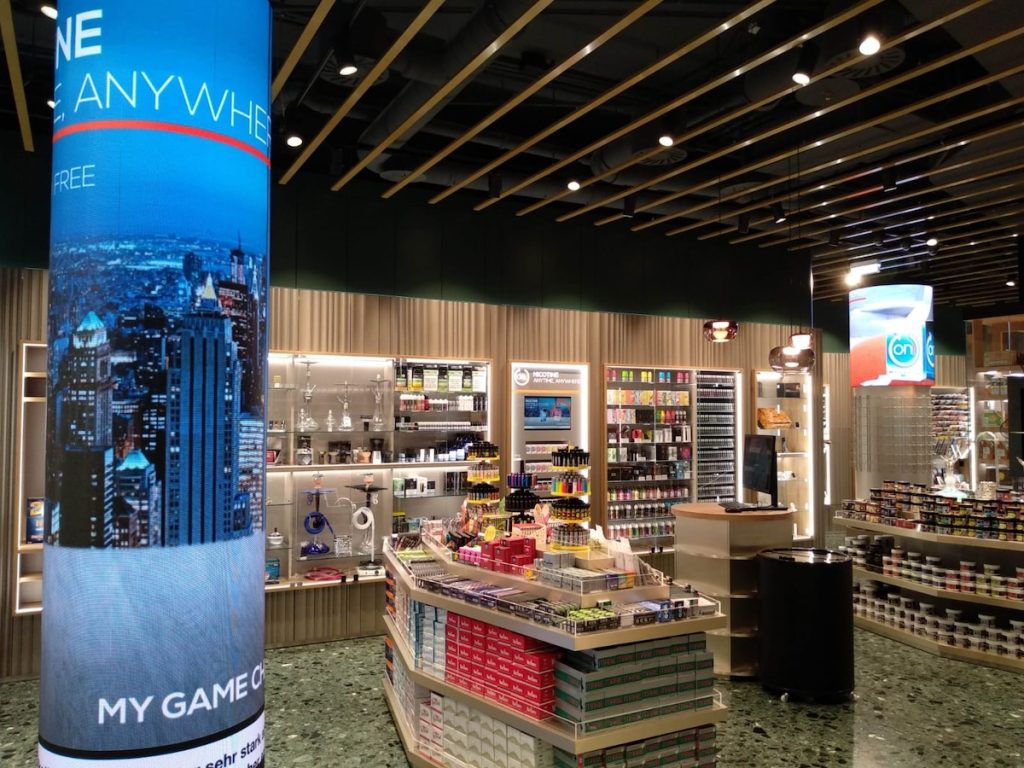
Curved LED walls at entrances, strip displays extending along aisles, and seamless digital surfaces surrounding pillars allow brands to present content in a unified rather than jarring way. This integration is crucial. Customers focus on elements that belong to the space itself.
Retailers also benefit from the ability to adapt content instantly. Seasonal events, new product launches, and promotional information can be turned on and off without replacing physical screens. This flexibility ensures visual communication always stays fresh while maintaining a consistent brand tone across all stores.
Enhancing Customer Engagement Through Immersive Design
Customer engagement in physical stores also depends on the in-store atmosphere. Lighting, color, and dynamic effects all influence how long customers stay. Flexible LED displays enhance these elements by creating dynamic, immersive environments.
For example, fashion boutiques can use fluid visuals that echo fabric textures, while sporting goods retailers can display dynamic graphics that reflect the energy of sports. These visuals are more than just wall decorations; they help tell a story that aligns with the product’s theme. When customers are immersed in the story, they are more likely to explore deeper into the store.
Another advantage lies in subtle guidance. Displays can guide customer flow through visual cues, highlighting featured areas or drawing attention to new collections. This approach feels natural and fluid rather than didactic, improving navigation without disrupting the shopping experience.
Flexible LED Display and the Evolution of Store Layouts
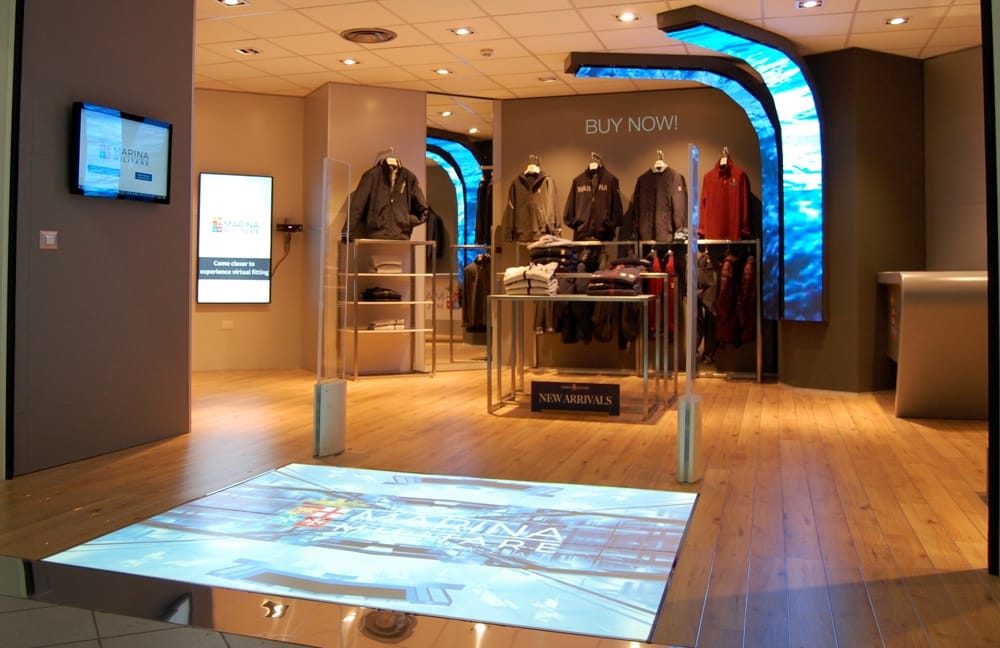
Straight lines and fixed structures once limited store layouts. Flexible LED display technology has broken many of these limitations, allowing designers to create designs with curves, layering, and smooth transitions. This freedom enables more creative use of space, especially for stores with irregular floor plans or structural columns.
Flexible displays do not obscure architectural challenges; instead, they transform them into visual focal points. Columns become digital art canvases, and curved walls become storytelling canvases. This approach helps stores maximize visual impact without expanding their physical space.
The evolution of the layout also supports modular design. As the store concept evolves, displays can be reconfigured or repositioned. This adaptability is essential for retailers who frequently update their layouts or test new product categories. Ultimately, the store environment evolves in tandem with consumer trends, rather than lagging behind them.
Practical Advantages Beyond Visual Appeal
While visual impact often attracts consumers’ attention, practicality also plays a crucial role. The lightweight structure of the flexible LED display reduces installation limitations, making it suitable for wall, ceiling, and even suspended designs.
Durability is another crucial factor. The modern flexible LED module is designed to withstand frequent operation and maintain stable brightness over long periods. This reliability meets the extended operating hours standard in retail environments.
Maintenance is also easier. The modular structure allows for maintenance of individual sections without disassembling the entire display. For store managers, this means less downtime and consistent display quality, both critical in customer-facing spaces.
Flexible LED Display in Branding and Storytelling
Brand storytelling is no longer limited to slogans and printed images. Flexible LED display technology enables brands to express their brand image through dynamic effects, rhythm, and spatial presentation. Content can be tailored to brand characteristics, from subtle to bold, and updated over time to reflect new brand stories. Luxury retailers often employ soothing, elegant animations to reinforce brand exclusivity, while lifestyle brands prefer vibrant, approachable visuals. Flexible displays, by seamlessly integrating with architectural structures, offer a more immersive narrative.
Cross-store consistency is another significant advantage. Centralized content control ensures brand messaging remains consistent, even as each store adjusts its visuals to suit its local layout. This balance between consistency and personalization enhances brand recognition without sacrificing creative freedom.
Answering Frequently Asked Questions
Customers considering flexible LED displays typically inquire about their suitability and cost-effectiveness. One common concern is brightness and clarity within retail spaces. Modern flexible LED technology offers high brightness and contrast, ensuring clear visibility under various lighting conditions.
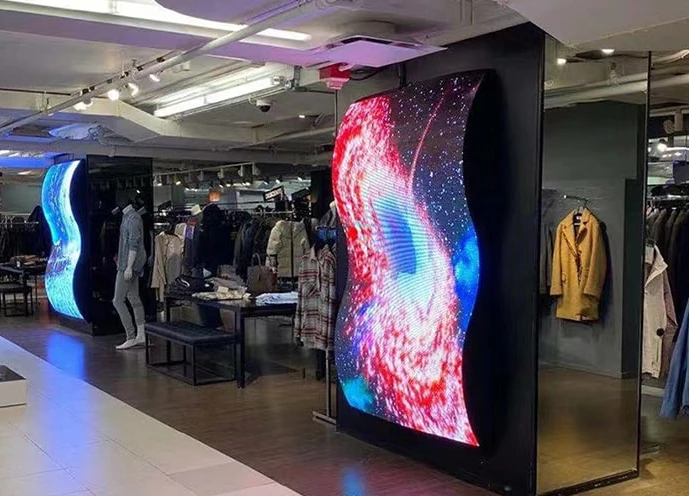
Another issue is compatibility with the existing interior design. Flexible displays are designed to blend seamlessly with traditional materials such as wood, metal, and glass. This compatibility allows for upgrades without complete renovations, reducing installation disruptions.
Energy consumption is also a key focus. Compared to older display technologies, LEDs’ increased efficiency significantly reduces energy consumption. This improvement supports extended operating hours while keeping energy demands on the retail environment within reasonable limits.
Why Flexible LED Display Is Redefining Traditional Stores
Flexible LED display transforms static interior spaces into expressive environments, communicating, guiding, and interacting with customers through dynamic effects and shapes. These displays blend seamlessly with architectural features, creating a sense of harmony that resonates with modern consumers.
Beyond visual appeal, flexible LED display offers flexible layouts and reliable performance, supporting daily retail operations. They enable brands to tell stories that evolve while maintaining consistency across different stores.
For retailers seeking diverse retail spaces and to meet customer expectations, flexible LED displays offer a clear path forward. They bridge the gap between digital expression and physical experiences, ensuring traditional stores remain attractive and visually impactful in an increasingly experience-driven retail environment.