
An outdoor LED display is often the most eye-catching element of urban visual landscapes, towering over building facades, highways, plazas, and commercial centers. Unlike indoor screens, outdoor LED displays must operate reliably in wind, rain, high temperatures, and under prolonged continuous operation. Therefore, their installation and structural design are not simple construction tasks, but a rigorous process that requires consideration of mechanical stability, environmental protection, and practical maintenance planning.
Many buyers initially focus on pixel pitch, brightness, or price, which is undoubtedly correct. However, problems in practice often stem from improper installation methods or unreasonable design. Issues such as screen deformation, water leakage, vibration, or unsafe load distribution can all shorten their lifespan.
Environmental Conditions and Site Assessment
First, a comprehensive site assessment must be conducted before any steel structure fabrication or module hoisting. Outdoor LED displays are installed in diverse environments, including open plazas, roadside utility poles, rooftops, and building walls. Each installation location presents unique challenges that directly impact structural design and installation methods.
Wind load is one of the most critical factors. Screens installed at height or in open areas must withstand strong gusts and sustained wind pressure. Engineers typically calculate wind loads based on local standards, screen area, and installation height. In coastal or typhoon-prone areas, additional safety reinforcement is required to prevent structural loosening.
Secondly, temperature variations are a concern. Outdoor advertising LED screens operate year-round, and metal components experience thermal expansion and contraction. The structural design must accommodate this expansion and contraction while avoiding excessive stress on cabinet connections or mounting points. Drainage pathways should also be planned to prevent water accumulation during heavy rains.
Power access, cabling, and maintenance space must also be clearly planned early on. Having a clear understanding of how technicians inspect the back or front of the screen simplifies subsequent maintenance and reduces downtime. A proper site assessment is fundamental to ensuring a stable and reliable installation.
Structural Design Principles for an Outdoor LED Display
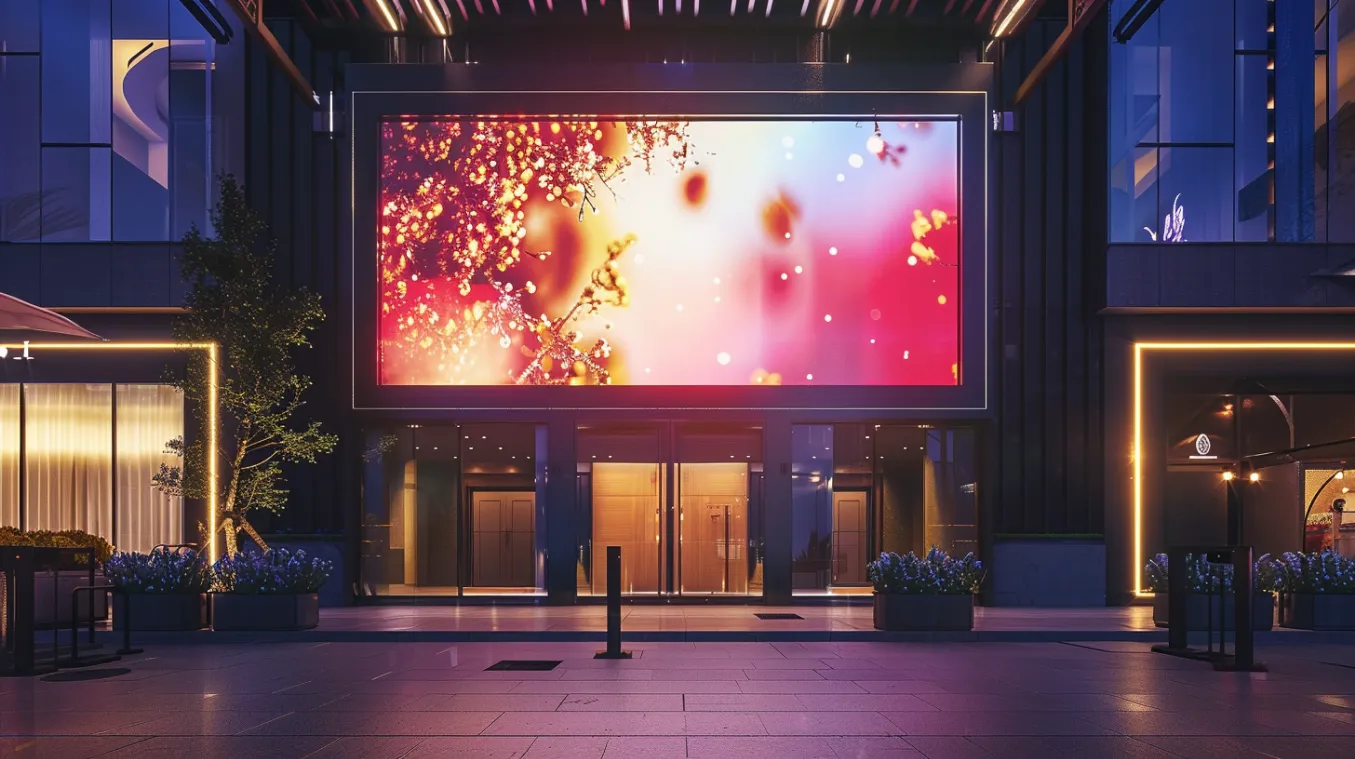
For an outdoor LED display, effective display structural design begins with a frame that can safely support the LED cabinets, power supply equipment, and cables while resisting long-term environmental loads. As the system’s main supporting structure, the frame must maintain stability under wind, rain, temperature changes, and continuous operation.
Steel structures are the most common choice due to their strength and durability. Depending on the installation type, designs may include wall-mounted frames, column-supported structures, or roof pedestals. All load-bearing components should be calculated in accordance with local building codes, with particular attention to dead, live, and wind loads.
Corrosion resistance is equally important. Outdoor structures are exposed to moisture and air pollutants, so hot-dip galvanizing or high-quality anti-corrosion coatings are strongly recommended. In humid or coastal environments, stainless steel fasteners help prevent failures caused by rust. Precise manufacturing processes ensure proper alignment of the LED light boxes during installation. Uneven frames can create gaps between modules, leading to water ingress or visible seams on the display surface. A well-designed structure not only enhances safety but also improves visual consistency.
Considering the Foundation and Load-Bearing Capacity
For ground-mounted outdoor LED billboards, the foundation transfers the weight of the entire display system to the ground or building structure. Reinforced concrete foundations are typically used. Their size and depth depend on soil conditions, screen size, and wind conditions.
The soil’s load-bearing capacity must be assessed before construction. Soft soil may require deeper foundations or additional reinforcement. For rooftop installations, the building’s load-bearing capacity should be verified by structural professionals to ensure it can support the display and its frame without compromising safety.
Anchor bolts and embedded plates must be precisely positioned to match the steel structure. Even minor deviations can cause alignment problems during installation. Proper curing time for the concrete foundation is also crucial, as premature loading reduces structural strength.
A stable foundation minimizes vibration and movement, helping to maintain image stability and reducing stress on LED modules and connectors over time.

Installation Methods for Outdoor LED Displays
Outdoor LED screen installation requires careful coordination between structural assembly and cabinet mounting. Typically, the installation process begins with erecting the steel frame and checking its levelness and alignment. LED cabinets are usually secured using bolts or quick-lock systems, depending on the product design. Installation should proceed systematically to maintain even gaps and consistent flatness. Technicians must ensure that each cabinet is securely fixed while allowing slight room for thermal expansion.
During installation, electrical connections should be neatly organized and protected. Power and signal cables must be neatly routed and securely fixed to prevent wear or moisture. Grounding is a critical safety requirement and should be carried out in accordance with electrical standards. Weather conditions during this period are also necessary. Strong winds or heavy rain increase risks and may affect alignment accuracy. Experienced teams will choose suitable weather conditions for construction to ensure quality and safety.
Waterproofing and Ventilation Design for Outdoor LED Displays
Waterproofing is a fundamental requirement for any outdoor LED display. Even minor leaks can cause module damage, power failures, or corrosion. Server racks typically employ sealing gaskets, drainage holes, and protective coatings to achieve a high level of protection.
Proper installation enhances this protection. Rack seams must be tightened evenly to ensure an appropriate seal compression. Cable entry points should use waterproof connectors or sealing rings to prevent water ingress.
Meanwhile, heat dissipation must also be considered. Outdoor advertising LED screens generate heat during operation, especially at high brightness. Natural ventilation through rear vents or forced ventilation using fans helps maintain a stable internal temperature. The ventilation path design should ensure effective heat dissipation without compromising waterproofing.
Maintenance Access and Safety Planning
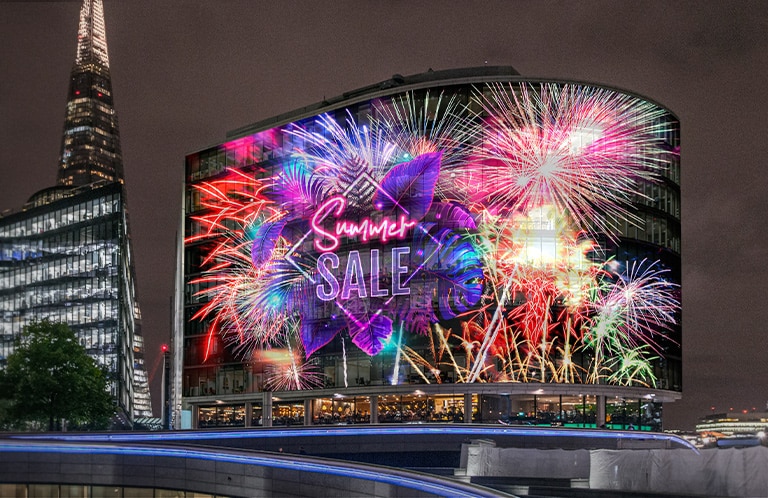
A well-installed screen is not only robust and durable but also easy to maintain. The structural design should include access platforms, ladders, or walkways where necessary. Safe access allows technicians to inspect and maintain the display without disassembling significant components.
In space-constrained locations, a front-maintenance design is preferred. This type of system allows for front-mounted maintenance, reducing the need for rear space. However, the supporting structure requires a separate, specially designed support system for this installation method.
Finally, there are equally essential safety measures such as guardrails, safety ropes, and fall arrestors. Thorough planning can reduce operational risks and ensure compliance with workplace safety requirements.
Long-Term Reliability of Outdoor LED Display Installations
The installation and structural design of outdoor LED displays is a rigorous process, far more complex than simply mounting a screen on a steel frame. It begins with a meticulous site assessment and extends throughout structural design, foundation construction, precise installation, and a comprehensive maintenance plan. Each step directly impacts safety, durability, and visual quality. Careful handling and extensive experience in installation and structural design will ultimately result in a display capable of delivering stable images, withstanding environmental challenges, supporting continuous operation, and minimizing interference.
Regular inspections also help detect corrosion, loose fasteners, and aging seals early. Addressing these issues promptly can prevent minor defects from escalating into major failures. By respecting environmental conditions, using robust and durable materials, and adhering to proven installation standards, outdoor LED billboards can operate reliably for many years, continuously attracting attention.