
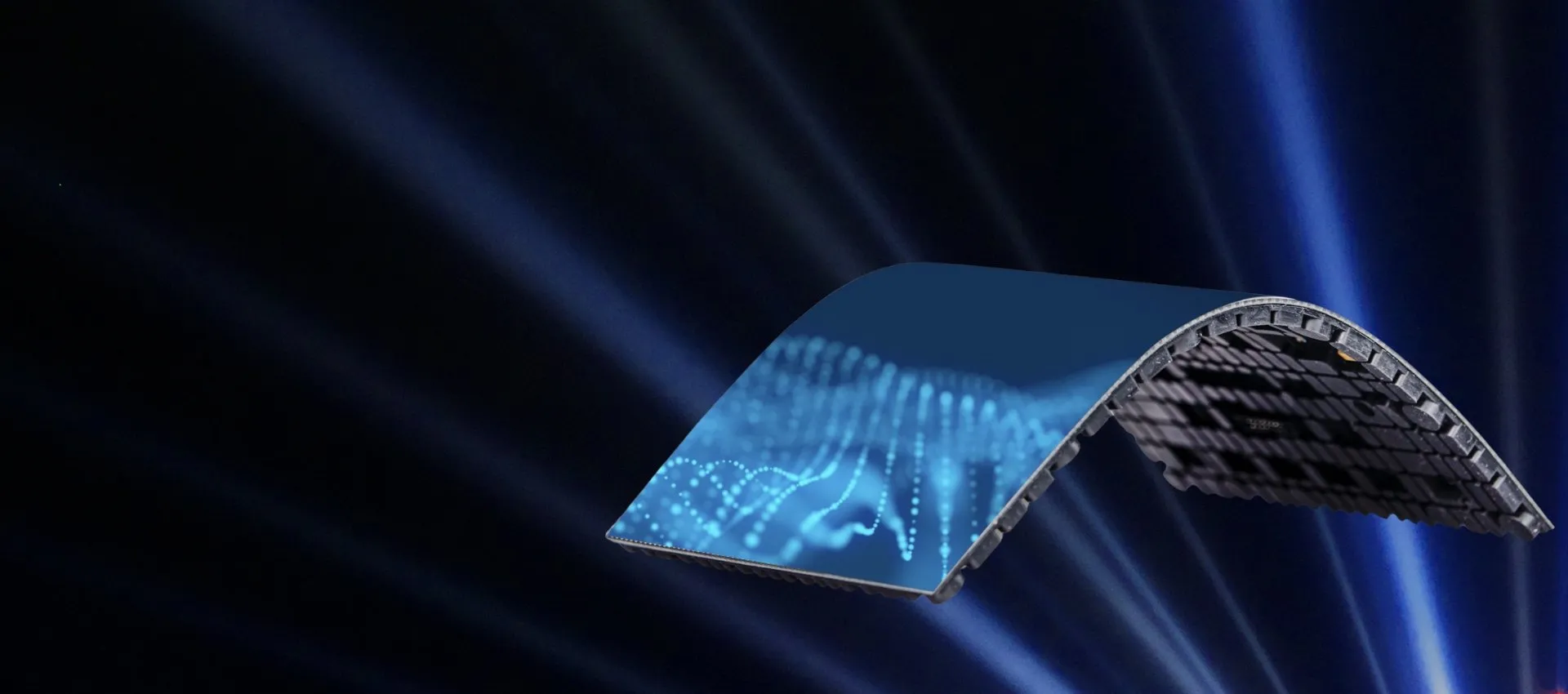
A flexible LED panel is a type that can be installed on curves, cylinders, and even custom architectural shapes. Unlike traditional rigid LED displays, flexible LED panels are mounted on pliable substrates. Such as rubber or flexible printed circuit boards (PCB), making them lightweight, adaptable, and visually striking.
The pixel pitch determines the LED density. Which in turn influences resolution, brightness distribution, and the overall visual quality of the display. Selecting the appropriate pixel pitch enables optimized content delivery, minimizes visible gaps between LEDs, and ensures audiences perceive sharp, vibrant images.
At the same time, flexible LED panels are not only visually impressive but also practical. Their lightweight design reduces transportation costs and simplifies installation, while the modular structure enables large-scale displays without compromising flexibility.
The Role of Pixel Pitch in Visual Quality
Pixel pitch, defined as the distance between the centers of adjacent LED pixels, plays a critical role in image quality—smaller pixel pitch values, such as P1.5 or P2. In contrast, larger pixel pitches, such as P3 or P4, are lower resolution.
In a flexible LED panel, pixel pitch impacts not only image clarity but also how content appears on curved or irregular surfaces. When a panel is bent or rolled, pixel alignment can slightly shift. A finer pixel pitch helps maintain consistent image quality across non-flat installations. Conversely, larger pixel pitches are sufficient for stage backdrops, large advertising cylinders, or architectural façades where the audience is several meters away.
Factors Influencing Pixel Pitch Choice
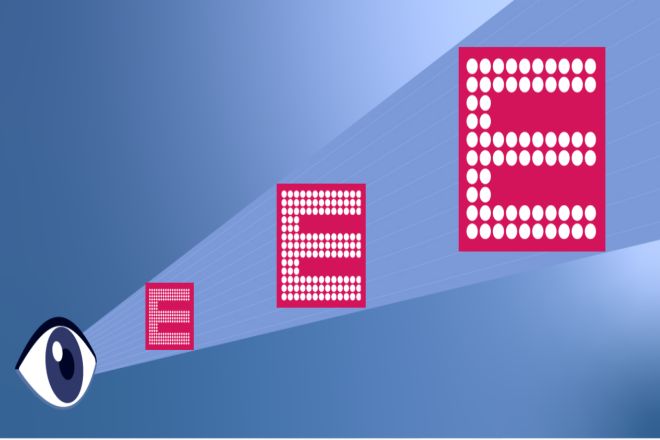
Several factors influence the selection of pixel pitch for a flexible LED display. Viewing distance is the primary consideration. As a rule of thumb, the optimal viewing distance (in meters) is roughly 1.5 to 2 times the pixel pitch in millimeters. For example, a P2 flexible LED panel is ideal for areas where viewers are 3–4 meters away.
Detailed video, text-heavy signage, or interactive content requires finer pixel spacing to maintain clarity. At the same time, simple logos, static graphics, or large-format advertisements can be displayed effectively with coarser pixel pitches.
However, Flexible LED panels can bend, roll, or curve around columns, walls, or even cylindrical structures. Panels with ultra-fine pixel pitch may require more careful handling during installation, as bending tightly can place stress on the densely packed LEDs. Conversely, panels with larger pixel pitches are generally more robust and easier to install on curved surfaces without affecting structural integrity.
Flexible LED Panel Construction and Its Impact on Pixel Pitch
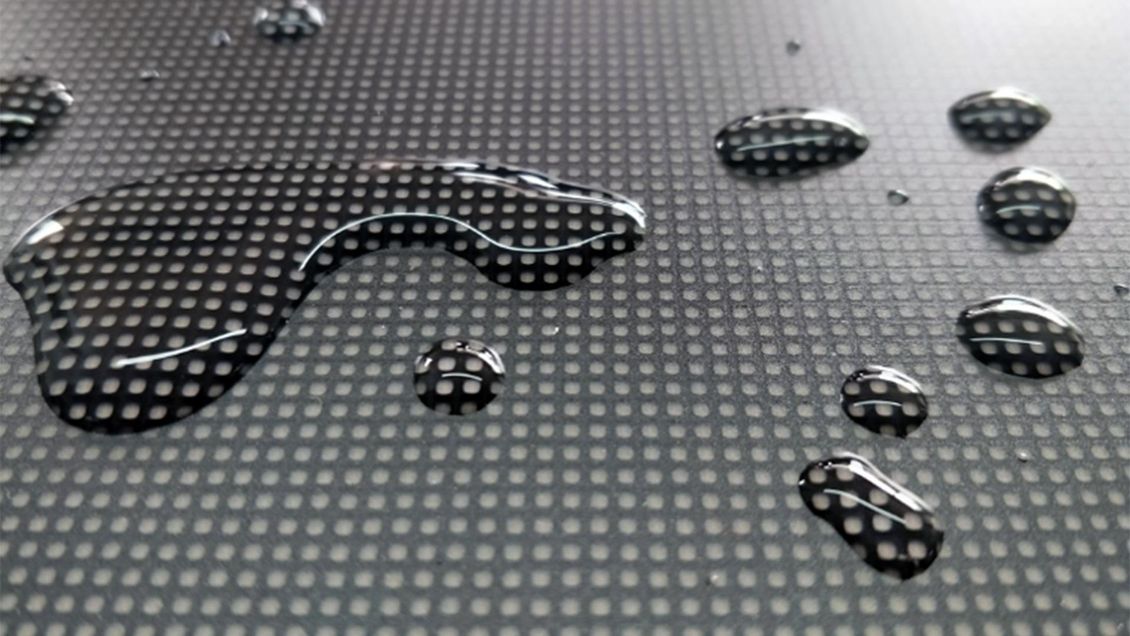
The construction of a flexible LED panel involves mounting tiny LEDs on a soft, insulating substrate, typically made of rubber or a flexible PCB. A protective, transparent layer shields the LEDs from mechanical stress, dust, and moisture while allowing the panel to bend without damage. Advanced technologies, such as Glue-on-Board (GOB), provide additional protection for each LED, enhancing durability and flexibility.
Pixel pitch influences the mechanical properties of the panel. Higher-density panels contain more LEDs per square meter, which can increase weight and reduce flexibility if the design is not carefully engineered.
Modular designs often use magnetic or snap-fit connections, enabling seamless assembly of large displays while maintaining the ability to conform to complex geometries. However, excellent pixel arrangements may require specialized handling during installation to prevent damage to delicate components.
Applications and Viewing Considerations
In retail spaces, cylindrical or curved displays draw attention to products, promotions, or brand messages. Close-range interactions demand smaller pixel pitches (P1.5–P2) to ensure text readability and visual clarity. Stage backdrops and concert displays often feature larger panels that need to be viewed from several meters away, making P3–P4 pixel pitches sufficient.
Architectural applications present unique challenges. For example, a lobby feature with a curved wall may use a flexible LED panel with P2 pitch to ensure text and video remain crisp at eye level. While also maintaining flexibility for the curved installation. Automotive signage, including wraps and interior displays, benefits from small, high-density pixel pitches to maintain legibility in confined spaces.
Human visual perception also guides the selection of pixel pitch. When viewers are positioned beyond a certain distance, ultra-fine pitches offer minimal benefit, as the human eye cannot resolve the additional detail.
Durability and Performance of a Flexible LED Panel
A flexible LED panel must deliver consistent performance while maintaining durability under frequent installation, movement, and environmental stress. So, advanced protective measures, including Glue-on-Board technology and blue-light filtering, must help safeguard the LEDs from impact, moisture, and UV exposure. Blue-light filtering also reduces eye strain for prolonged viewing, particularly in indoor environments.
And panels with finer spacing require more careful thermal management, as densely packed LEDs generate additional heat. Adequate ventilation, thermal conduction materials, and optimized power distribution ensure that high-density panels maintain brightness and color accuracy without overheating. High refresh rates and color consistency are crucial, especially for video content and dynamic visual effects.
Event production, retail rotations, and temporary exhibits demand displays that can withstand repeated assembly, disassembly, and transport. Proper pixel pitch selection ensures that high-density displays remain reliable under these conditions, while coarser pitches may be more robust for heavy-duty or outdoor applications.
Optimising Pixel Pitch for a Flexible LED Panel
Proper consideration of viewing distance, content type, installation surface, and environmental conditions ensures clear. Vivid visuals across curved or irregular surfaces. High-density panels provide sharp detail and fine gradients for close-range applications. Larger pixel pitches offer cost-effective solutions for distant viewing or large-scale displays.
Thoughtful selection of pixel pitch enables LED product manufacturers and integrators to optimize performance while addressing practical constraints such as power consumption. Heat management and mechanical flexibility. Understanding the interplay between pixel pitch, viewing distance, and panel construction ensures every installation achieves maximum clarity, brightness, and longevity.