JR NEWS
Traditional retail stores have historically relied on static shelves, printed posters, and fixed lighting to communicate with customers. However, as digital display technology advances rapidly,

Traditional retail stores have historically relied on static shelves, printed posters, and fixed lighting to communicate with customers. However, as digital display technology advances rapidly,
Whether it’s the external display screens in shopping malls or the electronic screens in train stations, they all rely on a small yet crucial component:
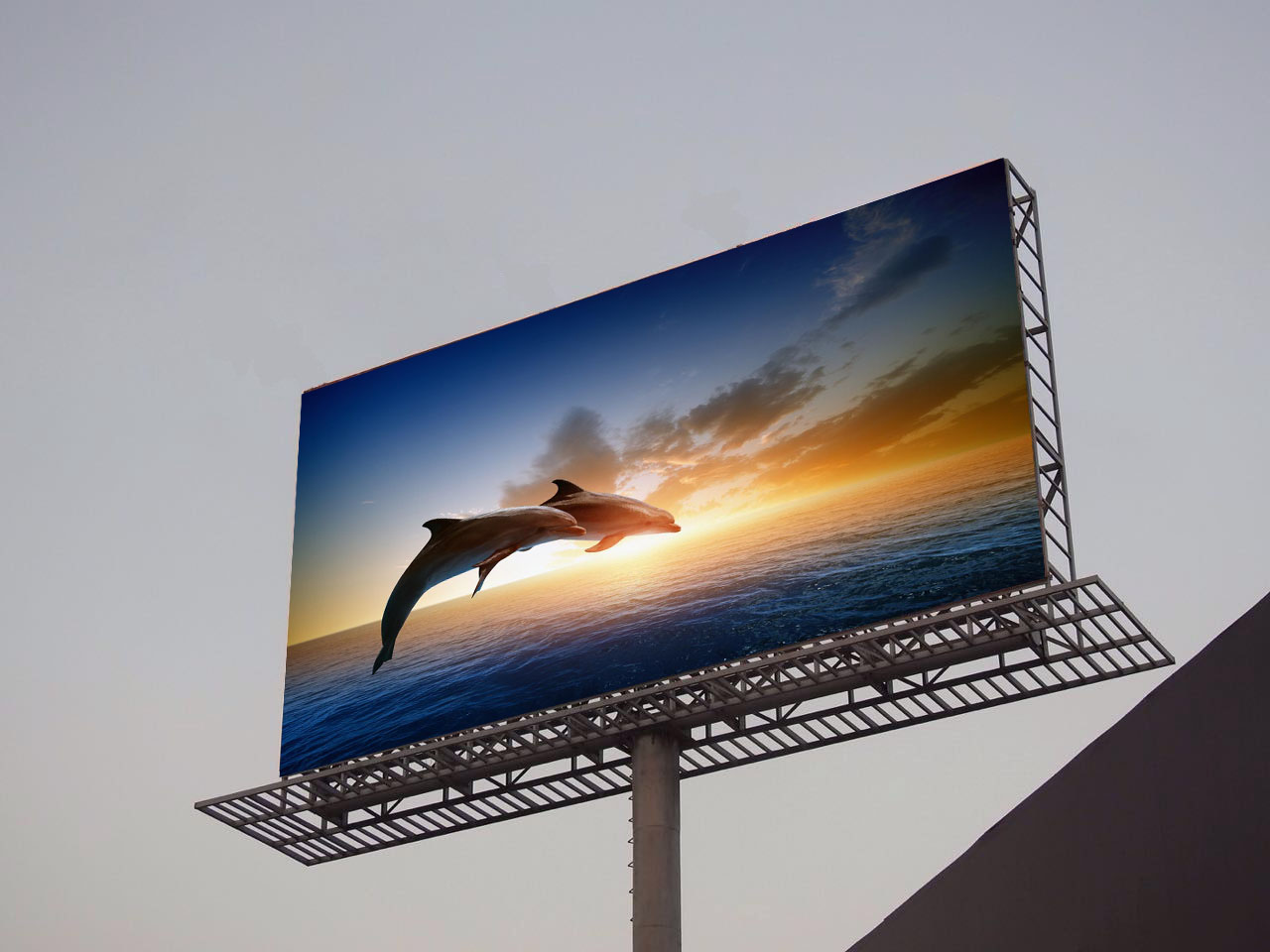
Digital infrastructure has transformed how people travel, interact, and access information. Among the technologies driving this transformation, the LED display has become one of the
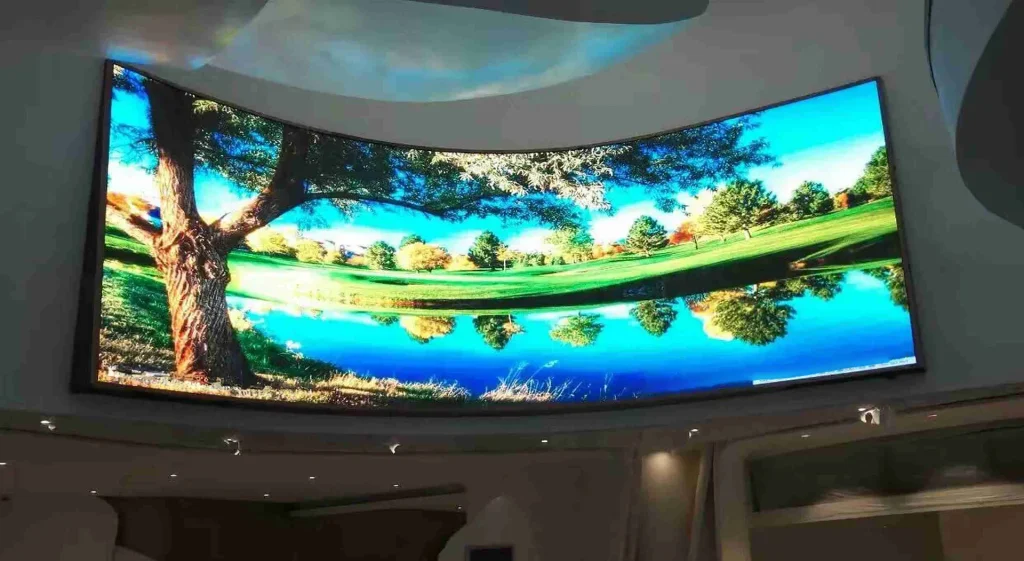
In indoor applications, where viewers are very close to the screen, even the slightest differences between modules become immediately apparent. Therefore, selecting the right LED
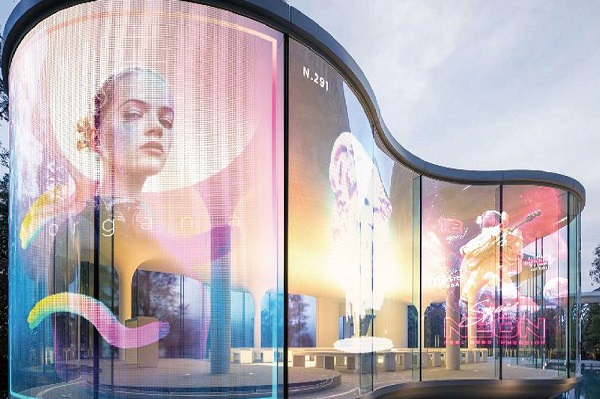
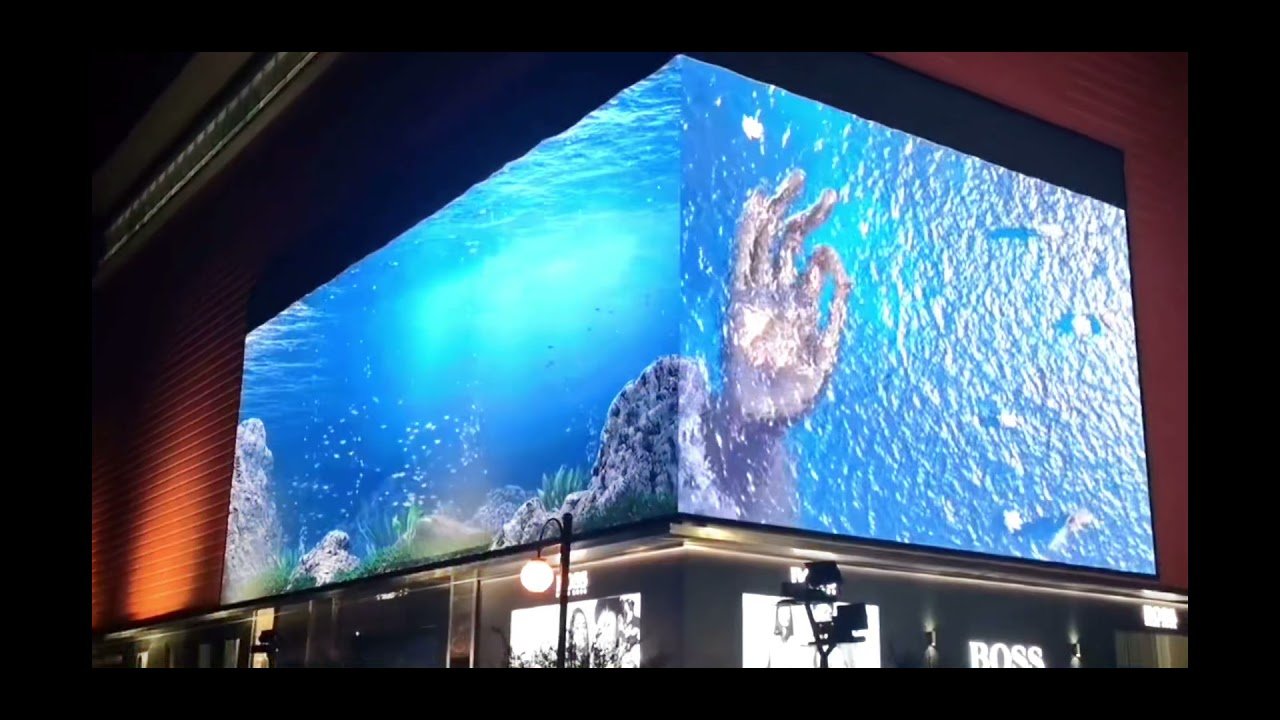
LED displays have become a new canvas for modern architecture, perfectly blending technology and design to redefine the visual expression of buildings. From high-definition screens
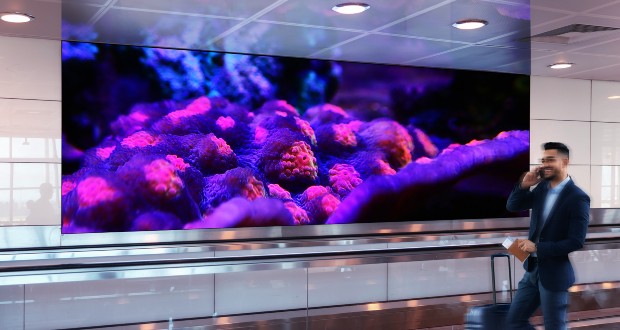
Choosing the correct display technology is not simply about selecting equipment. It directly impacts brand reputation, brand image, user experience, operational efficiency, and long-term returns.
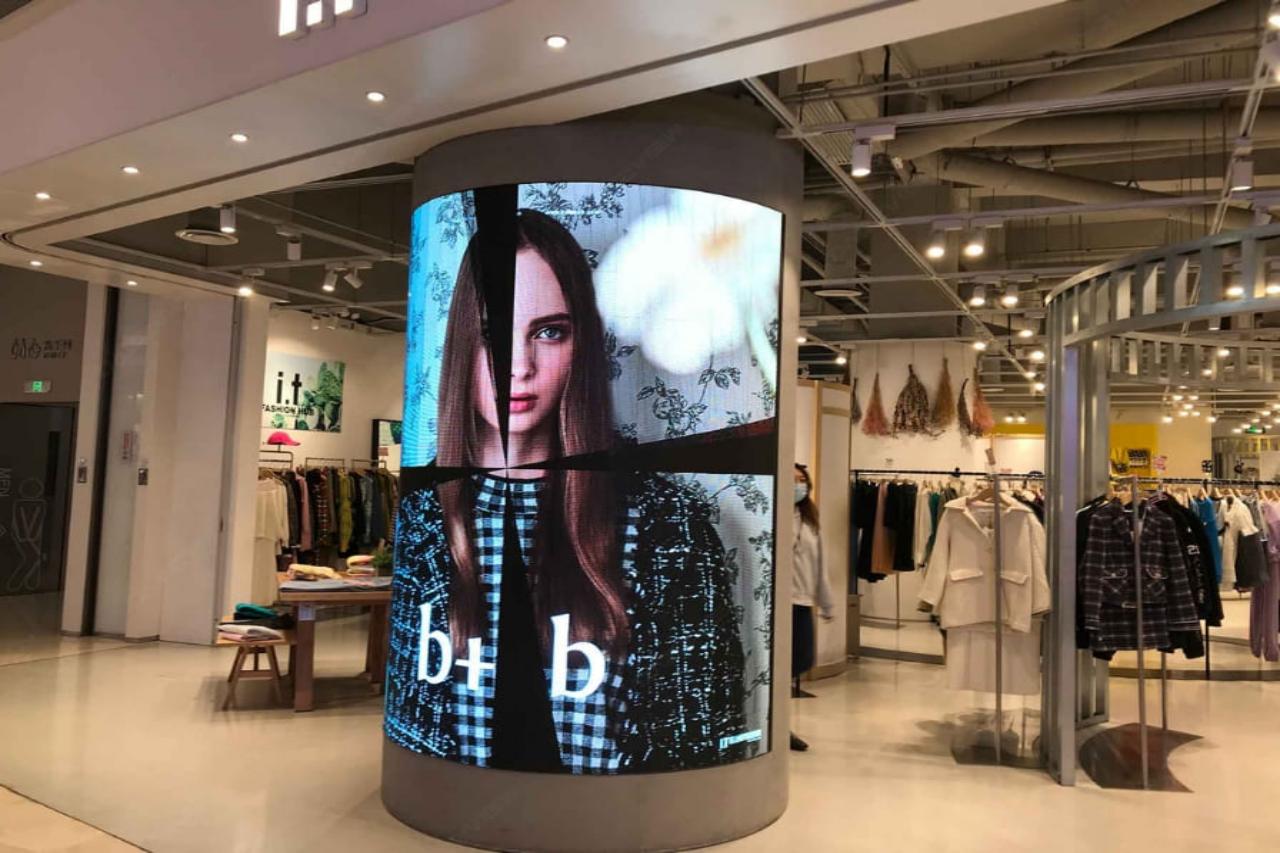
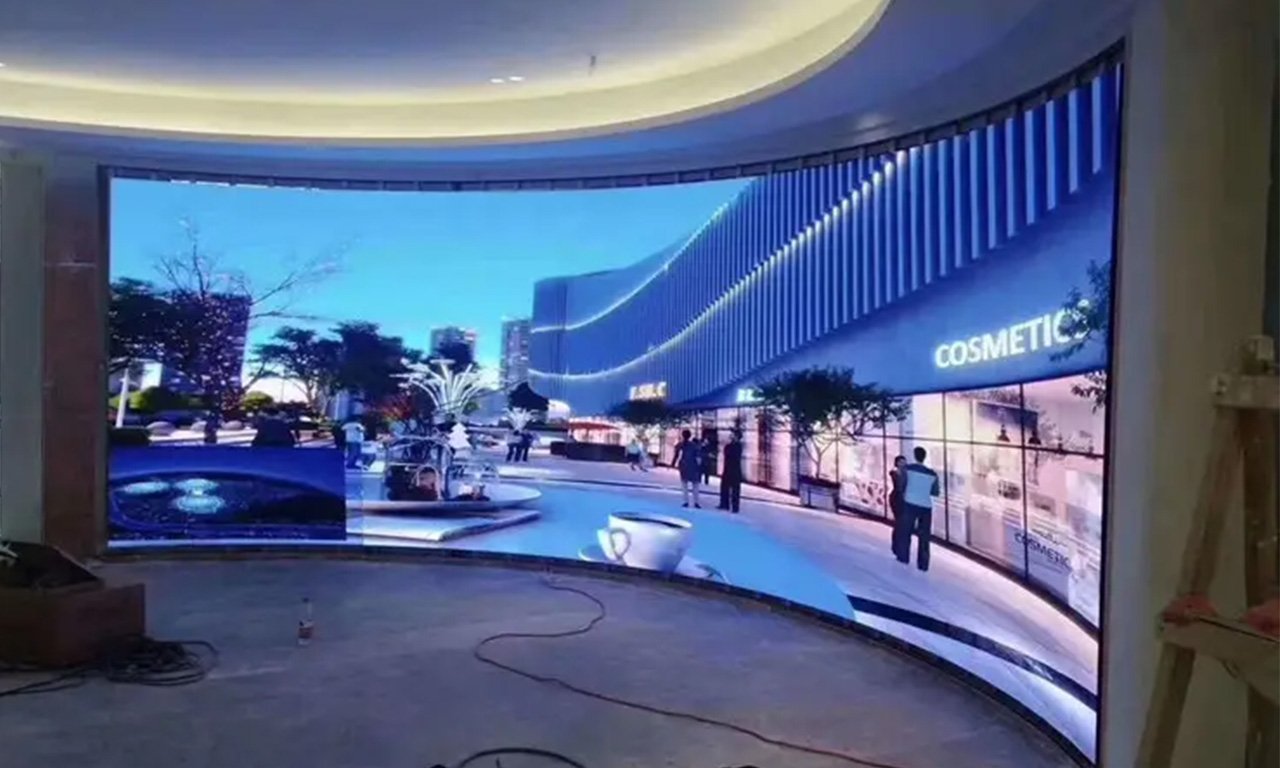
Curved retail storefronts have become a design choice for a reason: they stand out in bustling commercial areas, soften harsh architectural lines, and attract customers
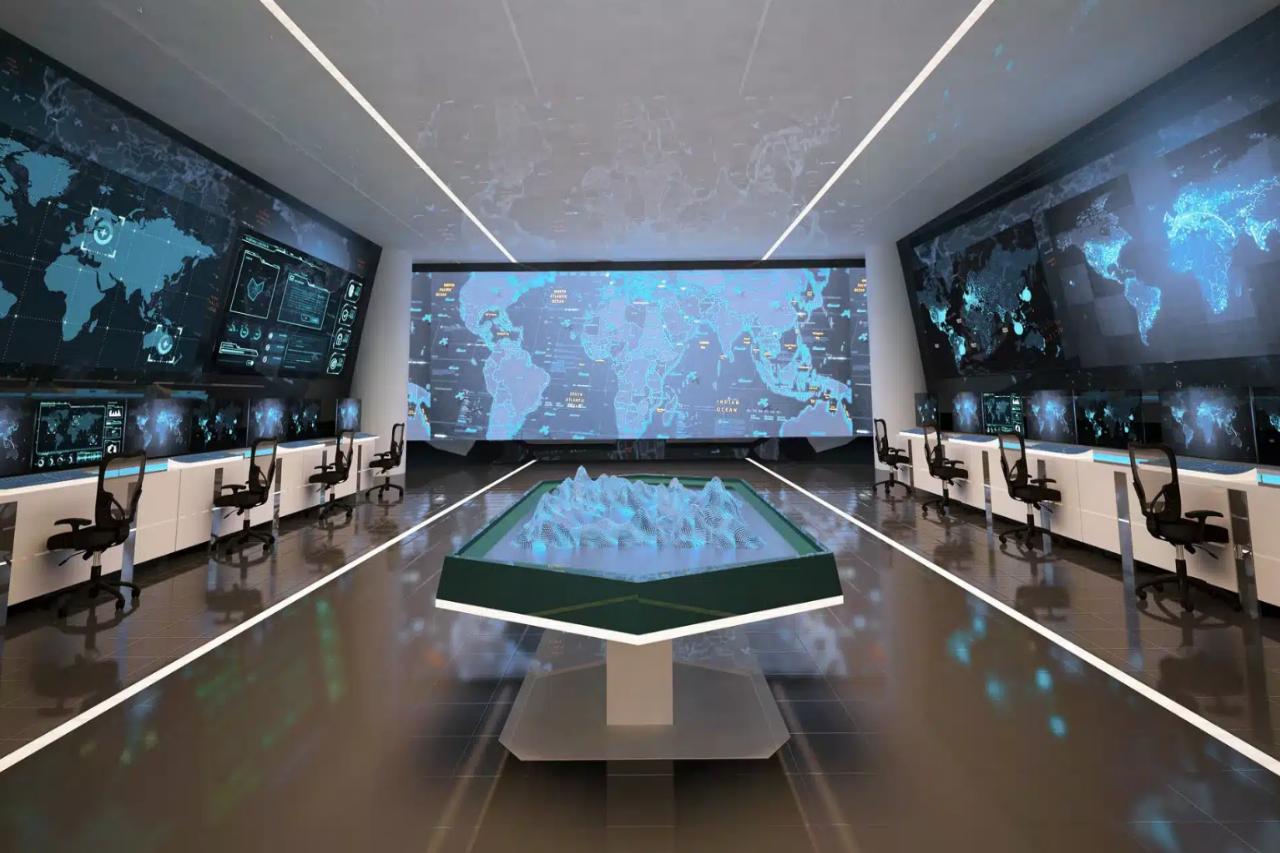
A power grid monitoring and control room, operating an SMD LED display 24/7, suddenly flickered and went out at 2 AM. The cause was dust
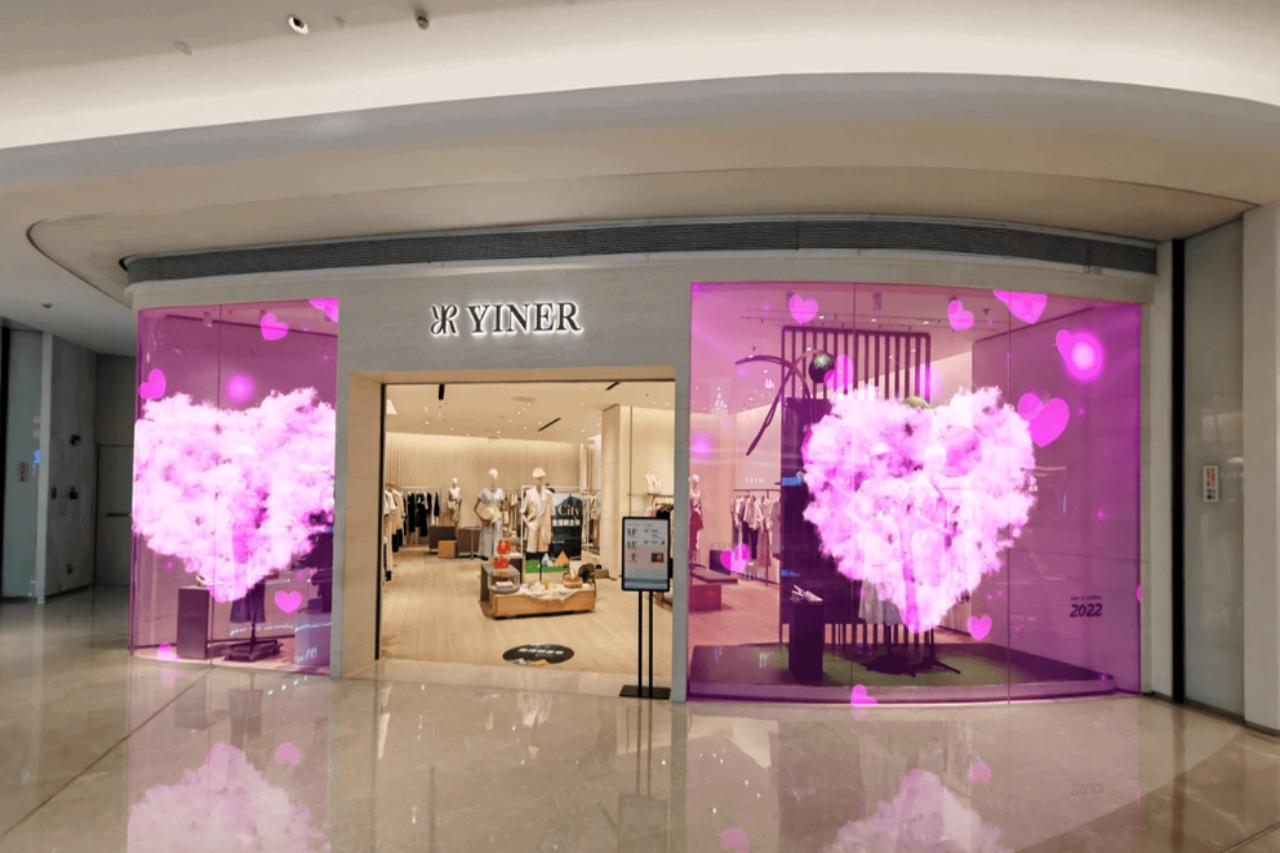
The key to a shopping mall’s success lies in two things: atmosphere and interaction. Traditional LED displays often fall short in these two areas, but
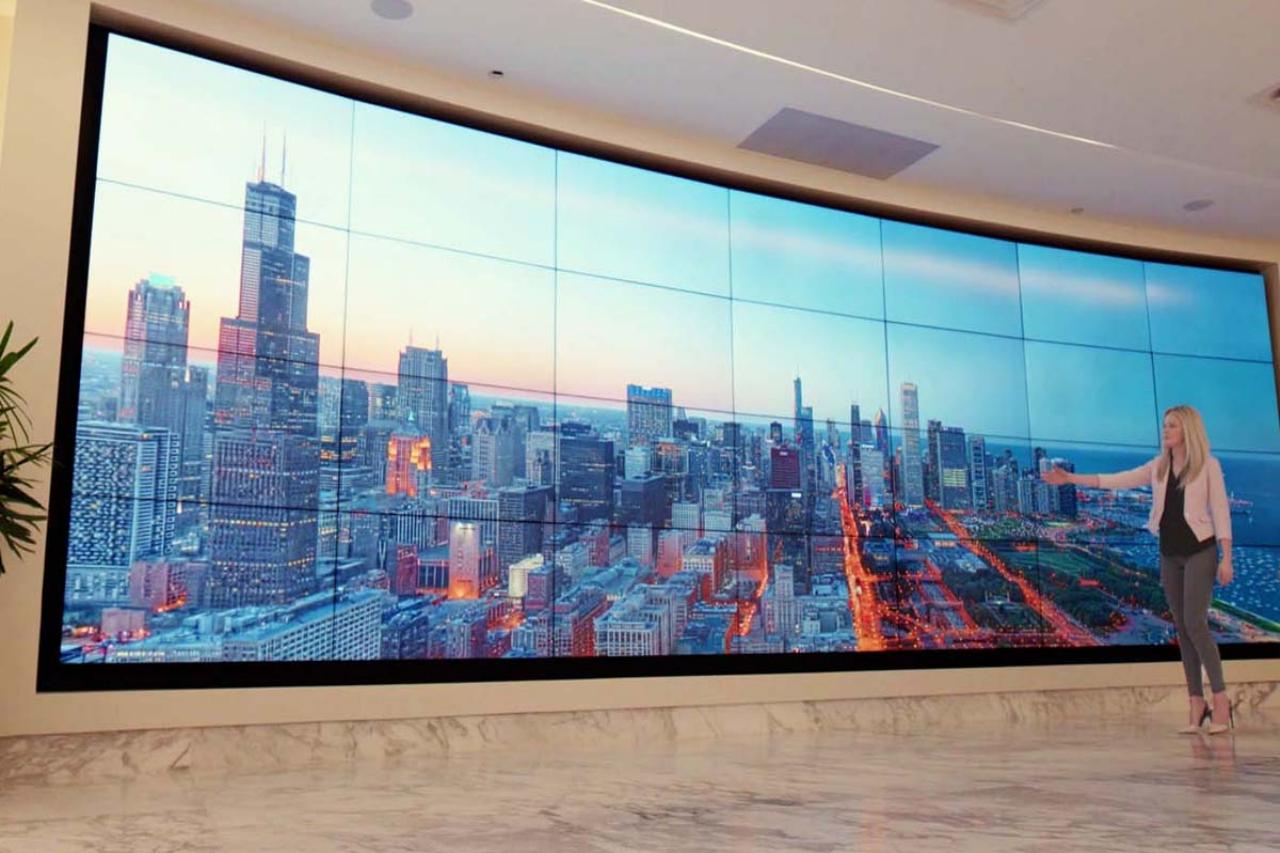
A well-known travel brand replaced its static billboards with a kinetic LED display. In just 90 days, the brand saw a 147% increase in social