Sharper fine detail
Small text and dense content stay easier to read from short viewing distance.

Compare COB LED display vs traditional LED display to see how close-viewing clarity, surface protection, cleaning, and maintenance affect real indoor projects. The side-by-side comparison helps you choose a better display solution before requesting a quote.
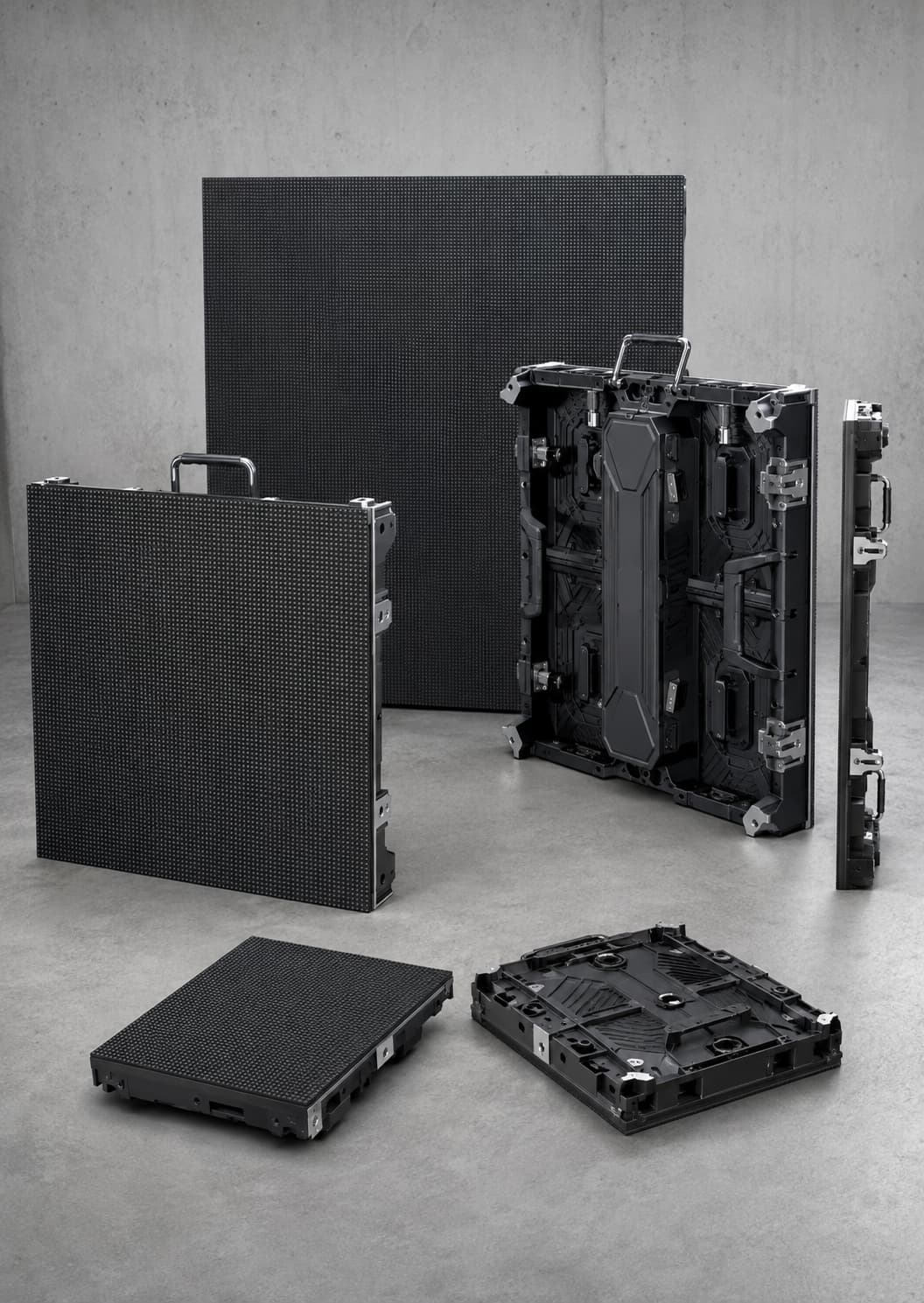 Traditional LED Reference
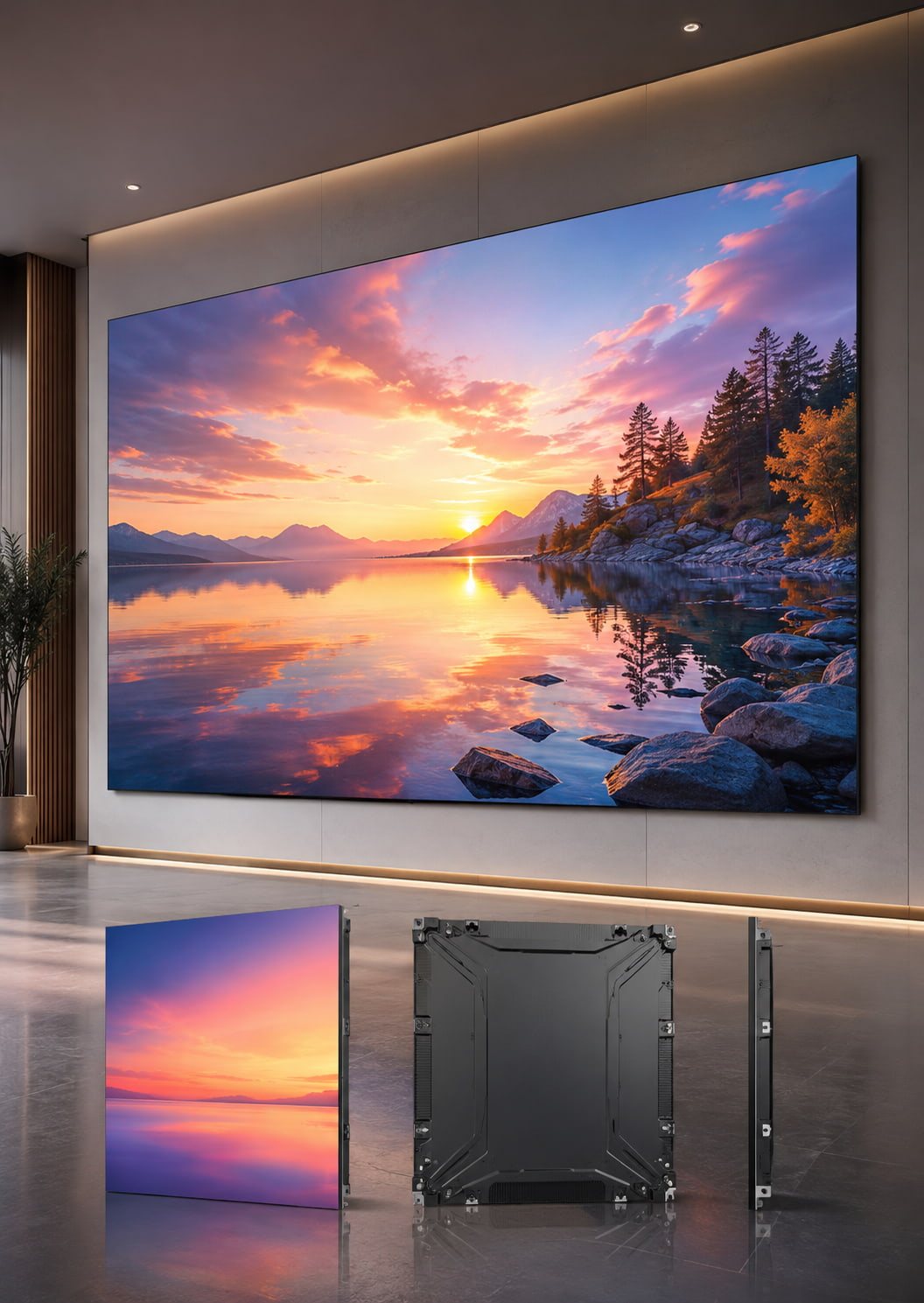 COB LED Display
These advantages are usually reviewed first because most indoor display projects are judged by close-viewing clarity, surface protection, and long-term service workload before a final quote is confirmed.
Small text and dense content stay easier to read from short viewing distance.
COB reduces exposed lamp bead risk during touch, cleaning, and handling.
A cleaner display face helps premium indoor walls look more refined.
Better protection supports long-use spaces such as control rooms.
Less surface damage risk can reduce maintenance concerns over time.
This section compares traditional LED structure with COB packaging, showing how viewing distance, handling, cleaning, and daily operation affect the final display result.
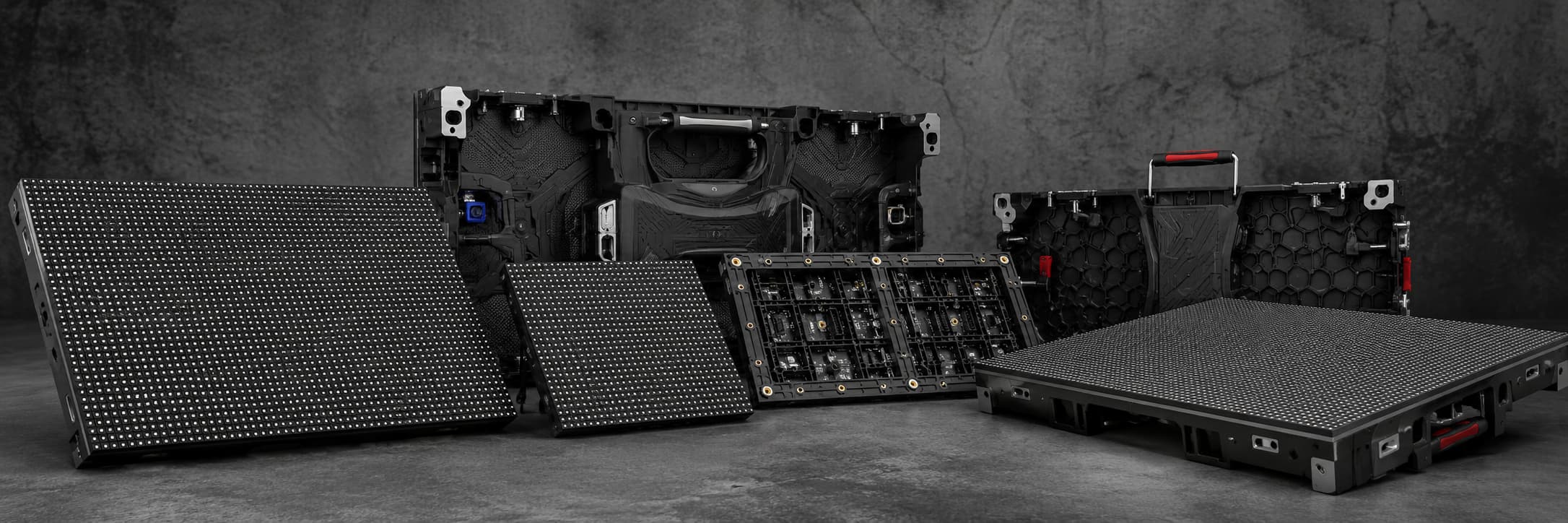
When viewers sit near the screen, lamp structure and pixel grain become easier to notice.
COB supports smoother close-viewing for control rooms, meeting rooms, and premium indoor walls.

Transport, installation, cleaning, and service can increase lamp damage risk.
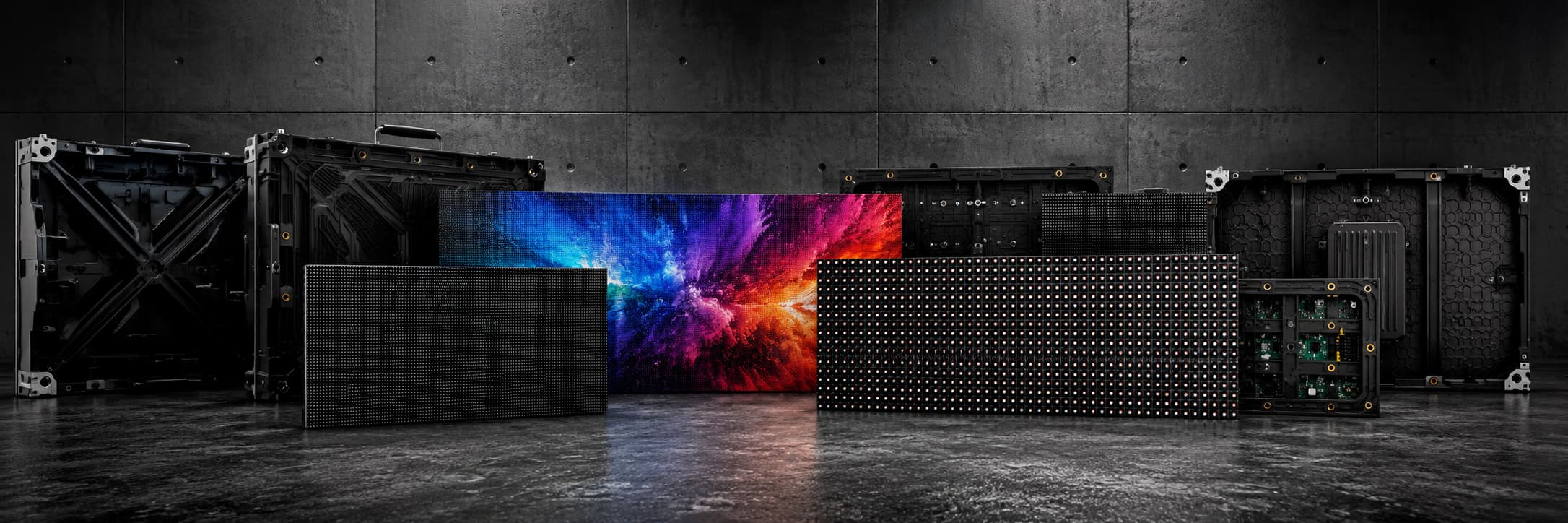
The COB structure reduces exposed lamp bead risk and supports safer routine cleaning.

Continuous operation exposes weaknesses in surface protection and maintenance planning.
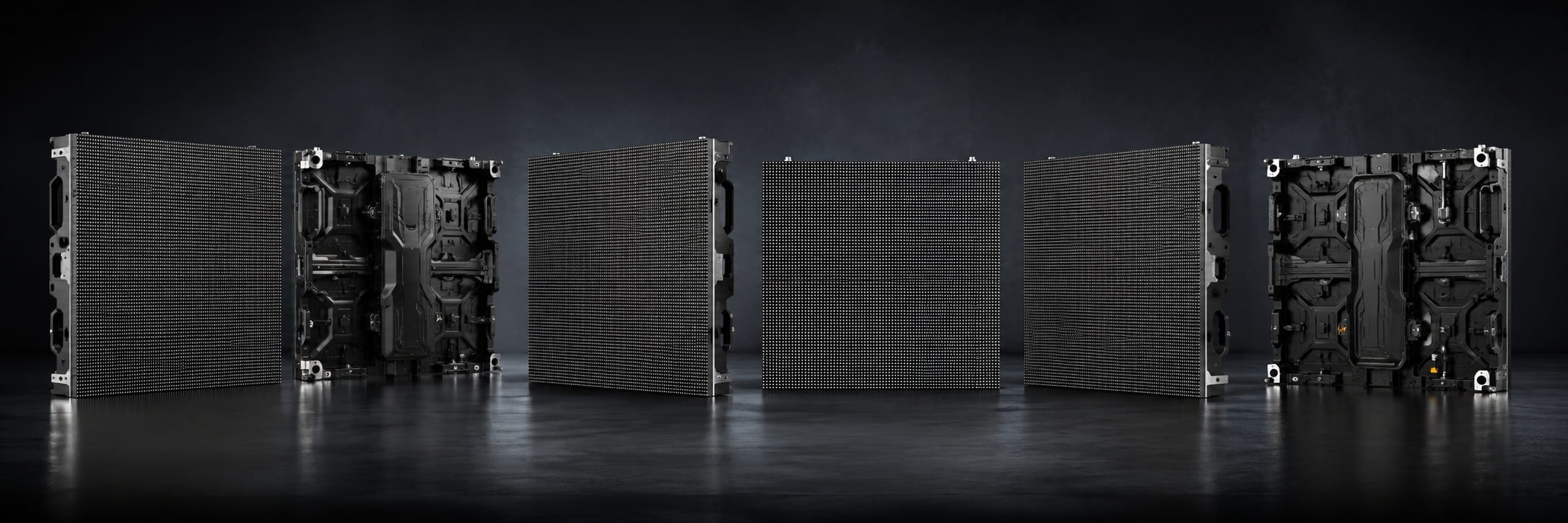
COB is built for daily indoor use where image detail, surface protection, cleaning, and uptime all affect the project result.

The table below summarizes the main technical differences, from package structure to maintenance needs, so the key trade-offs are easier to review before selecting a display series.
| Factor | Traditional LED Display | COB LED Display |
|---|---|---|
| Package Structure | Lamp-based Individual packaged lamps sit on the board surface. |
Chip-on-board LED chips are packaged directly on the board surface. |
| Close Viewing | More visible texture Pixel structure can be easier to see from short distance. |
Cleaner detail Better for small text, maps, dashboards, and camera feeds. |
| Surface Risk | More exposed Lamp beads need more care during cleaning and handling. |
More protected Reduced exposed lamp risk for daily operation. |
| Maintenance | Higher pressure Surface damage can create more service concerns. |
Lower pressure Better surface reliability supports long-use indoor spaces. |
| Best Use | General display Farther viewing distance and simple video playback. |
Demanding indoor use Control rooms, meeting rooms, studios, showrooms. |
These application examples show where close viewing, continuous operation, and clean image surfaces have a stronger effect on the final project result.
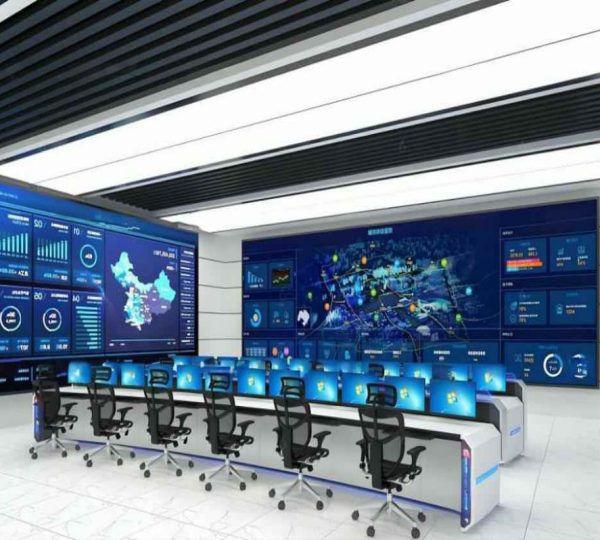
Maps, alarms, camera feeds, and data panels need clean close-viewing detail.
View fine-pitch case →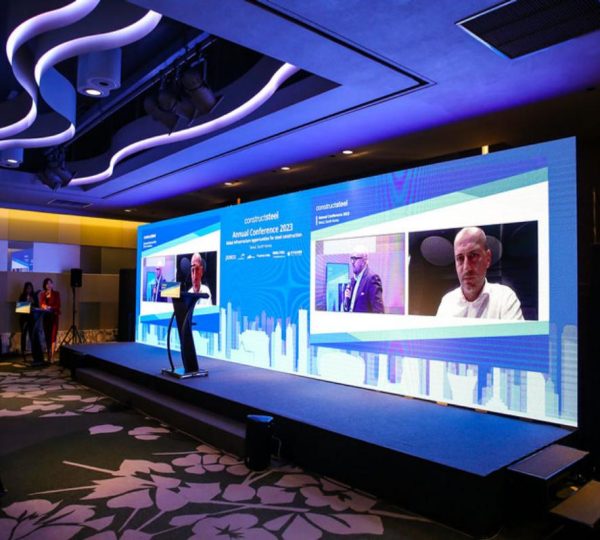
Slides, charts, and video calls look better when pixel texture is reduced.
View indoor display case →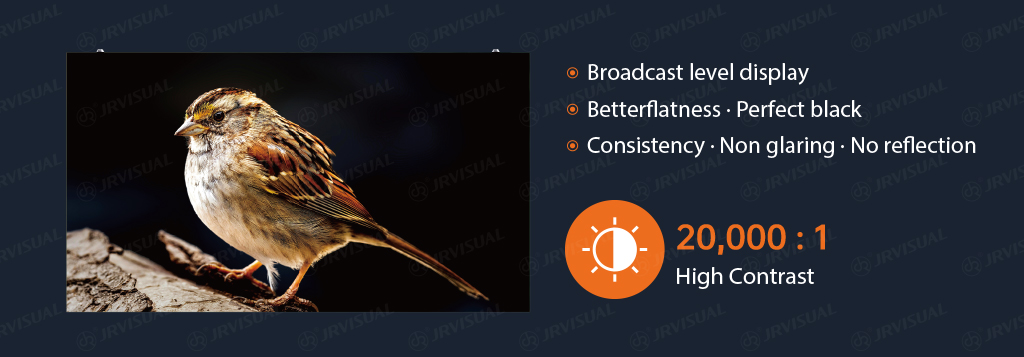
Smoother visual surfaces help screen backgrounds look more refined on camera.
View M-COB case →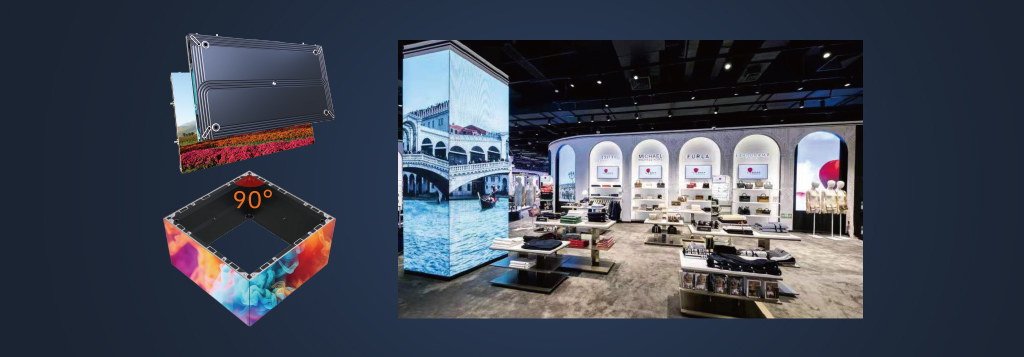
Visitors stand close, so image surface quality affects the space directly.
View showroom case →Fine-pitch COB configurations are commonly used in indoor projects that need short viewing distance, protected surfaces, easier cleaning, and stable daily operation. Pixel pitch, cabinet layout, and series selection should match room size, content type, and installation plan.
A better recommendation depends on viewing distance, screen size, installation location, and content type. These details help narrow the pixel pitch, cabinet layout, and display series.