
In vibrant spaces such as shopping mall atriums and concert stages, A Flexible LED Display is transforming visual experiences. These displays, often in dynamic forms such as cylindrical wraps or wave-shaped screens, create immersive environments that engage audiences from every angle. Unlike traditional LED screens, which are confined to rigid shapes, flexible LED displays offer designers the freedom to bend, curve, and shape their displays in ways previously thought impossible.
For years, display technology has been constrained by rigid materials, limiting creativity to flat or slightly curved surfaces. Flexible LED technology has overcome this barrier by using advanced materials, such as polyimide PCBs and silicone encapsulation, that combine flexibility with high optical performance. These displays not only offer brightness levels up to 8,000 nits for outdoor use but also maintain exceptional image clarity even on the most complex surfaces.
The Core Benefits of a Flexible LED Display
Rigid displays demand expensive, complex tweaks for minor curves. Flexible LED panels fit concave, convex, and cylindrical surfaces seamlessly, turning structural flaws into design strengths. For example, designers integrate curved flexible LED displays into modern skyscraper facades. The screens follow the building’s curves to create dynamic light shows that enhance the structure’s aesthetic appeal. A commercial tower serves as a notable example: it installed P4 P10 mm pitch flexible panels along a 50-meter curved facade, and the panels boast brightness ≥7,000 nits for clear visibility under direct sunlight. The panels’ ultra-thin 5-15mm profile allowed seamless integration with the building’s structure, avoiding the bulky framing required for traditional displays.
Extreme bends push the boundaries of curvature design, enabling applications once unimaginable. Specialized flexible LED modules can achieve bending angles of up to ±120°, making them suitable for spiral staircases, dome interiors, and even spherical installations.
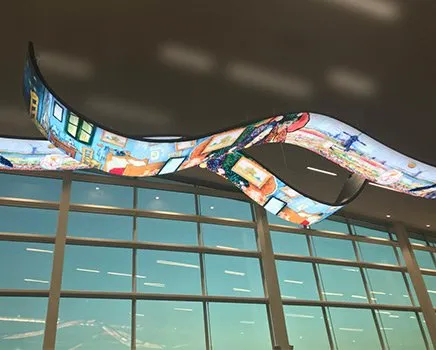
The perfect harmony with the architecture
One of the most impressive features of Flexible LED screens is their ability to integrate into architectural elements. These displays can be wrapped around pillars, suspended from ceilings, or embedded in walls, creating immersive environments previously impossible with traditional flat-panel displays. The panels’ flexibility allows designers to tailor the visual experience to the specific dimensions and shape of the installation space, resulting in seamless, fluid visuals.
Architects and designers can leverage these displays to create engaging visual stories, brand activations, and interactive installations that adapt to their surroundings. Flexible LED displays contribute to a cohesive design narrative, complementing the space’s flow rather than disrupting it. The ease with which the display can be curved or bent means it can fit into previously inaccessible areas, turning mundane architectural features into stunning visual focal points.
The Technology Behind LED Displays
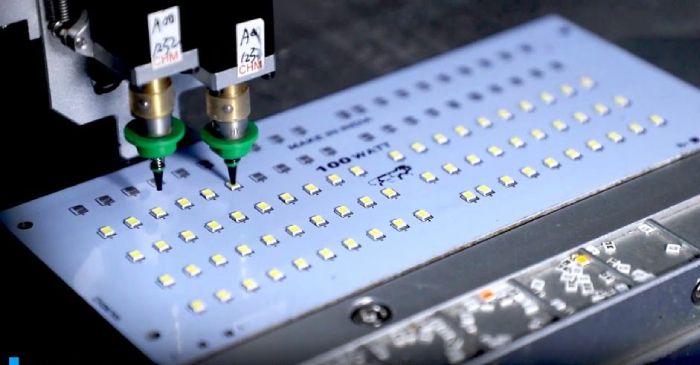
The technology behind Flexible LED Displays is what makes their unique form possible. Traditional LED panels use rigid PCBs, whereas flexible LEDs use flexible substrates such as polyimide or PET. These materials bend freely without harming display integrity. Material flexibility enables thin, lightweight panels that retain sharp resolution and top-tier image quality even when curved. We mount individual LED chips on flexible substrates and optimize circuit design to resist bending, preventing distortion or image loss. The display’s flexibility also allows it to withstand vibrations and physical stresses that would break traditional panels, boosting its lifespan and durability.
Flexible LED Display Design in Retail and Advertising
The Flexible LED Display has had a transformative impact on the retail and advertising industries. Brands shape these displays into custom forms to build standout advertising spaces. Businesses deploy flexible displays for dynamic signage in premium retail malls and shopping centers, integrating them into store designs to captivate customers with immersive visuals. Use the screens as curved interactive displays or wrap them around pillars for immersive digital spaces — they unlock endless branding and storytelling opportunities. Design the displays with modularity to build a cohesive, adaptable visual identity across locations, keeping a consistent dynamic look.
Customization and Creativity with Flexible LED Displays
Flexible LED displays’ creative potential lies in customizability to suit any space or visual goal. Think interactive gallery media walls or large-scale event displays — these panels’ flexibility allows almost any arrangement, transforming a venue’s look and feel. Use them for art installations, trade shows or branded content; they offer customization that rigid LED panels cannot match.
Designers can create fluid, organic shapes and structures that interact with the surrounding environment, incorporating the display as a functional design element rather than a separate technology. The panels’ flexibility enables intricate patterns, curves, and angles, adding a creative dimension to the visual storytelling. As a result, flexible LED displays allow brands and designers to push the boundaries of creativity and turn abstract ideas into concrete, visually stunning installations.
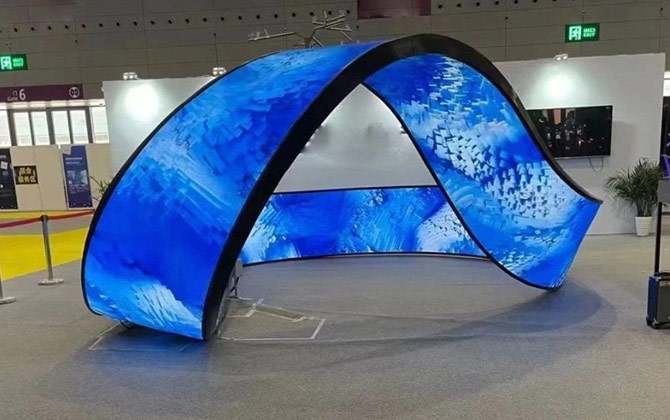
Unique form design in modern applications
Flexible LED displays outstandingly combine form and function. They enable designers and businesses to pursue innovative, creative possibilities that were previously unattainable. With seamless integration into unique architectural forms, dynamic visual experiences, and adaptability to diverse installation requirements, these displays redefine the benchmarks for digital signage, retail displays, and interactive environments.
In modern applications, flexible LED displays are increasingly being used; they are among the most resonant with audiences. You can shape, bend, and embed these displays into any space’s design. They serve as an information and entertainment medium and as an architectural aesthetic highlight. Technology keeps advancing, unlocking limitless creative applications. Flexible LED displays now lead the market as the most versatile and transformative display tech.