
Many customers easily choose the wrong type when purchasing indoor LED displays. They might choose a fixed display when they need to rent one, or a rental display when they need a fixed one, or completely ignore transparent displays. One Chicago company wasted $18,000 on a temporary product launch. Choosing the correct indoor LED display, whether fixed, rental, or transparent, is crucial—it’s about selecting a product that aligns with the display’s advantages based on your usage scenario, budget, and available space. Therefore, we will explain in detail how to make an informed choice, ensuring your investment delivers visibility, flexibility, and value.
The Core Types of Indoor LED Display—Fixed, Rental, and Transparent
Each type of indoor LED display is engineered for specific needs. Each option has a unique purpose, and mixing them can lead to numerous inconveniences:
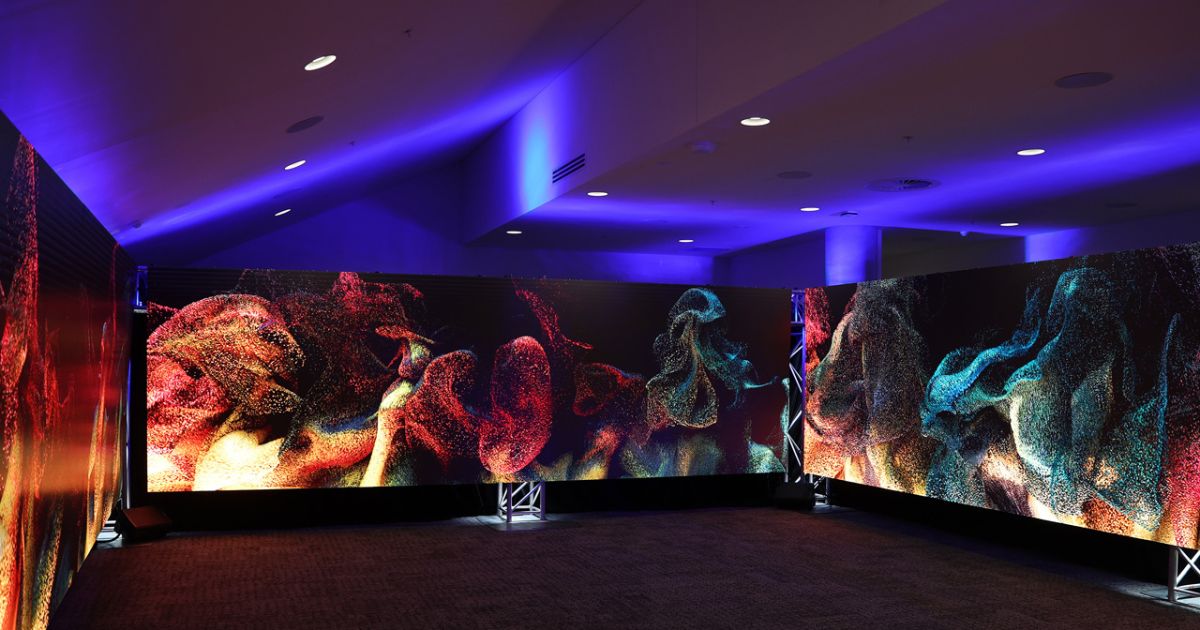
Fixed Indoor LED Displays: Permanent installations designed for long-term use (5+ years). You can mount them on walls, ceilings, or floors, and designers optimize them for locations such as corporate lobbies, control rooms, or retail backdrops to ensure stable performance. Fixed displays prioritize durability and image quality over portability.
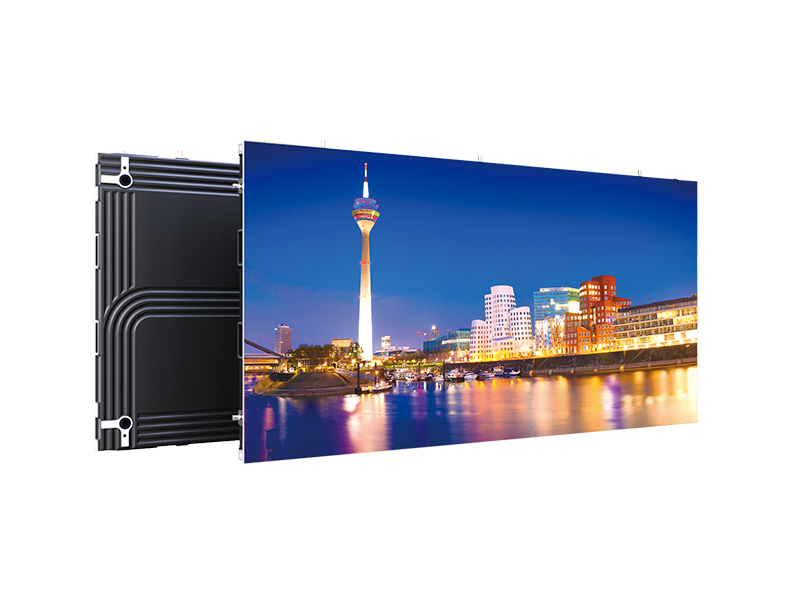
Rental Indoor LED Displays: Modular, portable solutions designed for temporary events such as conferences, trade shows, and concerts. They feature lightweight, stackable panels for quick assembly and disassembly, making them easy to transport and store. Rental displays prioritize ease of installation, flexibility, and durability to meet the demands of frequent use.
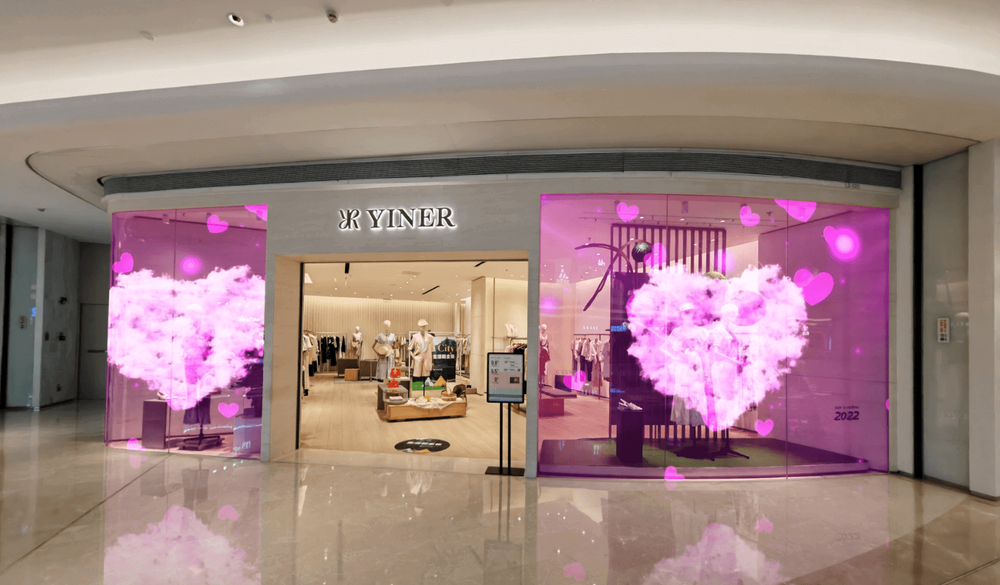
Transparent Indoor LED Displays: This is a semi-transparent panel that blends seamlessly with its surroundings, making it ideal for glass walls, storefronts, or lobbies. It displays content without obstructing natural light or views. Furthermore, it uses LED chips with extremely fine spacing, allowing light to pass through them and creating a “floating” effect.
When to Use Fixed Indoor LED Displays?
Fixed indoor LED displays are the most suitable solution for a permanent, high-performance display in your owned or long-term occupied space.
Fixed displays can serve as a 24/7 branding platform for showcasing company videos, customer testimonials, or real-time data. For example, some technology companies install a 10-foot-by-6-foot fixed indoor LED display in their lobbies to display company news and updates. Additionally, locations such as security control rooms or data centers require 24/7 reliability and clear image quality for real-time monitoring. Fixed displays offer high brightness (1,000-1,500 nits) and a narrow pixel pitch (P1.2-P2.5), delivering a clear and detailed visual effect.
Furthermore, some department stores or specialty stores use fixed displays as permanent in-store signage, playing product-related videos. These displays feature a sealed design to prevent dust and wear from foot traffic. When selecting fixed displays, prioritize pixel pitch, brightness, and warranty period.
When is renting suitable?
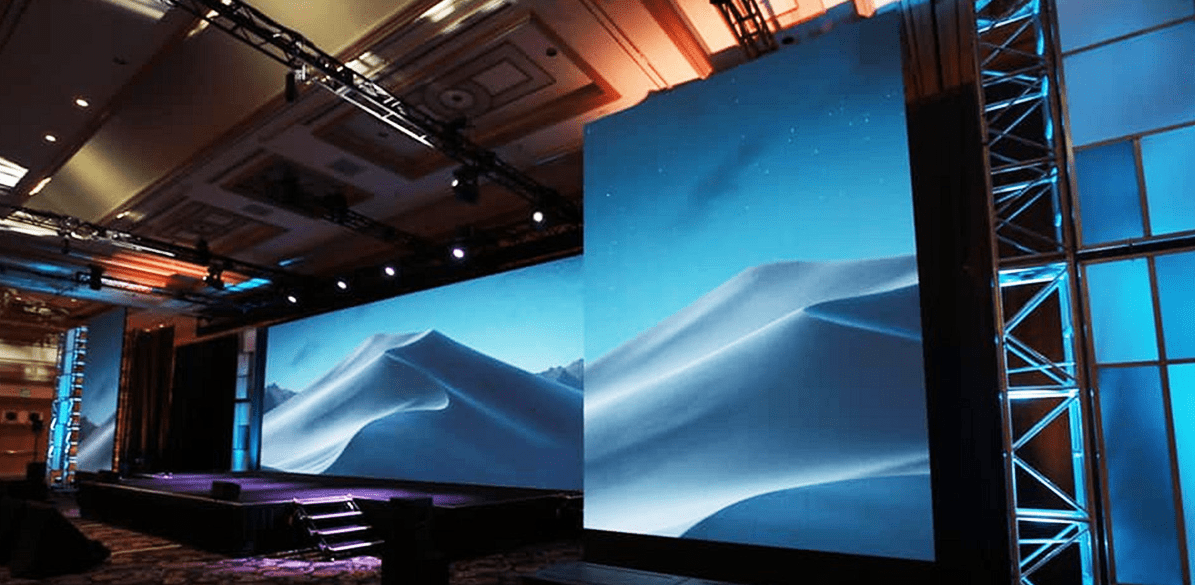
If you are hosting a temporary event, require flexibility, or cannot afford a permanent installation, renting an indoor LED display is your best option. Booth displays, stage backdrops, or audience-facing screens require quick setup and easy transport. You can stack rental panels (typically 500×500 mm or 500×1000 mm) like Lego bricks, and two people can assemble a 12ft x 8ft stage backdrop in just 2–3 hours. We often see touring musicians and event organizers using rented LED displays to create dynamic stage visuals. These displays are robust (shock-resistant) and lightweight, making them easy to load and transport.
Even at pop-up stores, product launches, or festival events, there’s no need for fixed displays. Renting an indoor LED display allows you to create stunning visuals for a short period (a week or a month), after which it can be returned without any storage hassle. When purchasing, consider the following factors: weight (lighter products are easier to transport), installation time (select products that can be assembled without the need for tools), and modular design (panels are compatible with other configurations). Short-term rental of indoor LED displays can save you on storage and installation costs.
What scenarios are suitable for transparent indoor LED displays?
If you want to display content without obstructing light, views, or architectural features, then a transparent indoor LED display is your best choice. It can bring a significant change to the following scenarios:
In some retail stores, when you install a transparent indoor LED display on the storefront glass, you can play product videos during business hours, allowing passersby to see the products inside the store. Some glass-walled offices utilize transparent displays to showcase company events or meeting schedules without creating a sense of enclosure. Meanwhile, in museums and art galleries, transparent displays can overlay information onto glass showcases or walls, enhancing the display without obstructing the exhibits themselves. Therefore, when purchasing, pay attention to transparency (85%–95% ensures an unobstructed view), pixel pitch (P2.5–P4.0 ensures clear visibility from the street), and the installation method.
Key Factors to Avoid Making the Wrong Indoor LED Display Selection
Choosing the correct indoor LED display—fixed, rental, or transparent—requires asking yourself four key questions. Ignoring these questions will result in an unsuitable indoor LED display solution.
1. What is the installation period? First, decide whether it’s permanent (fixed) or temporary (rental). A 6-month temporary booth requires rental; a 5-year office lease requires permanent installation.
2. What is the viewing distance? Close-up viewing (lobby, storefront) requires a smaller pixel pitch (P1.2-P2.5); long-distance viewing (concert stage) can use a larger pixel pitch (P3.9-P5.0).
3. What is the lighting like in the space? Bright lobbies or areas near windows require higher brightness levels (1000-1500 nits); dimly lit control rooms can use lower levels (500-800 nits).
4. Do you need to save space/view? If you don’t want to block light or view, transparent fixtures are ideal. If space is limited, you can rely on the modular design of rental fixtures or the slim design of fixed fixtures to meet your needs.
Select options that suit your space, goals, and schedule.
Choosing the correct indoor LED display—whether fixed, rental, or transparent—is not about selecting the “best” type, but rather about choosing the one that best suits your needs. Fixed displays excel in long-term, high-performance applications; rental displays are suitable for temporary, flexible events; transparent displays can transform glass into a content-rich space. When purchasing, pay attention to the installation length, viewing distance, light intensity, and space requirements to avoid purchasing items that are irrelevant to your needs.