
Transparent LED Display vs. Traditional Screens
Unlike traditional LED displays with opaque backplanes, transparent LED displays use transparent circuit technology, featuring ultra-thin substrates and sparse-pixel arrangements that eliminate light-blocking issues.
Synonyms like transparent LED panel, see-through LED screen, and glass-mounted LED display highlight the core feature of transparency. Unlike traditional LED screens that block natural light, transparent LED displays attach directly to glass surfaces with 80%-95% light transmittance, preserving natural light flow.
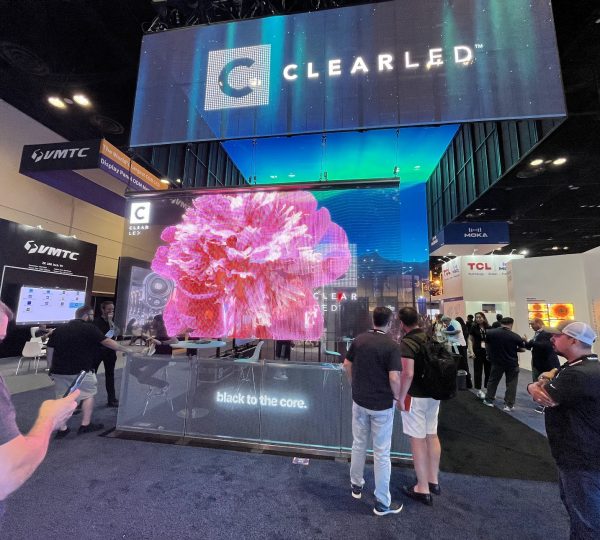
Impact of See-Through LED Displays on Natural Light
The primary factor affecting natural light is the LED display’s light transmittance. With a transmittance rate of 85%-95%, these displays allow over 80% of natural light to pass through, maintaining near-identical light intensity indoors, even while operating.
Common Scenarios for Transparent LED Displays and Light Impact
Transparent LED displays have minimal impact on natural light, offering a versatile solution in various settings:
- Retail Storefronts: Transparent displays attract customers while maintaining natural light flow. They allow customers inside to enjoy daylight and outdoor views, while passersby can see both the products and advertisements.
- Office Lobbies & Partitions: Transparent LED displays on glass partitions maintain a light-filled environment, boosting productivity and reducing fatigue. They also serve as corporate signage without blocking natural light in the office lobby or large office spaces.
- Building Facades: On shopping malls, hotels, and office buildings, these displays serve as dynamic advertisements while remaining clear glass during the day, preserving building aesthetics and energy efficiency by allowing maximum natural light to enter.
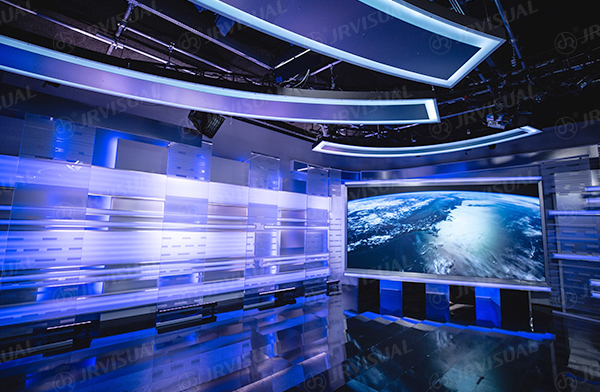
Choosing Transparent LED Displays for Light-Sensitive Spaces
When selecting a transparent LED display for light-sensitive spaces like museums, art galleries, or sunlit offices, consider the following:
- High Transparency: Choose displays with a light transmittance rate above 85%, ideally 90% or higher, for spaces that require maximum preservation of natural light, such as art galleries.
- Resolution & Transparency Balance: For long-distance viewing (facades, malls), opt for 3mm-6mm pixel pitch. For closer views (indoor partitions, storefronts), a 1.5mm-3mm pitch keeps transmittance above 80%.
- Energy Efficiency & Heat Dissipation: Select energy-efficient models with good heat dissipation to reduce operating costs and prevent heat from affecting light perception. Low-power LEDs and automatic brightness adjustment are key features to look for.
Future Tech Advancements in Light Management
As display technology evolves, transparent LED displays continue to improve in light transmittance, energy efficiency, and flexibility. Future models will introduce more adaptive light management technologies.
Adaptive transparency technology adjusts transmittance based on light conditions, maximizing it in bright light for better penetration and reducing it in dim light for optimal display. UV protection in the substrate filters harmful rays, safeguarding furnishings and exhibits while maintaining high transmittance.
The development of flexible, see-through LED panels enables use on curved glass facades and irregular storefronts without compromising transmittance. With cost reductions and technical advancements, these screens will become increasingly popular, making light-friendly digital signage the standard.
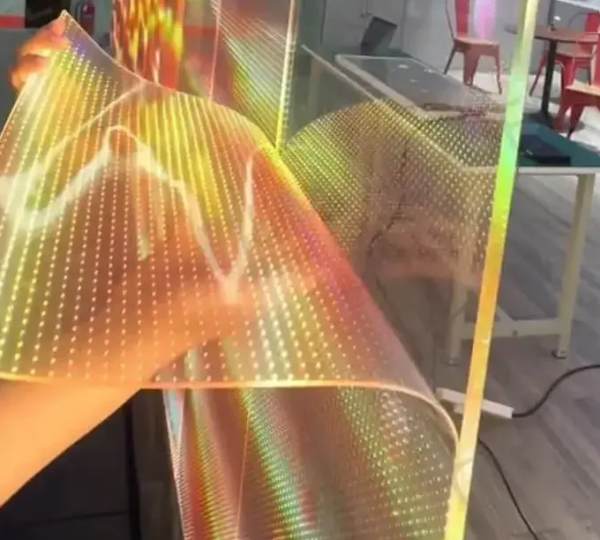
Transparent LED displays do not significantly block natural light. On the contrary, their high light transmittance and excellent luminous efficacy meet the needs of digital signage and architectural visualization while maximizing the use of natural light.
Project owners and designers should choose transparent LED displays based on real project needs, focusing on light transmittance, pixel pitch, and overall performance. As the technology continues to improve, these displays are becoming a practical choice for maintaining natural light while upgrading modern spaces.