
Whether it’s the external display screens in shopping malls or the electronic screens in train stations, they all rely on a small yet crucial component: the LED module. Often imperceptible, it determines image clarity, screen stability, and daily energy efficiency. As expectations for visual quality and reliability continue to rise, the role of the LED module becomes increasingly central.
The future is not driven by stunning visual effects, but by steady and pragmatic progress. More refined pixel structures and greater consistency lead to greater clarity. More innovative designs lead to easier integration, monitoring, and maintenance. Environmental considerations influence materials, energy consumption, and lifespan. All these developments are collectively shaping the LED module, making it a more refined, reliable, and forward-thinking structure.
Higher-Definition LED Module Development and Image Precision
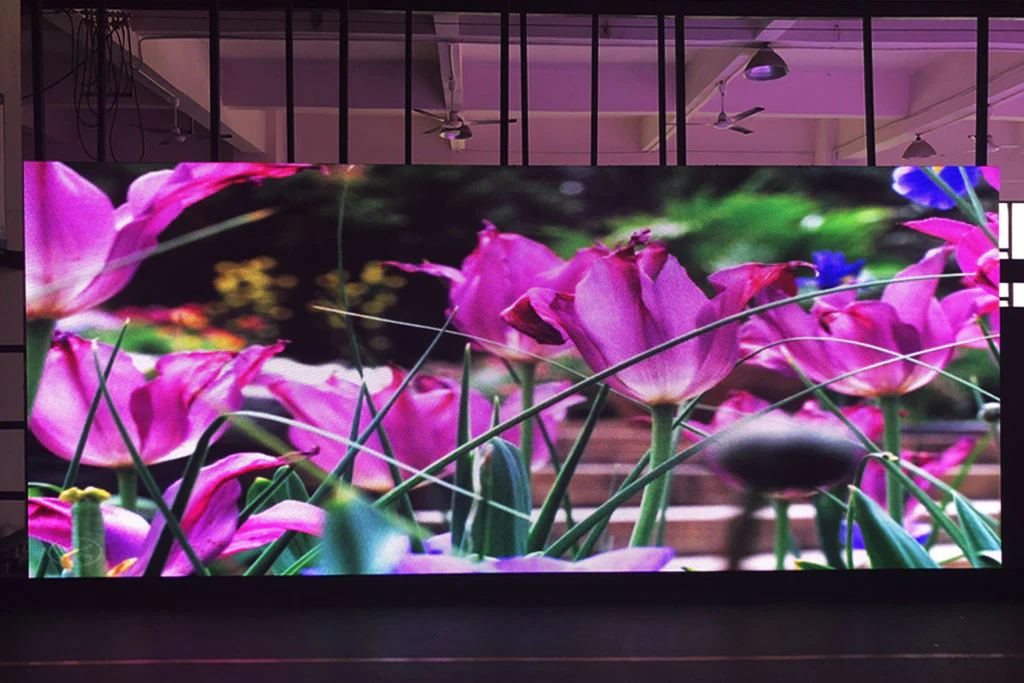
Higher-definition LED displays begin at the module level. As pixel pitch continues to decrease, the LED module must deliver greater precision without sacrificing stability. This requires careful LED alignment, accurate current control, and consistent optical performance across every unit. When executed well, the result is a display that maintains clarity even at close viewing distances, where imperfections are easiest to detect.
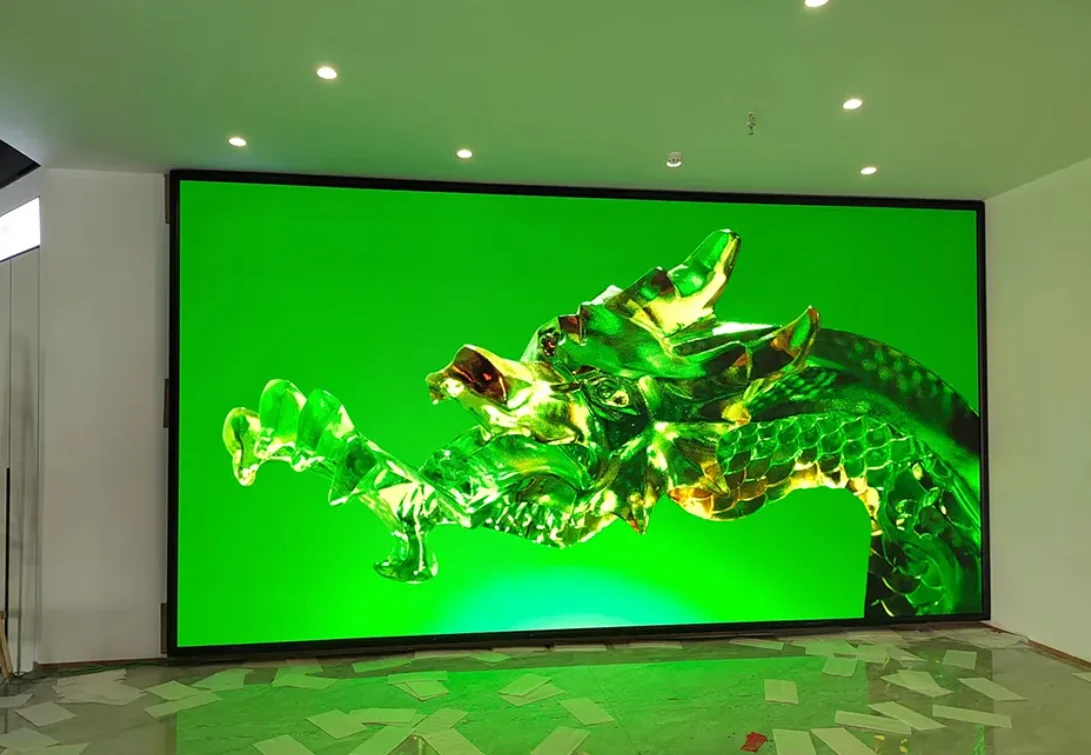
Equally important is uniformity. Modern LED modules are designed with tighter manufacturing tolerances to ensure consistent brightness and color across modules. Improved calibration processes reduce visible seams and color variation, allowing multiple modules to behave as a single, seamless surface. This consistency is essential in applications such as broadcast studios, corporate lobbies, and command centers, where visual accuracy supports trust and comprehension.
Higher definition will not rely solely on smaller pixels. It will also depend on how effectively modules manage contrast, grayscale, and viewing comfort. LED modules that deliver refined detail without excessive brightness will support displays that are both impressive and easy to view, reinforcing their suitability for long-term indoor and outdoor use.
Material Refinement and Structural Stability
As image expectations rise, so do requirements for mechanical and thermal stability. The structure of the LED module plays a critical role in maintaining performance over time. Advances in substrate materials and frame design help modules remain flat and stable, even under temperature variation or prolonged operation. This structural reliability directly supports image consistency and reduces maintenance needs.
Thermal management is another critical factor. Efficient heat dissipation protects LEDs and driving components, preserving brightness and color accuracy. Modern module designs distribute heat more evenly, reducing stress on individual components. This contributes to longer service life and more predictable performance, particularly in demanding environments such as outdoor installations or high-brightness indoor applications.
These refinements reflect a broader trend toward durability. LED modules are no longer treated as short-term consumables but as robust components designed for extended use. By combining material quality with thoughtful structural design, manufacturers ensure displays perform reliably in real-world conditions.
More innovative LED Module Integration and Intelligent Control
Intelligence Control at the LED module level is becoming increasingly crucial as LED displays grow in scale and complexity. More innovative LED modules incorporate features that support easier control, monitoring, and troubleshooting. Integrated data interfaces allow modules to communicate status information, such as temperature and power condition, to the overall display system.
This level of awareness improves reliability. When irregular conditions are detected early, corrective action can be taken before visible issues occur. For operators, this means fewer unexpected interruptions and more predictable operation. In large installations, innovative modules simplify maintenance by helping technicians identify the exact location of a fault without extensive manual inspection.
In future development, intelligence will continue to focus on usability rather than complexity. The goal is to make LED modules more self-managing and cooperative within the display, reducing the need for constant oversight. As displays become more interconnected, clever module design will support smoother integration and long-term stability.
Installation Efficiency and Maintenance Practicality
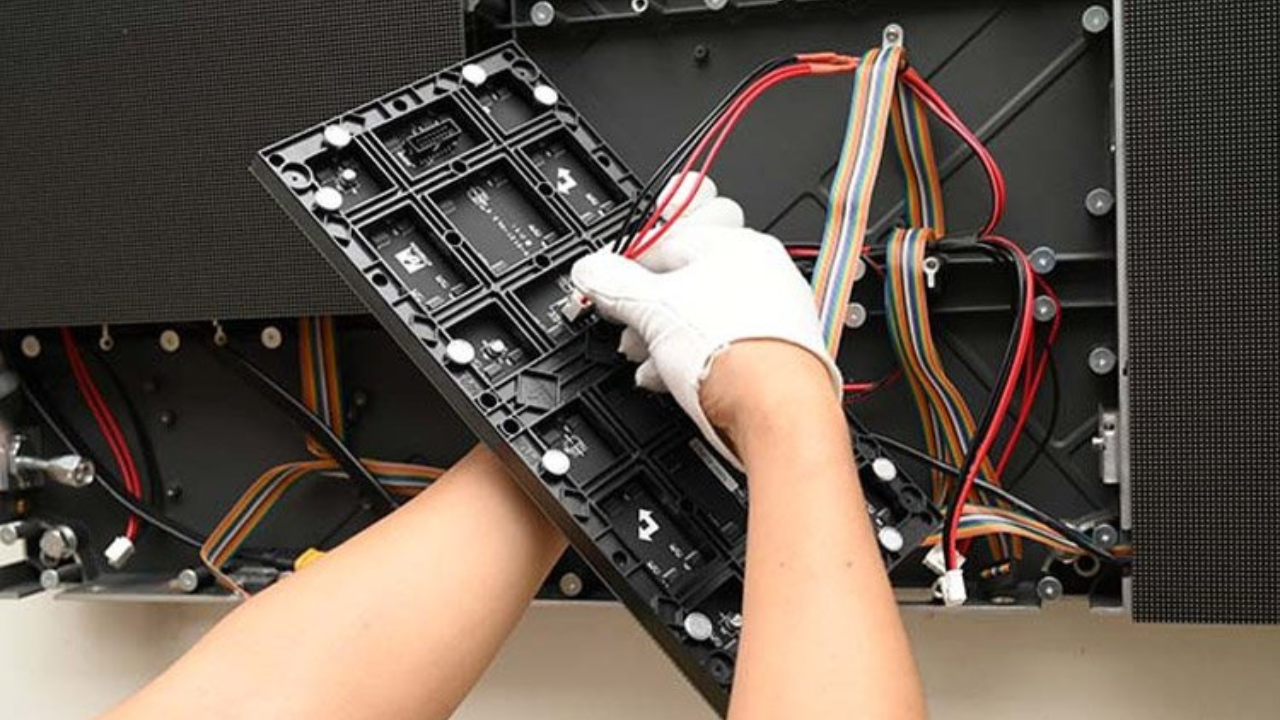
Ease of installation and maintenance has become a defining factor in LED module development. As displays are deployed in more diverse environments, from retail interiors to transportation infrastructure, modules must support quick assembly and straightforward servicing. Standardized dimensions and connectors help reduce installation time and minimize errors.
Front-access designs are particularly valuable in space-limited environments. By allowing maintenance from the viewing side, LED modules reduce the need for rear clearance and structural modification. This flexibility expands the range of locations where LED displays can be installed, making them viable in areas once considered impractical.
Over time, practical design choices like these lower operational burden. Technicians spend less time accessing and replacing modules, and displays return to regular operation more quickly. This emphasis on practicality reflects an understanding that performance must be supported by efficient day-to-day handling.
Environmentally Friendly LED Module Design and Efficiency
Environmental considerations are increasingly shaping LED module development. Energy efficiency begins with an optimized electrical design, ensuring that power is used effectively to produce light rather than being wasted as heat. Improved driver components and refined circuit layouts contribute to lower consumption while maintaining stable brightness.
Material selection also plays a role. Durable components extend service life, reducing the frequency of replacement and associated waste. Modular construction supports targeted repair, allowing individual modules to be replaced without discarding larger sections of the display. These practices help reduce material use over time and align with broader sustainability expectations.
Environmental responsibility in LED module design is closely tied to reliability. Efficient, long-lasting modules not only consume fewer resources but also deliver consistent performance. This balance supports displays that meet both operational and environmental expectations without compromise.
Supporting Diverse Applications and Future Scalability
As LED modules become more refined, their adaptability supports a broader range of applications. Fine-pitch modules enable close-up viewing for indoor displays, while robust designs support outdoor and semi-outdoor use. This versatility allows manufacturers and integrators to address diverse project requirements with a consistent technological foundation.
Scalability is another important aspect. Modular consistency allows displays to be expanded or reconfigured with minimal disruption. Whether adding screen area or adjusting resolution, compatible modules ensure visual continuity. This flexibility is especially valuable in evolving environments such as exhibition spaces or public venues.
The Future Direction of the LED Module
The future development of the LED module is defined by steady refinement rather than dramatic reinvention. Higher definition enhances visual clarity and comfort. More innovative integration supports reliable operation and simpler maintenance. Environmentally friendly design aligns performance with responsible resource use. Together, these qualities strengthen the foundation of modern LED displays.
From extensive experience in LED manufacturing, it is clear that progress at the module level directly impacts overall display quality. When modules are precise, intelligent, and durable, the entire display benefits. As expectations continue to rise, the LED module will remain a quiet but essential contributor to visual excellence.
In this role, it supports not only brighter images, but also confidence—confidence that the display will perform as intended, integrate smoothly, and endure in real-world conditions. That confidence defines the lasting value of future-ready LED modules.