
For retail and advertising, this directly translates into higher foot traffic and greater conversion potential. In the context of exhibitions and art installations, Kinetic LED Screens deliver sensory experiences beyond the reach of traditional screens. In corporate environments, they instantly showcase technological leadership and innovation. Imagine a screen that not only displays content but also moves with it, reshaping space and creating realistic 3D depth through motion. This is the allure of a Kinetic LED Screen. It introduces controllable mechanical motion into the visual system, enabling LED modules to rise, fall, move, and form dynamic 3D structures in real time. This technology, which blends robotics, precision mechanics, and high-resolution LED imaging, is redefining how brands, architects, and artists communicate visually. Let’s explore the true meaning and working principles of Kinetic LED Screens!
Definition of Kinetic LED Screen: From Flat Displays to 3D Dynamic Architectures
A Kinetic LED Screen is a display system in which individual LED modules are mounted on electrically driven motion units. These modules can move vertically, horizontally, or in multi-axis modes while playing synchronised visual content. The final result is an actual physical 3D display, not just a video-simulated depth effect.
Traditional LED displays rely on pixels, brightness, and contrast to create visual impact. 3D Kinetic LED Screens, however, use mechanical motion as a core visual element, enabling content to alter the display surface physically. Waves, ripples, expansion, collapse, and sculptural forms all become part of the narrative language.
This shift transforms LED displays from passive visual tools into active spatial structures. Brand flagship stores, luxury retail stores, immersive exhibitions, digital art installations, corporate lobbies, and high-end entertainment venues now widely adopt Kinetic LED Screens. They are no longer merely “displaying” content—they “perform” content in space.
Its Core Technology: How Robotics is Changing Display Logic
The technological foundation of Kinetic LED Screens lies in the tight integration of LED imaging, precision mechanics, motion control, and intelligent software. Each LED module is connected to a motor-driven motion actuator, which is monitored by sensors. These motors respond to control commands in real time, enabling thousands of pixels to move synchronously and precisely.
Compared to traditional LED displays based on fixed steel frames and static cabinet structures, 3D Kinetic LED Screens are more like a robotic system. Motion controllers, encoders, and feedback loops ensure positioning accuracy, while a software engine synchronises video playback with mechanical motion.
This robotic architecture changes the logic of display design in three ways: from surface to three-dimensional, from fixed to dynamic, and from image to experience. This is why industry professionals often describe Kinetic LED technology as a fusion of display engineering and robotics engineering—one that opens up an entirely new field for the LED industry.
Changing the Visual Impact on Viewers
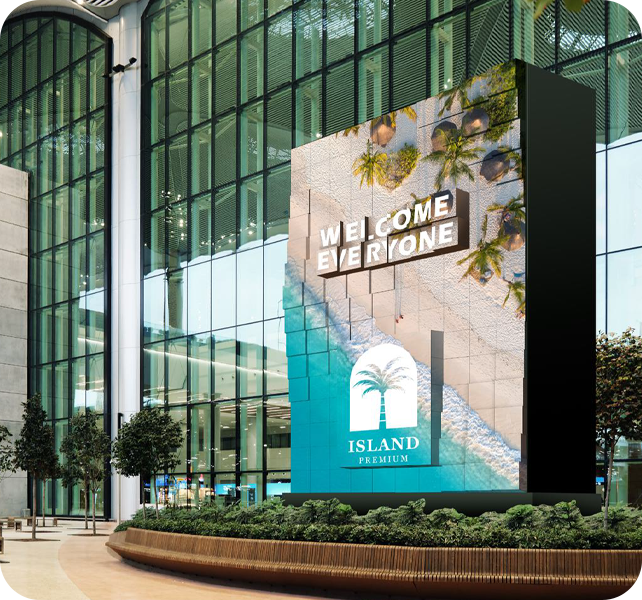
The most significant difference between traditional screens and Kinetic LED Screens lies in how viewers perceive depth, motion, and realism. Flat LED displays can simulate 3D effects through perspective and shadows, while 3D Kinetic LED Screen creates realistic physical depth through motion.
As LED modules move through space, shadows change dynamically, reflections move naturally, and visual layers are physically separated. The human eye immediately recognises this as absolute motion, not merely an illusion on a screen. Therefore, viewers experience greater visual immersion and longer attention spans, thereby enhancing brand recall.
For retail and advertising, this directly translates into higher foot traffic and greater conversion potential. In the context of exhibitions and art installations, Kinetic LED Screens deliver sensory experiences beyond the reach of traditional screens. In corporate environments, they instantly showcase technological leadership and innovation.
Kinetic LED Screen Structural Design: The Importance of Modular Engineering
Behind the visual magic of Kinetic LED Screens lies a highly engineered modular structure. Unlike monolithic fixed screens, dynamic systems rely on standardised motion units that work together to form a coordinated mechanical matrix.
Modular design brings numerous decisive advantages to 3D Kinetic LED Screens. The display can be expanded horizontally and vertically without redesigning the core system. Secondly, factory-calibrated modules ensure consistent motion accuracy throughout the display. The die-cast aluminium housing maintains excellent screen flatness even during repeated motion. Individual motion units and LED modules can be replaced without disassembling the entire system.
These technologies ultimately create Kinetic LED Screen platforms that combine structural reliability with creative flexibility, a crucial combination for both permanent and semi-permanent projects.
From Novelty to Commercial Evolution
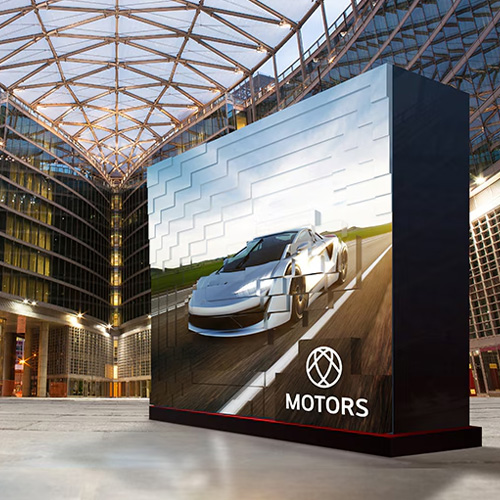
When Kinetic LED technology first entered the market, the industry primarily viewed it as a high-end novelty product for museums and experimental art projects. Today, Kinetic LED Screens have evolved into practical commercial solutions across multiple industries.
At exhibitions and trade shows, they create memorable visual landmarks that attract visitors from all exhibition halls. Within businesses, they convey technological strength and innovation. In entertainment and stage design, they enable dynamic backgrounds that change in real time with music and performances.
Driving Kinetic LED Screens from novelty to standard is not only due to their visual impact, but also the maturity of engineering technology, cost stability, and improved long-term reliability. Modern 3D Kinetic LED Screen is no longer an experimental device, but an industrial-grade display system designed for continuous commercial operation.
Operation and Maintenance Designed for Long-Term Stability
A common concern for customers considering Kinetic LED Screens is whether dynamic effects will increase maintenance complexity or operational risks. From an engineering perspective, engineers design modern Kinetic LED systems for long-term, stable commercial use—provided technicians follow proper maintenance procedures.
Today’s 3D Kinetic LED Screen features closed-loop motor control for precise positioning. It uses industrial-grade guide rails for smooth operation and offers convenient rear maintenance access for quick component replacement. Routine maintenance typically includes mechanical checks, electronic diagnostics, and software verification.
Thanks to the system’s modular design, technicians can perform most maintenance without interrupting the display’s overall operation.With professional maintenance plans and standardised operating procedures, Kinetic LED Screens maintain high motion accuracy, low failure rates, and stable image quality over years of use.
How Kinetic LED Screen Is Redefining the Future of Display Technology
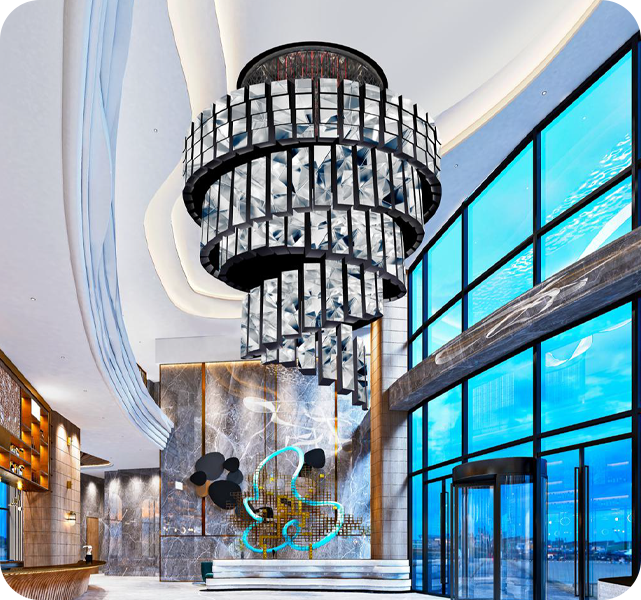
The significance of Kinetic LED Screen extends far beyond a single product category. It represents a structural shift in display technology, where dynamic effects are as crucial as resolution and brightness.In the future, we may see a deeper integration of Kinetic LED Screen with artificial intelligence.In this context, 3D Kinetic LED Screen is more than just an upgrade to LED screen—it’s redefining the very concept of “display.” Displays will no longer be limited to information sharing. Instead, they’ll evolve into dynamic spatial interfaces that adapt to their environment, move, and interact with people and architecture.For early-stage brands and developers, Kinetic LED technology offers more than visual novelty. It provides a platform for next-generation digital experiences that traditional flat-panel displays can’t match.