
A power grid monitoring and control room, operating an SMD LED display 24/7, suddenly flickered and went out at 2 AM. The cause was dust stirred up by a storm seeping into the display’s exposed LED chips, causing a short circuit. Technicians restored the system 12 hours later. Whether it is a power grid, traffic management, or data center control room, none can afford the consequences of a display failure. Especially in monitoring centers, 68% of unplanned downtime stems from display problems, most commonly caused by dust, impact damage, or overheating. COB LED display address these issues by design. Unlike SMD panels, COB displays encapsulate hundreds of LED chips on a single ceramic substrate. This creates a seamless, protected surface that resists scratches, dust, and impacts. Compared to SMD displays, COB displays offer 25% better heat dissipation, maintaining low operating temperatures even under continuous operation.
COB LED Display for Monitoring and Control Rooms: Core Design
The most significant difference between SMD and COB LED displays lies in how the LEDs are installed. This difference determines whether they can operate reliably around the clock. SMD displays use tiny, individual LED chips mounted on plastic circuit boards, leaving gaps between them and exposing the chips. In contrast, COB LED displays integrate 50-100 LED chips onto a single ceramic substrate, then protect the entire array with epoxy resin.
This ceramic substrate is the unsung hero of the control room. Ceramic is non-conductive, heat-resistant, and much stronger than plastic. It ensures damage-resistant installation and transportation for the control room center, where SMD LEDs often break during installation or transport. COB’s encapsulation design protects the chips. Furthermore, the seamless design of COB displays eliminates the tiny gaps on SMD displays that easily accumulate dust, oil, or moisture. It also provides uniform light output, as the COB chip cluster distributes light evenly across the screen.
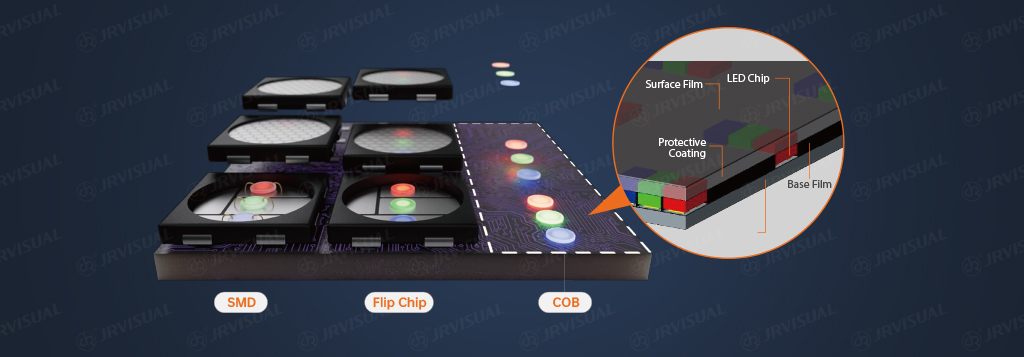
COB LED displays are highly durable, reducing maintenance costs by over 30% around the clock
Unexpected maintenance by the control room team can consume valuable technician time, diverting them from critical tasks and potentially causing system downtime. SMD LED displays require regular maintenance: cleaning dust from exposed chips, replacing burnt-out LEDs, and repairing loose connections. COB LED displays, with their robust and durable design, reduce this workload by 30% or more.
The epoxy resin top layer of a COB LED display has a hardness of 3H, sufficient to resist scratches from tools, cloths, or accidental impacts. Furthermore, the clustered arrangement of chips in these LED displays ensures even heat dissipation, preventing individual LEDs from overheating. SMD LEDs have a lifespan 2-3 times longer than COBs because individual chips are prone to overheating. The average lifespan of a COB LED display is 100,000 hours.
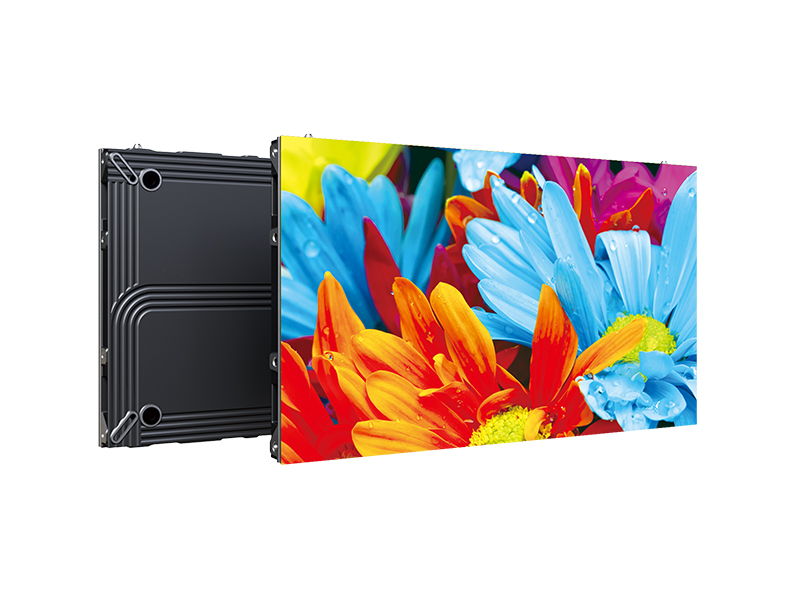
Heat Dissipation – The Lifeline for 24/7 Operation
Control room environments are very hot. Servers, computers, and lighting equipment all generate heat, and displays operating 24/7 further increase this. Overheating is a leading cause of display failure – SMD panels typically shut down when internal temperatures reach 131°F (55°C). COB LED displays avoid this problem with 25% higher heat dissipation efficiency than SMD displays.
The design principle is as follows: The ceramic substrate in a COB LED display acts as a built-in heat sink. Unlike plastic SMD boards, which tend to accumulate heat, the ceramic substrate conducts heat away from the LED chips and distributes it evenly across the entire panel. The epoxy resin layer also helps release heat into the air, rather than allowing it to accumulate. This higher heat dissipation efficiency also extends the display’s lifespan. For every 18°F (10°C) increase in operating temperature, the lifespan of an LED decreases by 50%. COB LED screens, thanks to their superior heat dissipation, avoid premature wear, helping you avoid replacing the entire device years earlier.
Delivering the Superior Image Quality Needed in Monitoring and Control Centers
Control room displays not only need to be reliable but also highly legible. Operators need to track minute changes in text. COB LED display offer superior image quality compared to SMD displays, meeting 24/7 monitoring needs, thanks to three key characteristics:
1. High Contrast
The seamless design of COB eliminates the “grid effect” (visible gaps) common in SMD LED displays, significantly improving contrast. Our COB screens boast a 5,000:1 contrast ratio, meaning dark areas remain deep blacks and bright alarms are clearly visible.
2. Wide Viewing Angle
Control room operators typically need to operate within a 180-degree field of view around the display. SMD displays lose brightness and color when viewed off-center. COB LED displays maintain consistent image quality across a 178-degree viewing angle—so even the operator on the far left sees the same clear image as the operator directly in front.
3. Flicker-Free Performance
SMD displays can sometimes flicker at low brightness—a problem for operators who need to stare at the screen for 12 consecutive hours. COB LED screens use DC dimming to regulate brightness, thus avoiding flicker.
Maximize Your Control Room Investment
If you already own a COB LED display, the following best practices will ensure maximum reliability and lifespan.
The sealed surface of a COB only needs cleaning once a month: use a soft, lint-free cloth and a mild glass cleaner. Never use a pressure washer or abrasive sponges, as they will scratch the resin. Additionally, most COB LED screens have built-in temperature sensors. Set an alarm for temperatures above 122°F (50°C)—this lets you address issues before airflow problems cause damage.
Over time, LED brightness may vary slightly. Annual calibration ensures uniform light output. This takes 1-2 hours and costs between $200 and $500. Furthermore, some manufacturers release firmware updates to improve heat dissipation and fix minor bugs. It is recommended to check for updates quarterly to ensure the display always performs optimally.
LED Display Solutions for 24/7 Control Room Monitoring
Control rooms require robust, well-ventilated, and high-resolution displays that operate 24/7, 365 days a year. COB LED displays, with their ceramic substrate design, sealed surfaces, and efficient heat dissipation structure, perfectly meet these three requirements. They reduce maintenance costs by over 30%, eliminate downtime, and provide the image quality required for operator safety.