
Spherical LED displays can engage viewers longer than static or flat screens, which can limit creative interaction. This is because flat LED screens restrict viewers to a single, front-facing sweet spot, potentially accommodating only two or three people at a time without obstructing others, and the content appears disconnected from the surrounding space. This is a critical drawback for brands, museums, or event planners striving to create engaging experiences. Spherical LED display, on the other hand, are 3D, with content wrapping around their surface, inviting users to move, explore, and interact from all angles. This design transforms passive viewing into engagement, transforming the display into a focal point that inspires collaboration, curiosity, and connection.
Spherical LED Display Offer a 360° Viewing Experience
The advantage of spherical LED displays for interactive viewing lies in their 360° accessibility. Unlike flat LED screens, spherical displays allow users to engage from any angle, eliminating awkward seating and crowding. This inclusiveness is particularly well-suited for interactive scenarios requiring multiple participants, such as:
Museums: A natural history exhibit uses a 6-foot spherical LED display to showcase a 3D dinosaur skeleton, allowing 8-10 visitors to walk around the sphere, each able to observe different details without obstructing each other’s view.
Retail atriums: A fashion brand’s spherical LED display showcases its seasonal collection, allowing shoppers to walk around the sphere and examine the garments from all angles—some even stopping to take photos.
Our clients have confirmed this effectiveness, with spherical LED displays attracting three times more simultaneous participants than similarly sized flat screens. A science museum client reported that their spherical display about space attracted 22% of returning visitors, leading many families to return and explore angles they missed on their first visit.
Spherical LED Display Enhance Immersive Content
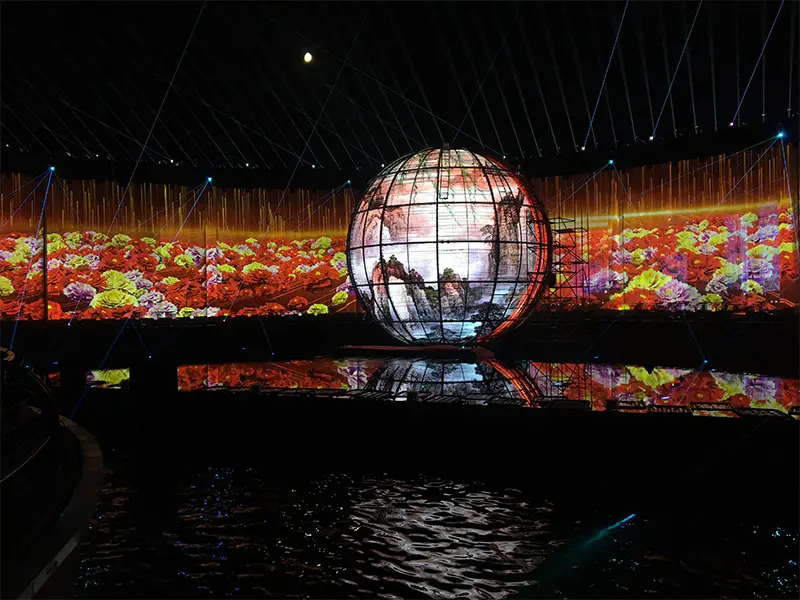
Interactive viewing works best when content feels part of the user’s space, rather than a distant, flat surface. Spherical LED displays achieve this immersive experience by enveloping content in 3D, eliminating the “screen barrier” often associated with flat displays. This is particularly effective for interactive content that requires depth:
Data Visualization: A corporate lobby used a spherical LED display to showcase global sales data, transforming a 2D chart into a 3D globe. Users could click on the sphere to zoom in on specific areas and trigger pop-ups containing detailed metrics. The curved surface made the data tangible.
Event Activation: A spherical LED display at a tech conference showcased a new smartphone. Presenters could walk around, examine the device’s design, interact with the on-screen demonstration, and even compare it to previous models, all while feeling as if they were immersed in a 3D world, as if they were “holding” the product. Unlike flat screens, which require users to “look” at the content, this spherical LED display allows users to “walk into” it.
Supporting Multi-User Collaboration
Flat screens typically limit interaction to one user at a time (for example, one person taps the touchscreen while others wait). Spherical LED displays address this issue by enabling true multi-user collaboration. Multiple users can interact with the display simultaneously, allowing everyone to experience the display’s interactivity.
In some corporate meeting spaces, a design team uses a 4-foot spherical LED display to review architectural blueprints. Five or six members can stand around the sphere and, using connected tablets, each annotate different sections and see updates in real time. There’s no need to lean over a flat screen or squint to see details. Alternatively, in a classroom teaching astronomy, a spherical LED display allows students to take turns “exploring” the 3D solar system, allowing the entire class to discuss their observations. This type of collaboration is not only convenient but also enables effective interaction and shared interaction.
Flexible Installation and Integration Options Adapt to Any Interactive Scenario
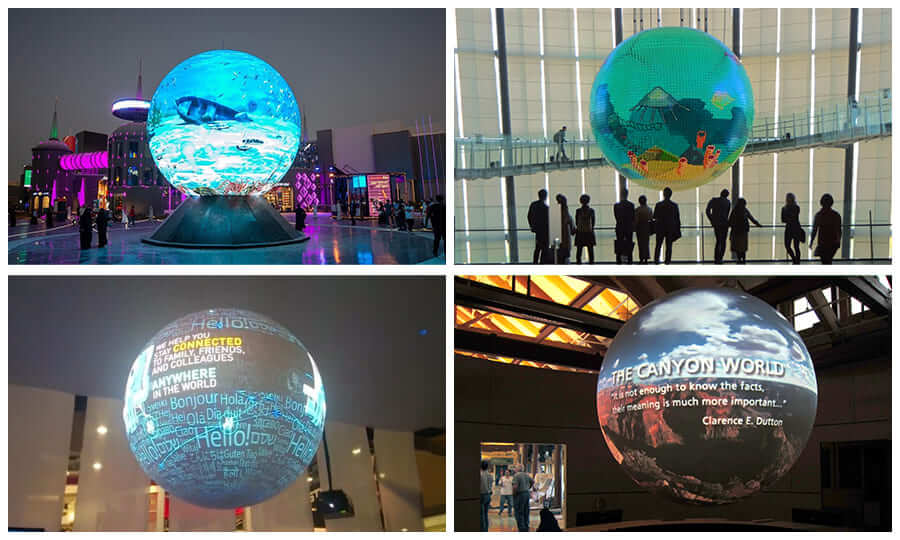
LED spherical displays offer flexible installation options, both floor-standing and ceiling-mounted, to accommodate any scenario. Unlike flat screens, LED spherical displays provide a variety of setup options to meet diverse needs better.
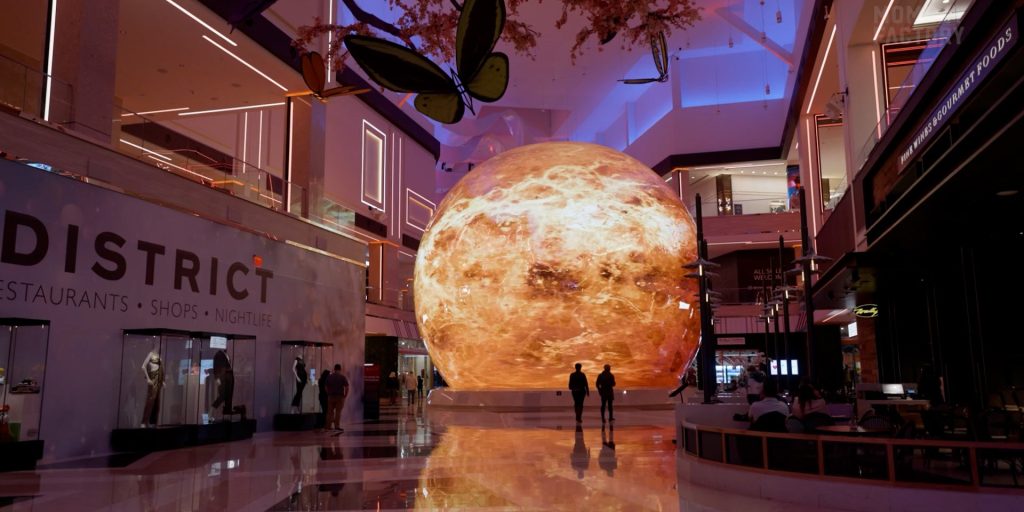
Ceiling-Mounted: A 10-foot LED spherical display suspended in a shopping mall atrium captures attention from all floors, allowing users on both the ground floor and upper balconies to interact with the content.
Floor-standing: A 5-foot, free-standing LED sphere at a trade show booth allows visitors to walk around, touch the surface to learn about products, and even connect their phones to share content directly to the sphere.
AR-enabled: Many LED spheres feature integrated AR technology, allowing users to scan the sphere with their phones to unlock additional interactive layers.
This versatility means LED spheres are versatile. Many hotel clients use their 8-foot spheres as lobby interactive centers showcasing local attractions during the day and wedding backdrops at night. The same display can be used for multiple interactive purposes, something flat screens simply can’t match.
High brightness and contrast ensure seamless interaction in any environment
If users can’t see the content, the viewing experience can be significantly diminished. Sphere LED displays deliver excellent display quality even in the brightest or busiest spaces. Most models feature high brightness (≥600 nits) and contrast (3000:1), ensuring content remains sharp and clear even in direct sunlight or brightly lit lobbies.
Spherical LED displays at many summer concerts remain clearly visible in sunlight, and audiences can interact with them using motion sensors. For example, waving a hand changes the sphere’s lighting pattern, eliminating the need to squint or lean over. Meanwhile, spherical LED displays in busy airport terminals can display flight updates and local advertisements. Therefore, spherical LED displays remain legible and interactive in any environment.
Providing a 360°, seamless viewing experience
For those tired of the limited engagement of flat screens, spherical LED displays offer a superior viewing experience. Their 360°, barrier-free design allows everyone to participate and enjoy immersive content, creating a truly immersive experience. They also provide flexible settings that adapt to any space and brightness level. These advantages not only make spherical LED displays superior to flat screens, but also establish them as a new type of interactive screen.