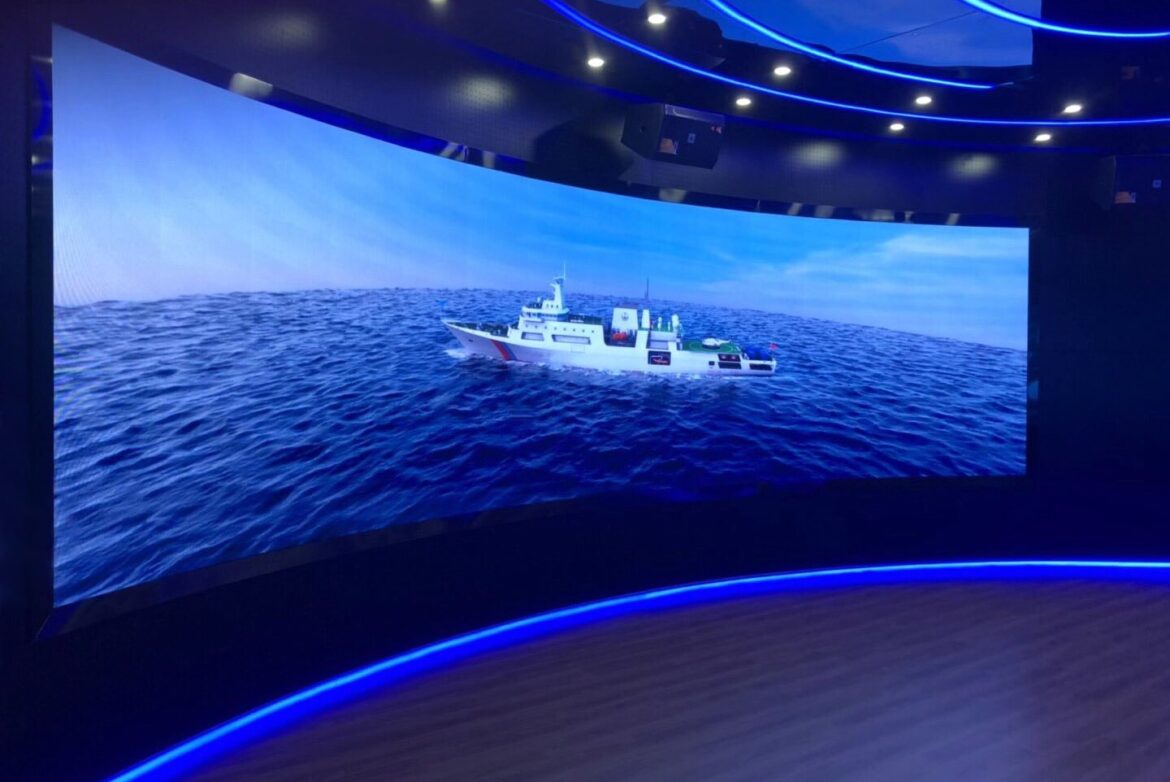
An Indoor LED display has become essential in high-visibility settings. Their superior brightness, vivid colors, and long lifespan make them an ideal choice for applications that require continuous, high-quality visual performance. One of the most critical advances in this field is seamless splicing technology. This technology enables designers to combine multiple LED panels into a single continuous display. It creates a seamless viewing experience by eliminating noticeable gaps between individual screens.
Seamless splicing technology involves the precise alignment of multiple LED panels to create a unified display. The most critical aspect of this technology is minimizing or eliminating the gap between panels to present a continuous, uninterrupted visual. To achieve this, manufacturers design LED panels with ultra-thin or no bezels. Precision molding and magnetic attachments allow these panels to interlock securely.
Key Mechanisms Behind Seamless Splicing for Indoor LED Displays
To create seamless splicing in an indoor LED display, manufacturers rely on several cutting-edge mechanisms. One of the most important is point-by-point calibration, a technology that adjusts individual pixels to ensure consistent brightness and color across the entire display. This calibration process accounts for variations across modules, ensuring that no panel appears brighter or duller than the others. Additionally, designers use small-pitch technology (such as P1.25 to P2.5) to maintain clarity at close viewing distances. The smaller the pixel pitch, the more detailed the image becomes. This is especially important for creating a seamless experience that viewers can enjoy up close without noticeable pixelation.
One of the biggest challenges in creating a seamless LED display is ensuring uniform color and brightness. Unlike other display technologies, such as LCD, which may have visible seams or inconsistent backlighting, seamless LED displays maintain uniformity across the entire surface. The integration of advanced optical masking techniques diffuses light at the edges, preventing any visible dark lines or bright spots where the panels meet. The point-by-point luminance and chroma correction ensures that the color temperature and brightness are even across the display, providing a continuous and vibrant image from edge to edge.
The Advantages of Seamless Splicing
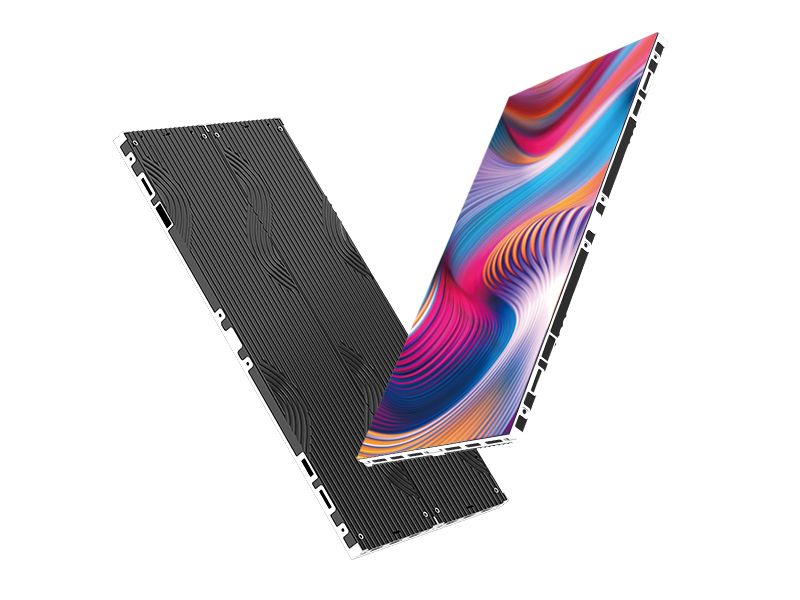
Seamless splicing technology offers a range of advantages for an indoor LED display. First, it eliminates the visible seams between panels, offering a truly seamless viewing experience. This is particularly beneficial for applications where the display is meant to present large images or videos without interruption, such as in control rooms, concert venues, or retail displays. Additionally, seamless LED displays offer superior brightness and contrast, making them suitable for high-ambient light environments. Unlike projectors, which struggle in bright light, seamless LED displays maintain excellent image quality even under direct sunlight.
Moreover, seamless LED technology provides flexibility in display size. LED manufacturers can create large, customized displays by combining multiple panels, making them adaptable to a wide range of room sizes and shapes. Whether it’s for a conference room or a public event, the display can be tailored to meet specific requirements without sacrificing visual quality.
Maintenance and Longevity of Seamless
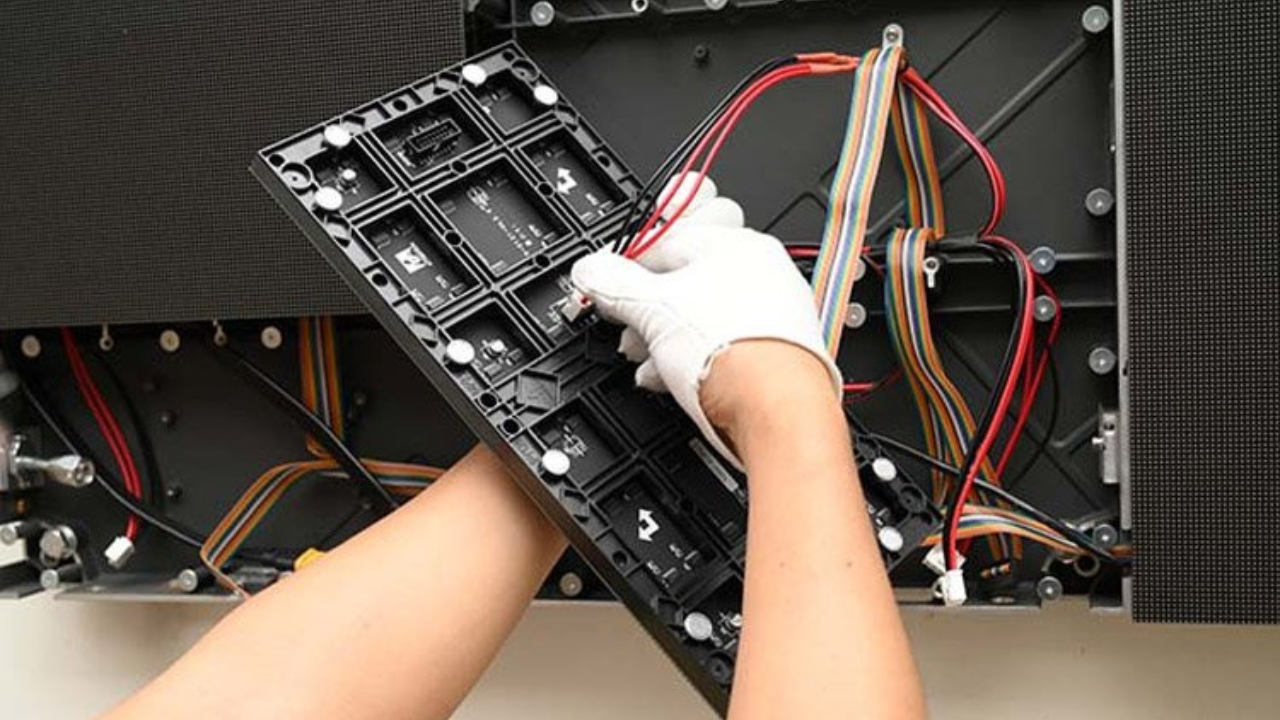
An important consideration for any display system is its maintenance and longevity. Seamless LED displays excel in both areas. LED technology has a much longer lifespan compared to traditional display methods like projectors or plasma screens. LED panels typically last tens of thousands of hours, making them a cost-effective option in the long run. Additionally, the modular design of indoor LED displays makes maintenance easy. If a panel needs repair or replacement, technicians can complete the process quickly and efficiently, often without needing to access the back of the display. This minimizes downtime and ensures that the display remains operational for extended periods.
Role in energy efficiency and the environment
Traditional display systems, such as large-scale LCD walls or projectors, consume constant power regardless of the content being displayed. In contrast, seamless LED displays use low-power energy-saving technologies that adjust power consumption based on the content. This dynamic energy management leads to lower overall energy usage, which is not only cost-effective but also environmentally friendly. Additionally, LED technology is free of harmful substances such as mercury, which is commonly used in other display technologies. This makes seamless LED displays a more sustainable choice for modern environments.
Why Seamless Splicing Technology Is Essential for an Indoor LED Display
In conclusion, seamless splicing technology offers unparalleled advantages in visual quality, energy efficiency, and maintenance. By eliminating gaps between panels, ensuring uniform brightness and color, and offering flexible sizing, seamless splicing creates a cohesive, immersive viewing experience unmatched by other display technologies. As demand for high-end, high-quality visual solutions continues to rise, seamless LED splicing will remain a critical component in the evolution of modern display systems, helping businesses and organizations achieve flawless, large-scale visuals with lasting impact.
As the demand for larger, more dynamic displays continues to grow, whether for corporate environments, entertainment venues, or control rooms, seamless LED displays provide the clarity, reliability, and visual impact that today’s users require.