
In commercial spaces, high-end LED displays have become a ubiquitous advertising tool; however, concerns regarding prolonged operation and electricity costs often give rise to apprehension. Yet, in reality, enhancing energy efficiency does not necessitate a sacrifice in performance. By analyzing specific energy-saving metrics and hardware configurations, I will help you quickly grasp the underlying principles at play, demonstrating how these displays can achieve efficient, low-consumption, and seamless operation while maintaining exceptional performance.
Key Technologies for Low-Power LED Screen Operation
Several core technologies help the LED Screen run continuously with low power. LED Screen uses highly efficient chips that lower energy use while keeping clear pictures. These chips work with smart power control systems. The system changes power levels based on actual usage. The LED Screen also uses strong heat-dissipating parts. They take away heat quickly during long working hours. This keeps the unit stable and avoids overheating risks. The circuit design inside the is also well optimized. It reduces unnecessary energy loss during daily use. All these parts let the LED Screen run steadily for a long time.
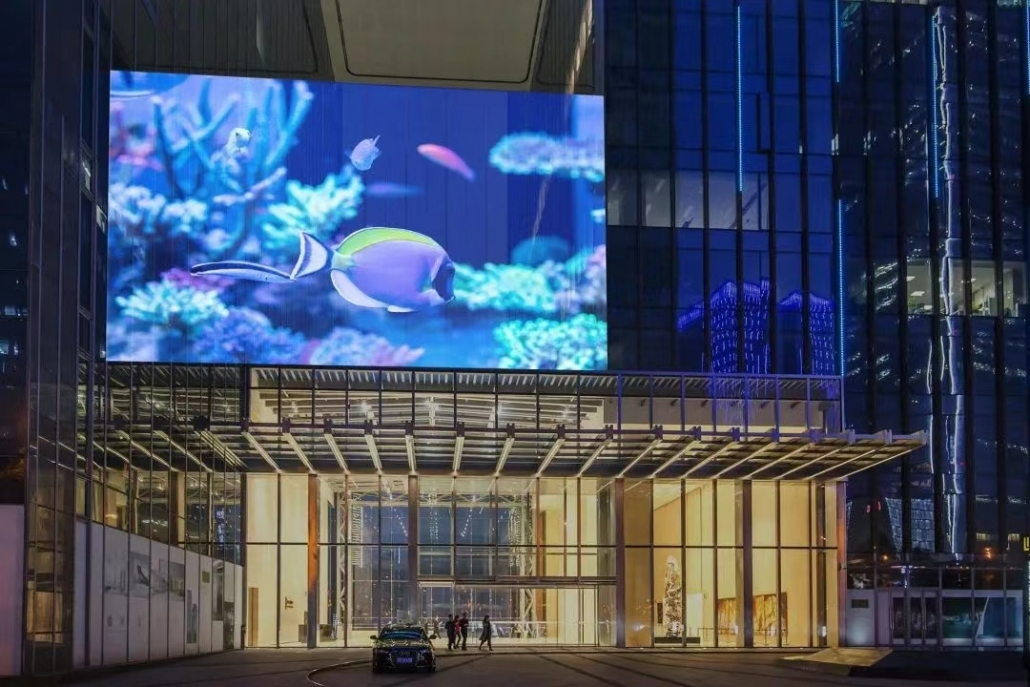
How to Verify an LED Screen’s Low-Power Operation?
You can check simple points to judge the LED Screen’s low-power ability. First, look at its official power data. Professional LED Screen shows clear working and standby power values. These figures directly show its energy efficiency. You can also learn about its energy-saving design. High-quality LED Screen uses improved circuit structures. It cuts wasted power and stays reliable at the same time. Real application cases also give strong proof. Many business places use for long hours. Their daily use proves the low-power performance of the LED Screen.
Reliable LED Screen Manufacturer Ensures Low-Power Operation
The quality and energy efficiency of the selected products directly impact the overall system’s performance, a factor that affects not only operational costs but potentially every other aspect of the operation as well. Therefore, it is crucial to select a qualified and professional LED display manufacturer. A professional LED Screen manufacturer begins optimizing the energy-saving characteristics during the initial design phase, utilizing advanced technologies to enhance energy utilization efficiency. Furthermore, they strictly adhere to rigorous quality inspection standards throughout the entire production process, thereby ensuring the final product’s reliability, durability, and exceptional performance.
How to Identify a Qualified LED Screen Manufacturer?
First, you can research a manufacturer’s industry experience online or by visiting their official website. Experienced manufacturers typically possess a more thorough understanding of the practical requirements for LED displays and provide detailed information regarding their products and competitive advantages on their websites. This allows you to assess their technical capabilities and production management expertise. Furthermore, you should verify the product’s relevant certifications; certified LED displays comply with strict energy efficiency and quality standards. Beyond these factors, after-sales service is equally important; should any operational issues arise with the LED display, the ability to communicate promptly and effectively with the manufacturer’s customer support team ensures that problems are resolved promptly.
Quality Control Measures for LED Screen Manufacturers
Qualified manufacturers subject every single LED display unit to rigorous, repetitive testing. They measure the device’s energy consumption under various operating scenarios and conduct extended performance tests to ensure stability. Through these procedures, manufacturers guarantee that their LED displays will continue to operate efficiently, even in continuous, 24/7 operating environments. Additionally, manufacturers often provide expert guidance on equipment usage, helping users fully leverage the low-power advantages of their LED displays to achieve maximum energy-saving results.
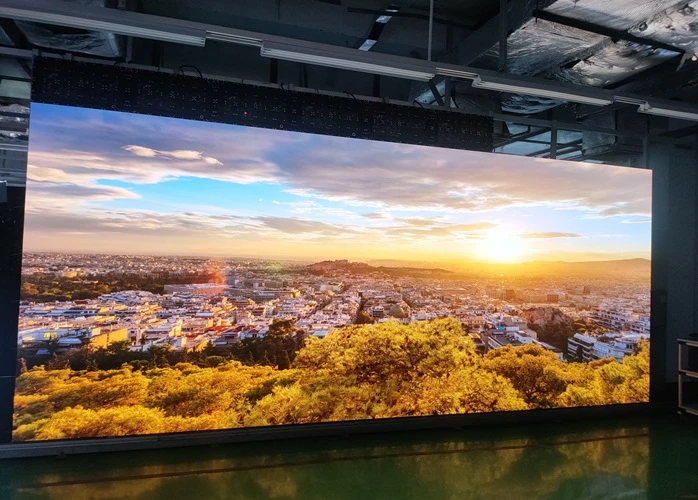
Common Misunderstandings About Low-Power
Many people hold wrong ideas about LED Screen and low-power running. Some people think a lower power will damage display quality. But a high-end LED Screen keeps images sharp while using less energy. Power changes do not weaken the visual effect. Other people believe continuous running uses too much power. The modern has automatic power adjustment. It lowers energy use when content changes slowly. This stops unnecessary power waste. These wrong ideas often affect people’s choice of an efficient LED Screen.
High-End LED Screen Enables Low-Power Operation
The built-in technology of high-end LED displays combines both high efficiency and operational stability, enabling them to fully support continuous, low-power operation. For commercial venues, selecting this type of LED display effectively meets the requirements for extended usage periods while minimizing energy consumption. Moreover, working with a professional manufacturer ensures superior safety standards, improved product longevity, and further cost reduction.
With optimized energy-saving features, these displays maintain consistent brightness and clear imaging even during nonstop operation. They also reduce heat generation and lower the load on supporting power systems, which helps avoid frequent maintenance and unexpected downtime. Over long-term use, this translates to more stable daily operations and lower overall operating expenses for businesses. These displays adapt easily to different commercial scenarios—from retail storefronts to conference halls—without sacrificing performance or increasing energy use. They operate quietly, too, fitting seamlessly into busy environments without causing disruptions, and their durable design holds up well under the demands of all-day, every-day use.