
A 360 degree LED sphere display can become the visual center of a mall, museum, airport atrium, exhibition hall, or brand experience center. Unlike a flat LED display, it presents content across a curved, spherical surface, allowing viewers to see the screen from different directions. Before ordering one, buyers need to look beyond the shape. Diameter, pixel pitch, installation method, control system, content mapping, and maintenance access all affect the final result. When these details stay unclear, the project may face poor image quality, difficult installation, higher service costs, or distorted content.
A 360 Degree LED Sphere Display Supports Multi-Directional Viewing
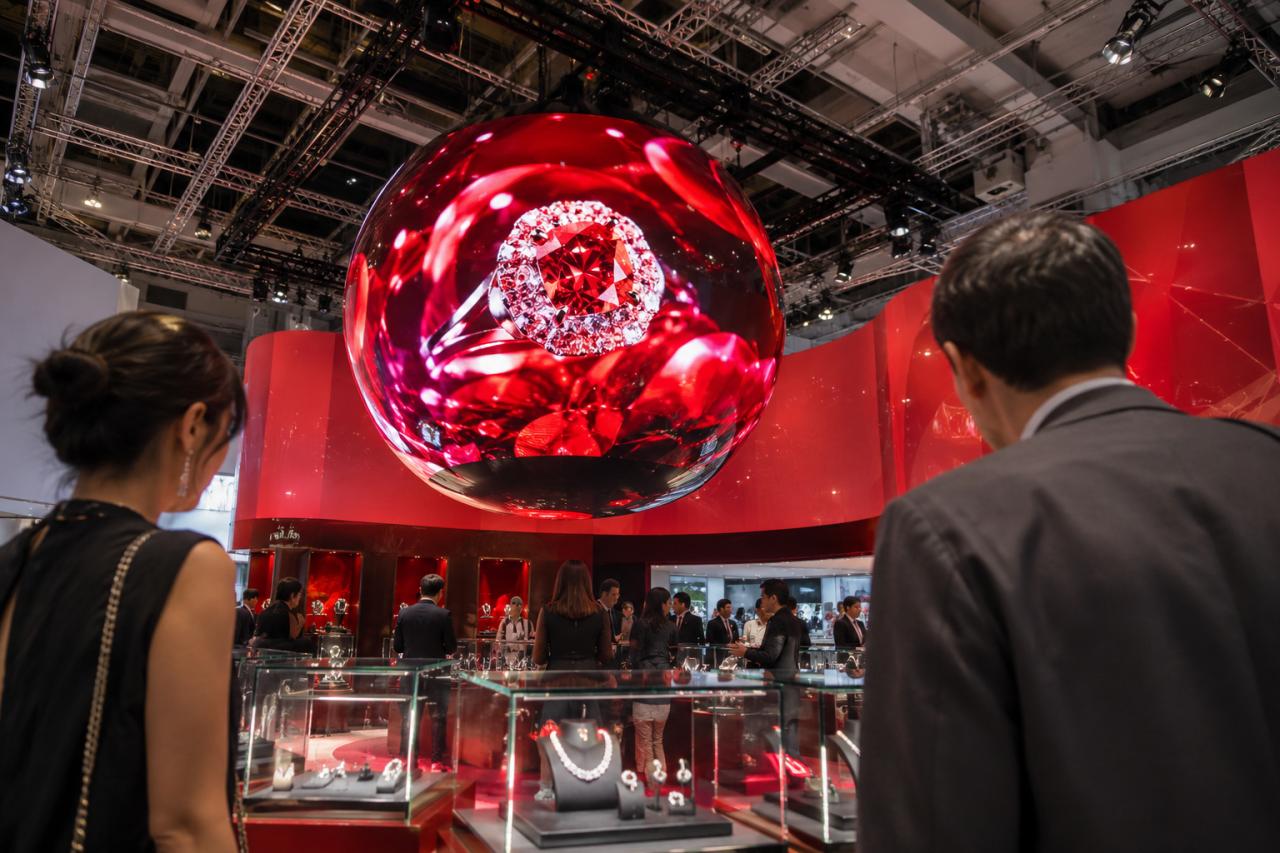
A 360 degree LED sphere display works best in spaces where people approach from several angles. It can hang above a central area, stand in a themed zone, or serve as a landmark in a commercial venue. Shopping malls use it to attract foot traffic. Museums use it for immersive visual storytelling. Airports, corporate lobbies, entertainment venues, and exhibition halls use it when a normal flat screen cannot create enough spatial impact. Buyers should first define the display’s role. If the project only needs to show schedules, notices, or simple advertising, a flat screen may work better. When the project needs a visual object that people can walk around, photograph, and remember, an LED sphere display makes more sense.
The Installation Environment Defines the Display Configuration
The installation site affects almost every technical choice. Indoor and outdoor projects need different brightness levels, protection designs, structures, and maintenance plans. Buyers should confirm the site conditions before choosing the diameter or resolution. For projects that need non-standard display forms, the creative LED display range helps buyers compare spherical, rollable, floor-standing, circular, and acoustic dome display options. This is useful when the sphere needs to match other creative display surfaces in the same space.
Indoor Installation Requirements
Indoor projects usually focus on viewing distance, image detail, ceiling height, floor space, and long operating hours. A sphere in a museum or showroom may sit close to visitors, so pixel pitch and surface consistency matter. A sphere in a shopping mall atrium may hang higher, so the structure and suspension plan become more important. Indoor LED sphere displays also need stable color and brightness across the curved surface. Uneven brightness can look more obvious on a sphere because viewers see the display from changing angles. Good heat dissipation also helps the screen run for long hours in commercial spaces.
Outdoor Installation Requirements
Outdoor projects need stronger weather protection, higher brightness, safer power design, and better resistance to temperature changes. A sphere installed in an outdoor plaza or public commercial area must handle sunlight, rain, dust, wind, and long operating hours. Buyers should confirm waterproof design, steel structure, wind-load requirements, maintenance access, and power distribution before production. An outdoor sphere cannot simply be a copy of an indoor version with a waterproof label added later. That little fantasy belongs in the same drawer as “quick website redesign.”
The Right 360 Degree LED Sphere Display Size Depends on Viewing Distance
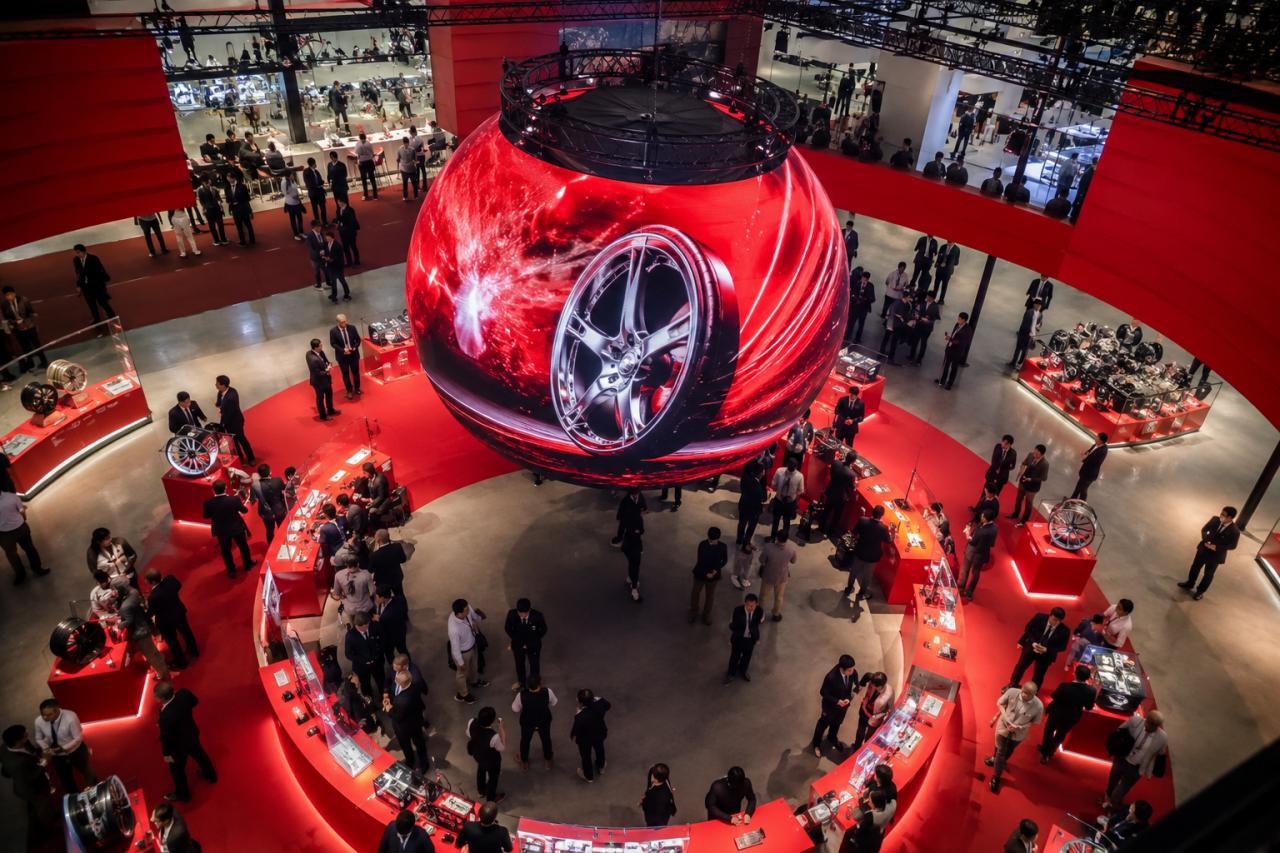
The sphere diameter should match the space and the audience distance. Small spheres work well in showrooms, retail areas, and compact exhibition booths. Medium spheres fit malls, corporate lobbies, and exhibition halls. Large spheres suit atriums, airports, entertainment venues, and wide public spaces. The JR Visual LED Sphere | Rental And Fixed Installation supports multiple indoor diameters, including 0.5m, 1m, 1.5m, 2m, 2.5m, 3m, and larger customized sizes. Outdoor options can also use larger diameters for wider viewing areas. Size affects more than visual impact. It changes structure weight, shipping method, installation work, resolution planning, and future maintenance. Buyers should confirm where people will stand, how high the sphere will hang or stand, and whether visitors need to see fine details or broad motion effects.
Pixel Pitch Shapes LED Sphere Display Clarity and Cost
Pixel pitch affects image clarity, viewing comfort, and project cost. Smaller pixel pitch creates finer detail for close viewing. A larger pixel pitch can still work well when the audience views the sphere from farther away. Indoor LED Sphere options include pixel pitches such as 1.2mm, 1.5mm, 1.8mm, 2mm, and 2.5mm. Outdoor options often use larger pitches such as 4mm and 5mm. The right choice depends on viewing distance, not on chasing the smallest number as if it unlocked some secret achievement.
Close Viewing Needs Smaller Pixel Pitch
Museums, brand experience centers, luxury retail stores, corporate lobbies, and compact exhibition booths often place visitors close to the display. These spaces usually need a finer pixel pitch to keep images smooth and detailed. If the pitch is too large, visitors may notice visible pixels, rough edges, or weak image detail. That can reduce the value of a premium creative display installation.
A long viewing distance requires a larger pixel pitch
Airports, large atriums, outdoor spaces, and entertainment venues often place the audience farther from the sphere. In these projects, a larger pixel pitch may still deliver a clear visual effect from the actual viewing area. This choice can reduce cost and power demand without hurting the viewing experience. Buyers should match pixel pitch with real viewing distance, screen size, and content type.
The 360 Degree LED Sphere Display Structure Must Be Planned Early
A 360 degree LED sphere display is both a screen and an engineering structure. Buyers should confirm the installation method before production starts. The project may need a hanging system, floor-standing base, custom steel frame, segmented transport plan, or site-specific assembly method. LED sphere products can support both hanging and standing installation. The right method depends on ceiling load, floor area, viewing angle, maintenance access, and site safety. Large spheres may need sectioned packing and on-site assembly. Maintenance access also needs early planning. A clean exterior does little good if technicians cannot access modules, cables, power boxes, or control equipment after installation.
The Control System Must Match the Content Plan
The control system should match the content plan from the beginning. A spherical LED display does not always show ordinary flat video correctly. Curved surfaces need content mapping, resolution planning, and playback testing. Without proper mapping, graphics may stretch near the top, bottom, or module seams. Logos may look distorted. Text may become hard to read. This is usually not a screen failure. It is a planning failure to wear expensive clothes.
Standard Video Content May Need Mapping
Standard rectangular video often needs to be mapped before it works on a sphere. The supplier should confirm sphere resolution, content ratio, media format, control method, and playback workflow before production. For complex projects, designers may need a content template. This helps the creative team place logos, text, product visuals, and motion effects in the right areas.
Real-Time Playback and Scheduled Content
Commercial projects may need scheduled playback, remote updates, real-time input, or several content loops. Shopping malls may run seasonal advertising. Museums may use story-based visuals. Brand centers may show product campaigns. Event venues may need timed sequences. The screen, control system, and content workflow should work together. Buyers should not treat hardware and content as separate decisions.
Custom LED Sphere Screen Options Should Be Confirmed Before Production
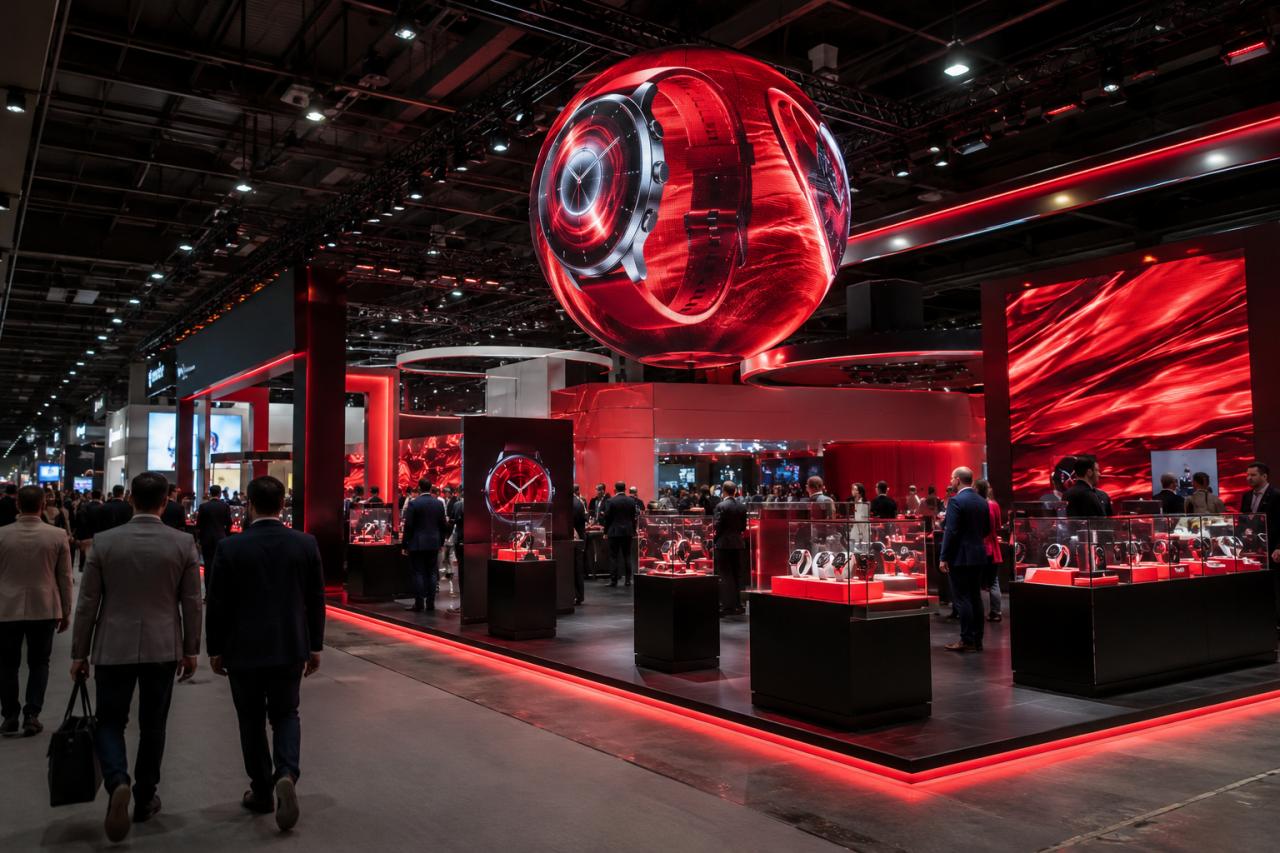
Most commercial projects need some customization. Buyers should confirm the available options before manufacturing begins because late changes can affect cost, delivery time, structure, and installation. Customization may include diameter, pixel pitch, indoor or outdoor module type, brightness level, control system, cabinet layout, hanging or floor-standing structure, maintenance method, and packing plan. For rental use, surface protection also matters because the screen may face repeated transport, setup, and dismantling. For wider project planning, creative LED solutions can help buyers match the display format with the space, content plan, installation method, and long-term operation. A custom LED sphere screen should be tailored to the site conditions, viewing distance, content needs, and service plan.
Buyers Understand the 360 Degree LED Sphere Display Before Ordering
Before ordering a 360 degree LED sphere display, buyers should confirm how the screen will be used, where it will be installed, how far viewers will stand, what structure the site can support, and what type of content will play on the sphere. A well-planned LED sphere display can serve as a strong visual centerpiece for malls, museums, airports, exhibition halls, brand experience centers, and entertainment venues. The final result depends on more than the spherical shape. Diameter, pixel pitch, installation structure, control system, content mapping, and customization all affect how smoothly the project runs after installation.