
Before customers even enter a commercial space, an indoor LED display often forms their first impression. Whether in a shopping mall storefront or a hotel lobby, the light and dynamic effects of LED screens naturally attract attention and set the tone for the space. This direct visual impact explains why indoor LED displays have become the preferred medium for modern commercial communication.
As commercial interior design evolves towards greater immersion and visual impact, expectations for display performance are also rising. Static signage struggles to keep pace with rapidly changing information updates. In contrast, indoor LED screens offer flexibility, stable brightness, and clear image quality, making them ideal for controlled indoor environments where visual comfort and visual impact are equally important.
Efficient deployment is key to fully leveraging these advantages. A well-designed indoor LED video wall can seamlessly integrate with its surroundings, operate reliably in daily use, and deliver a clear image without drawing attention to technical details.
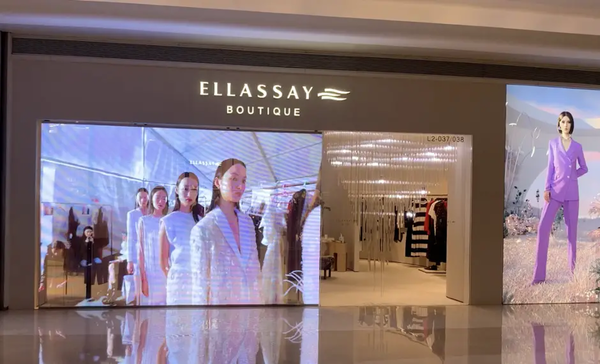
The Role of Visual Displays in Indoor Spaces
Every commercial space uses visual displays for a specific purpose, even if that purpose isn’t immediately obvious. In stores, displays are typically used to highlight products, promotions, or branding. In offices or public spaces, they are used to convey information, reinforce brand image, or enhance the ambience. Defining their purpose early helps select the appropriate display size, location, and content style.
Spatial characteristics significantly impact the performance of LED displays. Wall dimensions, ceiling height, and pedestrian paths determine the natural line of sight for viewers. Displays placed along the natural line of sight create a visually appealing and engaging experience. At the same time, improper placement reduces visibility, regardless of screen quality.
Ambient lighting complements the environment. Sunlight from windows, decorative lighting, and ceiling lights all affect the brightness and colour of LEDs. Thoroughly evaluating these factors before installation ensures the display harmonizes with the interior environment, avoiding it from appearing too dark or too bright.
How to Choose the Right Indoor LED Display?
Choosing an indoor LED display requires balancing visual performance with actual viewing conditions. Pixel pitch should be matched to the expected viewing distance to maintain image smoothness and clarity. For most commercial indoor applications, a pixel pitch range of P1.2 to P2.5 is widely used. In close-range environments where viewing distances are typically between 2 and 4 meters, such as showrooms, control rooms, or conference rooms, P1.2 to P1.8 provides smoother images and finer details. In larger spaces with viewing distances exceeding 4 meters, P2.0 to P2.5 provides clear visuals without excessive pixel density.
Brightness selection should be based on typical indoor lighting standards, not outdoor standards. For commercial indoor environments, indoor LED displays with a brightness range of approximately 600 to 1200 nits are generally suitable. Displays with brightness near the lower limit of this range are suitable for environments with controlled lighting, such as conference rooms or showrooms. In contrast, displays with brightness near the upper limit are more suitable for shopping malls and atriums with stronger ambient light. This LED product range ensures good visibility without glare or eye fatigue.
Appearance design also affects deployment efficiency. The cabinet dimensions, thickness, and aspect ratio should harmonize with the architectural elements. A display that blends seamlessly with the wall or column reduces visual clutter, simplifies installation, and ultimately presents a more refined appearance, making it feel like a custom design rather than an afterthought.
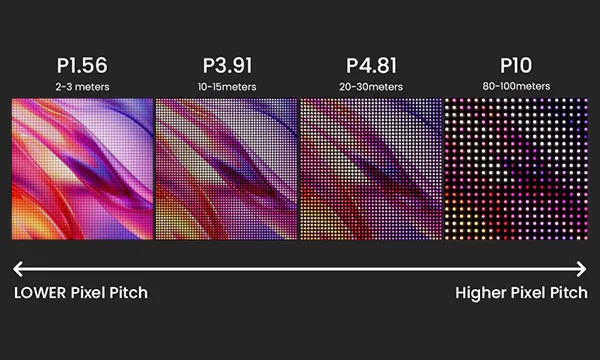
Structural Preparation and Installation Planning
Successful installation begins with structural preparation. The wall strength, mounting points, and load distribution must withstand the total weight of the LED cabinet and supporting hardware. This preparation ensures long-term stability and protects the display and surrounding structure.
Cable planning is equally important. Power and signal cables should be routed along pre-defined paths, maintaining concealment while facilitating maintenance. Neat cable management not only enhances aesthetics but also reduces the risk of accidental disconnections or wear.
Ventilation design helps ensure operational stability. Although indoor LED displays generate less heat than outdoor systems, ample airflow behind the screen prevents heat buildup, thus ensuring stable performance over extended periods.
Designing Content for Indoor LED Display
Indoor LED displays can only reach their full visual potential when paired with carefully prepared content. Graphics and videos should be designed at native resolution to maintain sharp edges and accurate colour transitions. Content converted from mismatched formats often appears blurry or uneven.
In indoor environments, viewers may stare at the screen for extended periods, making visual rhythm crucial. Smooth animations, balanced colour usage, and clear fonts attract attention without overwhelming the eyes. This approach enhances viewer engagement and provides a comfortable visual experience.
Content scheduling improves operational efficiency. Displays that support remote updates and autoplay reduce the need for on-site intervention. This feature ensures timely information updates while minimizing disruption to daily business activities.

Maintaining Stability and Simplifying Operation
Stable performance is key to the reliability of indoor LED displays. High-quality LEDs, stable driver components, and well-matched power supplies reduce many unnecessary problems.
Calibration plays a vital role in ensuring visual uniformity. Factory calibration ensures consistency across modules upon delivery, while periodic recalibration maintains accuracy as components age naturally. This process ensures a consistently seamless appearance across the entire display surface.
The maintenance-friendly design also improves installation efficiency. The front-mounted LED display housing allows technicians to replace modules or power components without disassembling the entire display, which is particularly advantageous in space-constrained commercial settings. Monitoring functionality also enables real-time anomaly detection, reducing the likelihood of unexpected display interruptions during business hours.
Enhancing Impact with an Indoor LED Display
Indoor LED displays reach their full potential when seamlessly integrated into the commercial environment. Screen size, colour, and placement that harmonize with interior design elements enhance visual quality and create a professional feel.
Therefore, installing indoor LED displays requires a balanced approach that integrates environmental awareness, appropriate product selection, standardized installation, and reliable operation. Each element directly impacts visual quality and the daily user experience. By emphasizing the specific needs of the indoor environment and avoiding unnecessary complexity, it delivers stable performance and refined effects. This approach ensures both visual comfort and long-term reliability.