A rented LED screen is essential for on-site events. Data shows that improper operation and maintenance can shorten their lifespan by 30% to 40%, forcing event rental companies to replace equipment every 2 to 3 years. Therefore, maximizing the lifespan of a rented LED screen means more than just reducing replacement costs; it’s about ensuring stable performance, minimizing on-site failures, and maintaining a reliable service reputation.
The dynamic nature of rented LED screen usage—frequent transportation, assembly, disassembly, and exposure to various environmental conditions—is a significant factor. Unlike permanent LED screens placed in controlled environments, rented LED displays for events must withstand vibrations during transportation, dust from outdoor sites, and rapid changes between storage facilities and event venues. These factors make proactive maintenance and scientific upkeep crucial for preventing wear and tear.
Implement a rigorous pre-use inspection process
Pre-use inspection is the first line of defense against premature failure of
rented LED screens, identifying and resolving potential problems. A thorough inspection of critical components is essential before deploying any LED screen equipment to the event site. First, inspect each LED module for signs of physical damage, such as cracked casings, loose pins, or LED discoloration. Even tiny cracks can allow dust and moisture to seep in, corroding internal circuitry and shortening lifespan. Next, inspect the connecting cables and connectors. Use a multimeter to test the voltage and current outputs, ensuring the power supply operates within the manufacturer’s recommended range; an unstable power supply can damage the LED driver IC, a critical component that regulates current to the LEDs.
In addition to component inspection, verify the control system’s functionality. Run a full display test to ensure all pixels emit light uniformly, with no dead pixels or color distortion. Also, check screen brightness. For outdoor events, check the waterproof seal to prevent rainwater intrusion.
Optimize the handling and assembly process for rented LED screens
Frequent assembly and disassembly are common in the operation of rented LED screens. Improper handling during this process can damage the equipment. To avoid this, when moving individual LED panels, avoid gripping the edges or corners, as these areas are prone to cracking. Therefore, use the designated handles or lifting points. During transportation or storage, use a dedicated stacking frame to distribute weight and prevent pressure on the LED modules evenly. The maximum stacking height should not exceed the
LED manufacturer‘s recommended value to avoid crushing the bottom panel.
Before installing the LED panels, ensure the mounting structure is secure and reliable. Use only manufacturer-approved hardware, such as bolts and brackets, and tighten to the specified torque to prevent loosening from vibration during use. However, overtightening may damage the threads or mounting points of the panels. When disconnecting cables between panels, pull on the connector itself to avoid damaging the wires or connector pins. These seemingly minor handling and assembly adjustments can significantly reduce physical wear and tear on the rental LED screen, maintain its structural integrity, and extend its lifespan.
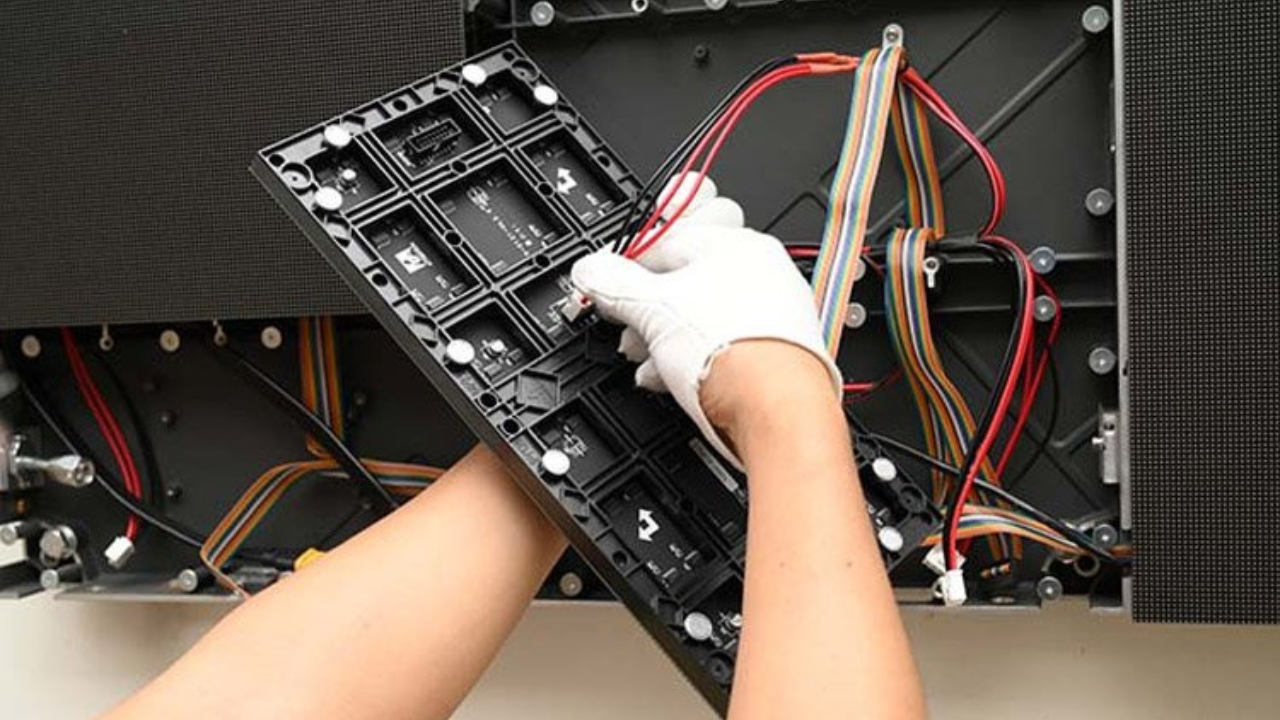
Controlling the Operating Environment of the Rental LED Screen
Extreme temperature, humidity, and dust are the most common environmental stressors. Rental LED screens used for outdoor activities are particularly susceptible to these factors. Most rental LED screens are designed to operate within a temperature range of -20°C to 40°C. Exceeding this range can damage the LED chips and internal circuitry. High temperatures accelerate the aging of LED components. Studies show that for every 10°C increase in operating temperature above the recommended limit, the lifespan of
LED chips is reduced by approximately 50%. To mitigate this, event rental companies can deploy fans or heat sinks for outdoor events in hot climates. Ensure adequate airflow around the screen for heat dissipation.
Regarding humidity control, high humidity can cause condensation inside the LED panels, leading to short circuits and corrosion. For events held in humid environments, such as coastal areas or during the rainy season, renting LED displays with waterproof materials is optimal.
Employ Proper Power Management
Proper power management is also crucial for extending the lifespan of rental LED screens. Voltage fluctuations, surges, and sudden power outages can damage power supplies or other sensitive components. To address this, event rental companies can use high-quality power conditioners in their stage installations. Power conditioners stabilize voltage and filter out noise and fluctuations that can damage equipment.
Avoiding power overload is also important. Each rental LED screen has its specified rated power. Connecting too many panels to a single power supply beyond its rated capacity can cause overheating and component damage. Before deployment, calculate the total power requirements of the installation and ensure the power supply can handle the load to prevent damage to internal circuitry from sudden power outages.
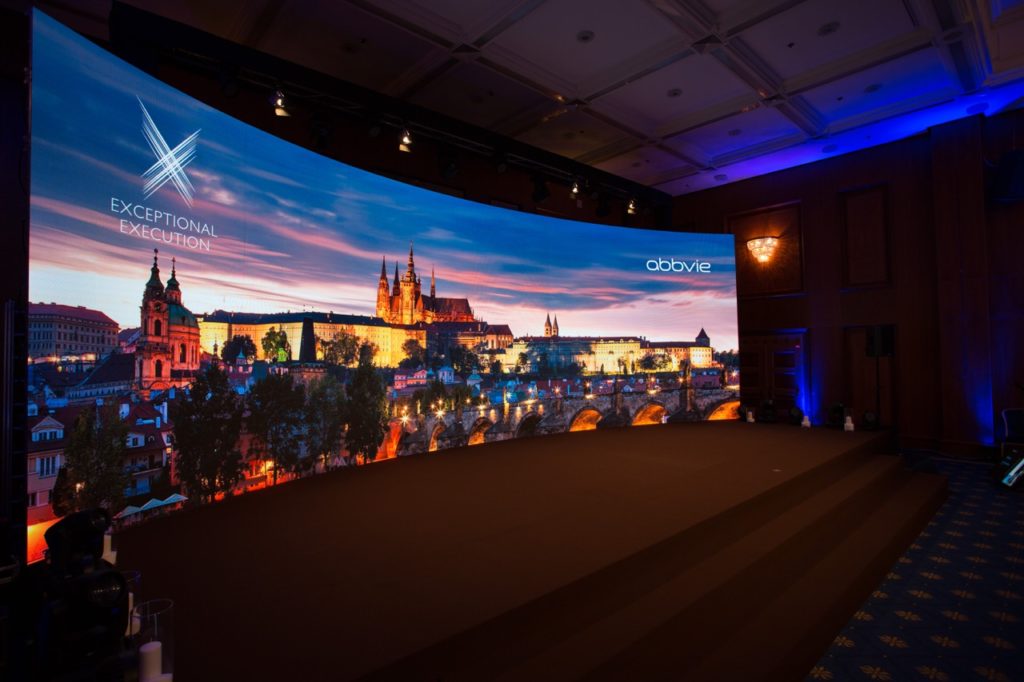
Regular Post-Event Maintenance
After an event, rental LED screens are returned to storage, where dust and moisture may accumulate. Failure to clean them promptly can cause long-term damage. Therefore, post-event maintenance should begin with a thorough cleaning of the LED panels and housing. Wipe the screen surface with a soft, damp cloth to remove fingerprints, dust, and any debris generated during the event.
After cleaning, also conduct a detailed inspection of all components. Check for signs of wear, such as loose connectors, worn cables, or damaged LED modules. If the rented LED screen has been used in a humid or rainy environment, place the panels in a well-ventilated, low-humidity area until completely dry before storing.
Ensure Proper Storage of Rented LED Displays
The ideal storage environment for rented LED displays is a clean, dry, and temperature-controlled warehouse. The temperature should be maintained between 10°C and 30°C, and the relative humidity below 60% to prevent condensation and corrosion. Avoid storing the displays in direct sunlight, as ultraviolet rays can cause fading of the LED surface and damage to the panel casing.
When storing rented LED displays, use dedicated storage racks or boxes designed specifically for LED panels. These racks should be sturdy and level, with sufficient space between panels to ensure airflow. Never stack panels directly on the floor or against a wall, as this can cause the panels to warp or crack. Each LED panel can be wrapped with a dust cover to prevent dust accumulation, and silica gel desiccant can be placed inside the storage box to absorb residual moisture. Cables and connectors should be organized and stored separately to avoid tangling or compression.
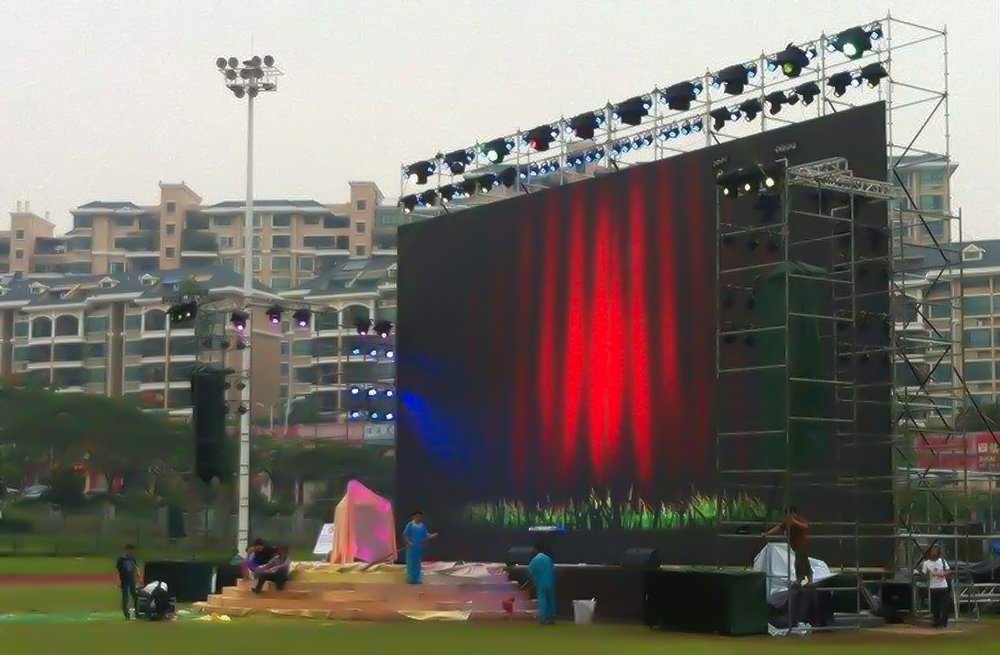
Extend the Lifespan of Your Rental LED Screens for Long-Term Success
Extending the lifespan of your rental LED screens encompasses pre-use inspection, proper handling and assembly, environmental control, power management, post-event maintenance, and proper storage. These steps address the wear and tear rental LED screens experience from frequent transport and varied event environments. Maintaining rental LED screens using these methods can achieve a full lifespan of 10-15 years, whereas improper maintenance can reduce it by 2-3 years.
The lifespan of a rental LED screen is not fixed; it depends on maintenance and care throughout its operational cycle. From leaving the warehouse to returning it, every step in the process is crucial to maintaining its functionality and durability. By adopt