
An indoor LED display offers high-definition images, vibrant colors, and flexible installation, making it a top choice for modern indoor environments. However, not all indoor LED displays are the same price. Price differences primarily stem from factors that influence the materials, performance, and durability of manufacturing. A detailed analysis of these factors helps explain why some indoor LED displays are more expensive and why investments in high-quality products typically yield long-term returns.
Pixel Pitch and Resolution of an Indoor LED Display
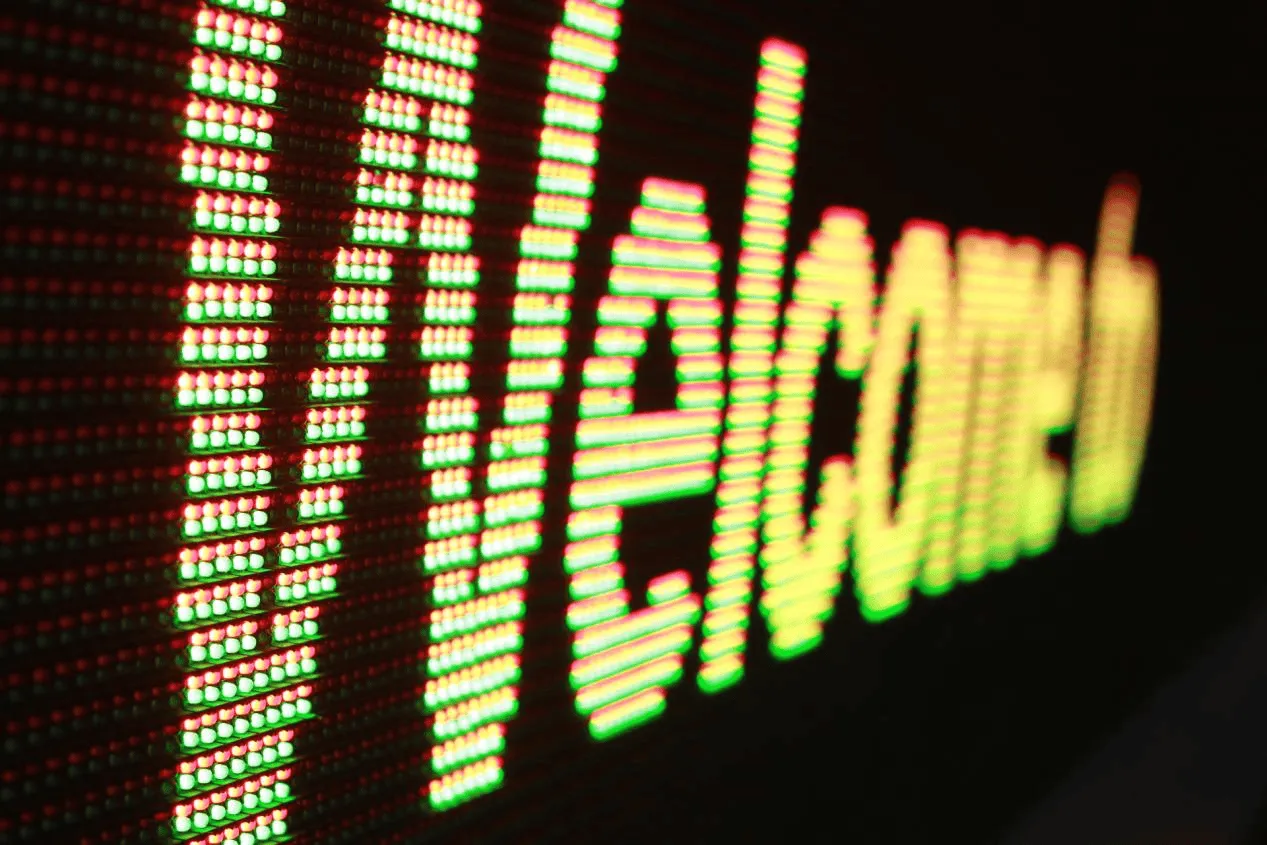
Pixel pitch is one of the most influential factors in the pricing of indoor LED displays. It refers to the distance between the centers of two adjacent pixels and determines the display’s resolution. Smaller pixel pitches, such as P1.5, P2, and P3, pack more LEDs per square meter, delivering sharper and more detailed images suitable for close-up viewing. This higher display increases the number of components required, adds complexity to assembly, and necessitates more precise calibration. Fine-pitch displays also need more advanced circuitry to maintain uniform brightness and color consistency, further driving production costs. Conversely, larger pixel pitches reduce material requirements and simplify assembly, resulting in lower prices. For instance, a P1.5 display can cost several times as much as a P4 display of the same size, reflecting the additional LEDs, labor, and quality control required for fine-pitch manufacturing.
LED Chip Quality of an Indoor LED display
The LED chip is the heart of the display, determining brightness, color accuracy, and lifespan. High-quality chips from reputable brands provide better color consistency, longer operational life, and lower defect rates, but they come at a higher cost. Cheaper chips may reduce initial expenditure but often compromise performance and reliability. Differences in chip manufacturing, such as epitaxial layer quality and phosphor application, can significantly influence color uniformity and heat resistance. For professional indoor LED applications, high-grade chips are essential to ensure stable performance over thousands of operating hours, particularly in environments such as conference halls or control rooms where consistent color reproduction is critical. Manufacturers may also offer binning for chips to match brightness and color across modules, adding to production expenses but guaranteeing visual consistency.
Packaging Technology: COB, GOB, and SMD
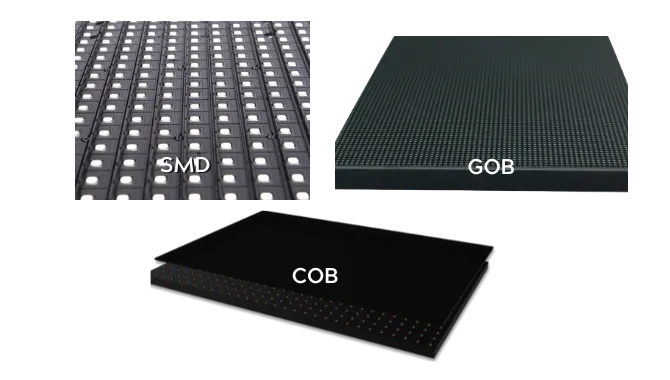
LED packaging technology plays a crucial role in both performance and cost. Traditional SMD (Surface-Mounted Device) modules are widely used and relatively economical, but they offer limited protection against moisture, dust, and physical damage. Advanced packaging methods, such as COB (Chip on Board) and GOB (Glue on Board), enhance durability, improve heat dissipation, and deliver better contrast and viewing angles. COB technology, for example, integrates multiple LED chips directly on a single substrate, reducing gaps between LEDs and improving visual uniformity. GOB involves a protective epoxy layer that shields the LED from environmental damage while maintaining high image quality. These advanced techniques increase manufacturing complexity and require specialized equipment, contributing to higher costs. As a result, indoor LED displays using COB or GOB are more expensive than those using traditional SMD modules.
Refresh Rate, Grayscale, and Driving IC Performance
Refresh rate and grayscale capabilities are central to video performance and significantly influence pricing. High refresh rates, typically 3840Hz or higher, ensure smooth video playback without flickering or visible scan lines, which is especially important in broadcast environments, live events, or areas where viewers are close to the screen. Achieving these refresh rates requires high-performance driving ICs capable of precise timing and signal processing. Similarly, grayscale performance affects color depth and smooth transitions, which are essential for professional-grade displays. Lower refresh rate panels with standard ICs are easier and cheaper to produce, but they may exhibit flicker or color banding under fast-moving content. High-end indoor LED displays with advanced ICs and superior grayscale handling command higher prices due to the additional engineering, quality control, and testing required to achieve professional-grade performance.
Brightness, Contrast Ratio, and Calibration
While indoor LED displays do not require the extreme brightness of outdoor screens, brightness and contrast ratio remain critical for visual quality. Displays with higher brightness and superior contrast deliver more explicit images in ambient lighting, providing a better viewing experience in commercial or professional spaces. Achieving consistent brightness and contrast requires meticulous calibration during production to prevent color inconsistencies between panels, commonly referred to as binning. High-end displays often undergo extended calibration processes to match colors and brightness across modules, ensuring uniformity and reducing visual fatigue for viewers. These calibration steps, combined with high-quality LED chips and precise driving ICs, increase production time and cost but are necessary for premium indoor LED screens used in environments such as executive boardrooms, shopping malls, or exhibition centers.
Indoor LED Display Cabinet Construction and Materials
A high-quality indoor LED display typically uses die-cast aluminum housings, which are lightweight, precise, and allow for seamless panel splicing. Aluminum housings also offer superior heat dissipation, extending the lifespan of internal components and ensuring stable performance. In contrast, iron or other lower-grade metal housings are heavier, less precise, and may require additional modifications during installation. Housing design is a priority for indoor LED displays, which explains their higher price.
Price differences in indoor LED displays are primarily driven by technical factors, including pixel pitch, LED chip quality, packaging method, refresh rate, grayscale, brightness, contrast ratio, and housing structure. Advanced LED manufacturing processes, stringent quality control, and precise calibration all increase the production cost of high-end displays. Higher prices represent better performance, longer lifespan, and more stable visual effects.