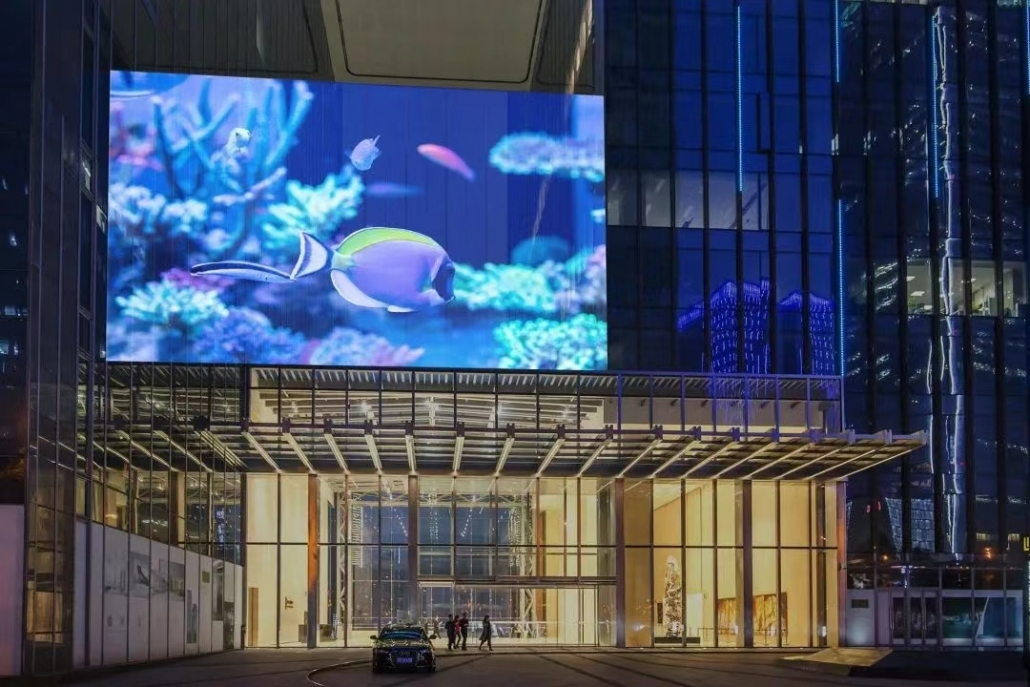
A transparent LED display has changed how digital visuals interact with architecture. Instead of covering walls or blocking glass, it integrates light, structure, and content into a single visual layer. Storefront windows remain open and bright, corporate buildings preserve their architectural language, and exhibition spaces gain dynamic visuals without sacrificing openness.
Nowadays, customization is no longer a niche request. Retail brands, architects, and commercial operators increasingly demand displays that adapt to space rather than forcing space to adapt to the display. Transparent LED display technology was developed with this flexibility in mind. Its modular structure, lightweight design, and adaptable optical performance allow it to meet creative, structural, and branding requirements that traditional LED screens cannot.
Structural Customization Capabilities of a Transparent LED Display
A transparent LED display stands out for its structural adaptability. Unlike conventional cabinet-based screens, many transparent LED solutions use modular panels or film-based designs that can be adjusted in size and shape. This allows displays to follow architectural lines rather than interrupt them. Curved facades, cylindrical columns, angled glass walls, and irregular surfaces can all be accommodated with the proper structural configuration.
Customization begins with dimensions. Panels can be scaled horizontally or vertically, while
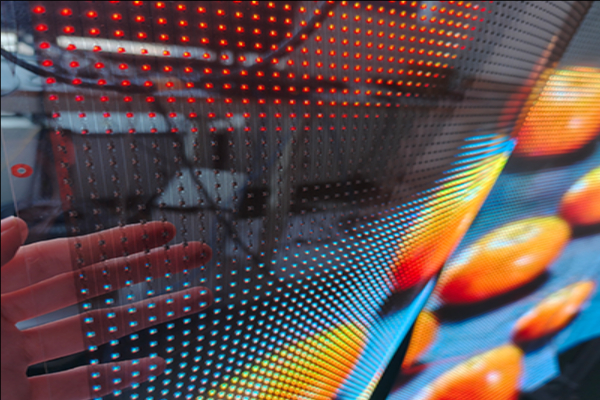
transparent LED film display products can be cut and arranged to fit non-standard glass sizes. This flexibility makes it possible to cover partial windows, entire curtain walls, or selectively highlight architectural features without uniform rectangles.
Weight and thickness also support customization. Lightweight frames and ultra-thin film designs reduce load requirements, allowing installation on existing glass without structural reinforcement. Through advanced LED manufacturing processes, structural strength is maintained even as material usage is minimized.
Visual Performance Customization in a Transparent LED Display
Beyond physical form, a transparent LED display offers extensive customization in visual performance. Pixel pitch is one of the most adjustable parameters. Depending on viewing distance and content type,
pixel pitch can be selected to balance resolution and transparency. Finer pitch supports detailed visuals at close range, while larger pitch increases light transmittance for window-facing applications.
In addition, transparent LED displays can be engineered to operate from indoor-friendly levels around 800 nits to high-brightness outdoor-facing levels exceeding 6000 nits. This range ensures content remains visible whether the display faces direct sunlight or ambient indoor lighting. Brightness customization also helps maintain visual comfort, preventing glare during nighttime operation.
Transparency itself can be tailored. By adjusting LED density and conductive layout, manufacturers can deliver transparency levels suited to branding or architectural priorities. High-transparency solutions preserve clear views through glass, while lower-transparency designs emphasize visual impact.
Installation Methods That Support Creative Design
Installation flexibility plays a significant role in customization potential. Transparent LED displays are available in both rigid panel systems and self-adhesive film formats. Rigid systems provide precision alignment and modular scalability, making them suitable for large commercial facades or long-term installations.
Self-adhesive transparent LED film display solutions offer even greater freedom. These films adhere directly to glass surfaces, eliminating the need for bulky frames or visible mounting structures. This method supports curved glass, angled windows, and unconventional layouts that rigid panels may struggle to accommodate.
Cable routing and power distribution can also be adapted to the environment. Wiring can be concealed along window frames or structural joints, preserving a clean appearance. Flexible installation methods ensure that customization does not compromise aesthetics or disrupt the surrounding space.
Functional and Interactive Customization Options
Customization extends beyond appearance into functionality. Transparent LED displays can integrate interactive features such as touch or gesture recognition. These options transform static glass surfaces into engaging digital interfaces without sacrificing transparency.
In retail environments, interactive transparent displays encourage customer engagement directly at storefront windows. In corporate or exhibition settings, they support wayfinding, presentations, or data visualization layered over real-world views. Functional customization allows the display to serve both informational and experiential roles.
Control systems and content management platforms also support customization. Displays can be synchronized across multiple sections, segmented into independent zones, or programmed to respond to time of day or ambient light conditions. These functional options ensure that the transparent LED display aligns with operational needs as well as visual goals.
Application-Specific Customization of a Transparent LED Display
A transparent LED display adapts easily to different application scenarios, which is why it has become popular across industries. Retail storefronts benefit from high-transparency designs that maintain product visibility while delivering animated promotions. Custom shapes and sizes allow displays to align with branding elements rather than standard screen formats.
Indoor spaces often require refined aesthetics and architectural harmony. Transparent LED displays can be customized to match interior design themes, integrate with glass walls, or wrap around columns. Brightness and resolution can be adjusted to suit controlled indoor lighting, ensuring professional presentation without visual fatigue.
Exhibitions and showrooms demand creativity and rapid deployment. Modular transparent LED solutions support temporary or semi-permanent installations with unique geometries. Customization in these environments emphasizes visual impact, lightweight construction, and quick assembly, all of which transparent LED technology supports effectively.
Is a Transparent LED Display the Right Choice for Customization?
A transparent LED display is not only suitable for customization but was developed to meet that very demand. Its adaptable structure, adjustable visual performance, flexible installation methods, and optional interactive functions provide a level of design freedom that traditional LED displays cannot match.
Customization does not require sacrificing reliability or clarity. Through mature
LED manufacturing techniques, transparent LED displays maintain consistent performance even when tailored to complex shapes or challenging environments. This balance between creativity and stability makes them a practical solution rather than an experimental one.
The transparent LED display stands out as a highly customizable option. When selected and configured thoughtfully, it delivers both visual distinction and seamless integration, answering the customization question with confidence and clarity.