
A buyer comparing indoor video walls often faces the same challenge: a screen may look excellent in a showroom, yet the final installation environment creates different requirements. Viewers may stand closer than expected, the display may operate for long hours, and the surface may be subject to cleaning, dust, or daily contact. A COB LED display can address many close-viewing requirements through chip-on-board packaging, which places LED chips directly on the circuit board and adds surface protection. However, the package structure alone does not determine the final result. Viewing distance, pixel pitch, brightness control, service access, content type, and installation conditions all affect the display’s performance. Before procurement, project teams should understand how the screen will be used, where viewers will stand, and how maintenance will be handled after installation.
Start COB LED display selection with viewing distance
The first step in choosing a COB LED display is identifying the actual viewing distance. Screen size alone does not determine image quality. The nearest viewer position usually decides whether the project needs a tighter pixel pitch or a larger display area. Control rooms, broadcast studios, meeting rooms, and premium retail spaces often require close-range viewing. Operators may need to read detailed information, monitor images, or view fine graphics for extended periods. These environments usually require higher pixel density and stable image performance at different brightness levels.
For example, a control room operator sitting several meters away has different requirements from a customer standing directly in front of a retail display. Project teams should record the closest viewing point, the average viewing distance, and the main content type before confirming the specifications. Pixel pitch should match the actual application environment. A smaller pitch increases image detail, but it also affects budget, processing requirements, and installation planning. Buyers should keep technical measurements consistent when comparing cabinet dimensions, viewing distance, and display layouts. Using recognized measurement standards helps different teams understand specifications correctly during project discussions.
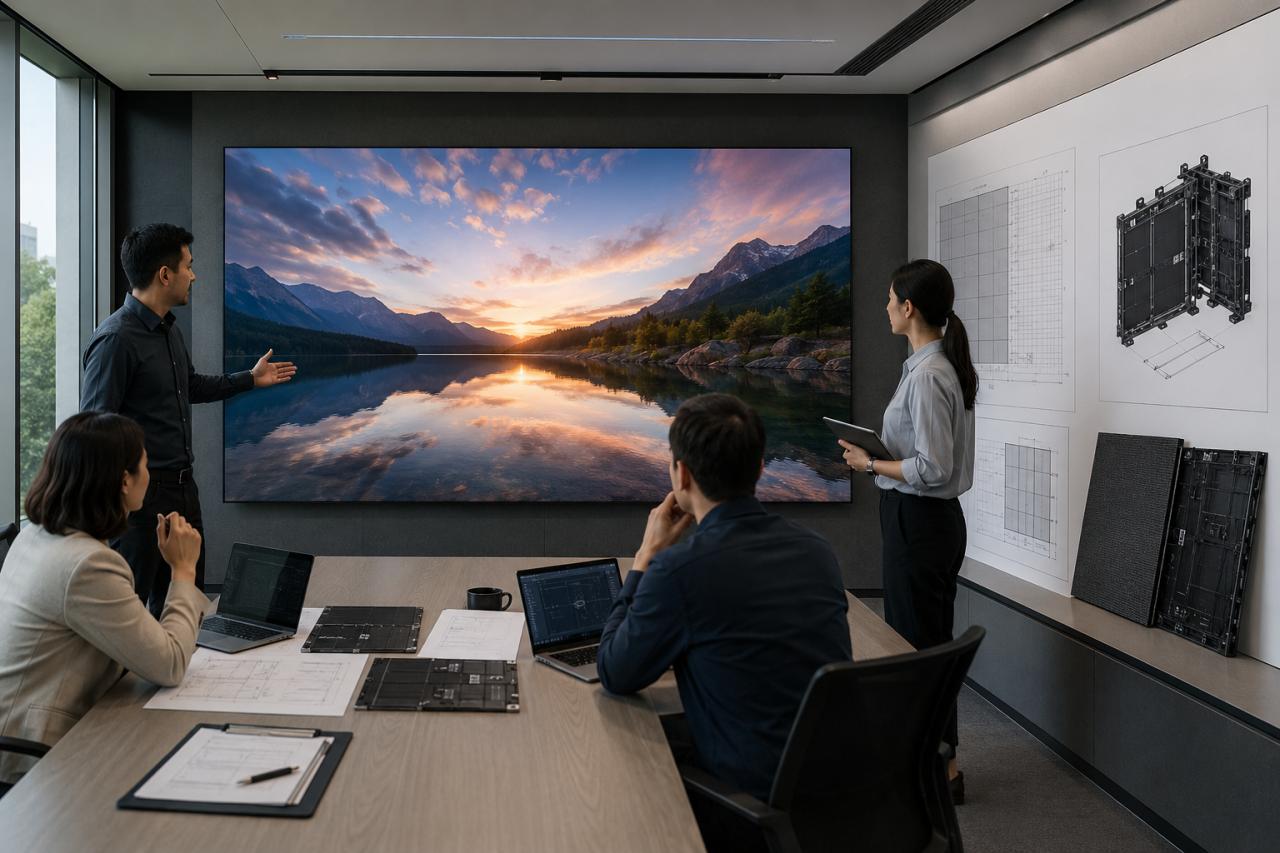
Match the COB LED display protection with the installation environment
COB packaging places LED chips directly on the board and adds a protective layer over the surface. This structure helps reduce the risk of damage during transportation, installation, cleaning, and daily operation. Protection becomes more important in public-facing environments. Showrooms, museums, transportation areas, command centers, and retail spaces may require more frequent contact and cleaning than technical rooms.
However, buyers should evaluate protection based on the actual installation conditions. A screen behind a reception desk faces different risks from a display installed beside a busy exhibition area. When comparing different solutions from LED Display Products, buyers should consider cleaning methods, operating hours, potential physical impact, and future maintenance requirements rather than focusing solely on the packaging technology. For projects involving relocation or repeated installation, teams should also review transportation protection, module replacement procedures, and technician training.
Evaluate image performance beyond pixel pitch
Many buyers associate a COB LED display with high resolution, but pixel pitch represents only one part of the viewing experience. Brightness adjustment, grayscale performance, color consistency, refresh rate, contrast, and calibration technology influence how the display performs in daily use. A screen installed in a dark meeting room requires different brightness control from a display used in a bright commercial space.
Control rooms usually require stable colors and consistent images during long operating hours. Retail environments focus on visual presentation and customer experience. Corporate spaces often need comfortable viewing for presentations, videos, and detailed documents.
Before making a final selection, buyers should test the actual content rather than relying solely on promotional videos. Maps, spreadsheets, product images, human faces, dark scenes, and white backgrounds can reveal image issues that colorful demo content may hide. For buyers comparing different indoor LED displays, viewing distance, application environment, and daily operating conditions should guide the final decision.
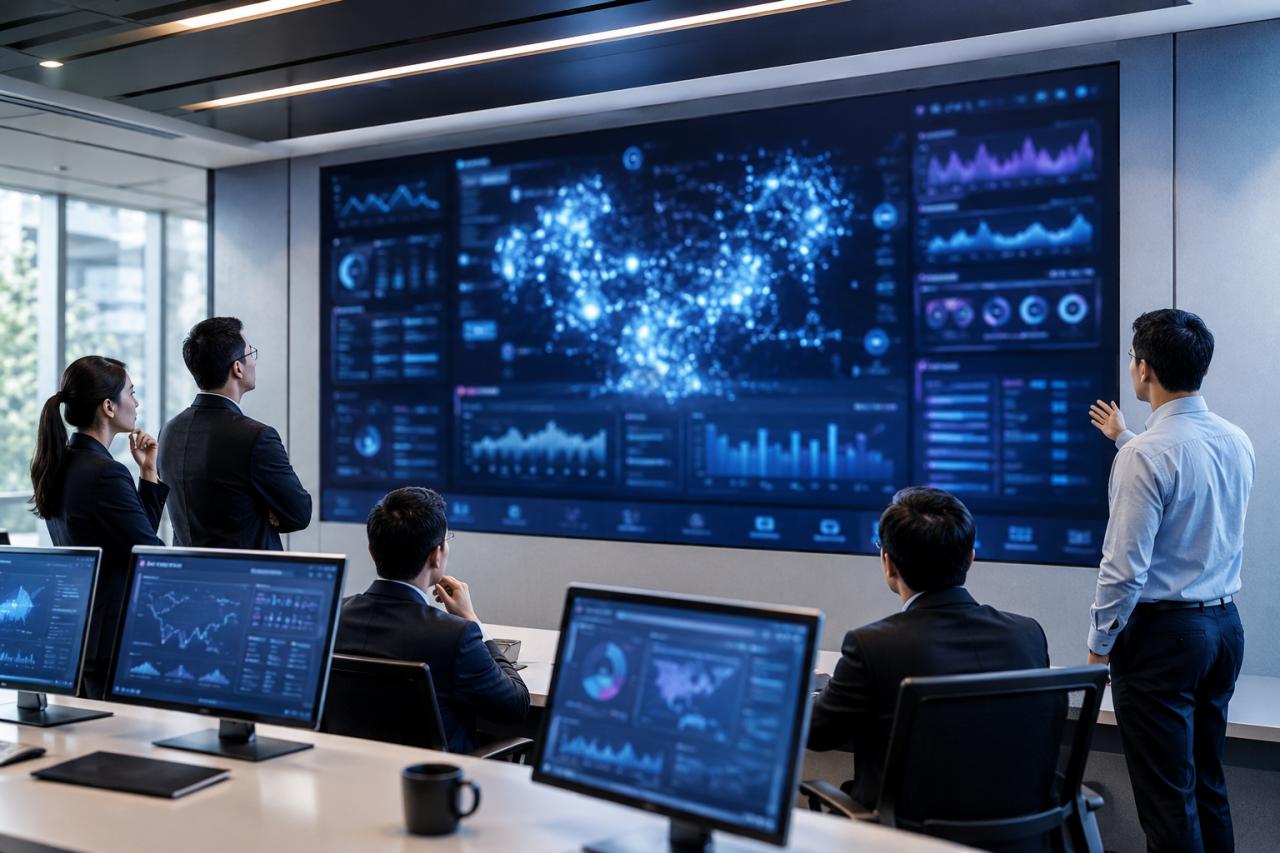
Plan service access before installing a COB LED display
Maintenance planning directly affects the long-term operating cost of a COB LED display project. Many indoor LED walls are installed inside finished spaces where access becomes limited after construction. Front service access can reduce installation depth and simplify maintenance in areas with limited space. Rear service access can work well when technical clearance is available behind the wall. The correct option depends on the building structure, installation location, and maintenance plan.
Before ordering a fine-pitch LED wall such as ITMAX COB LED Display, buyers should confirm:
- Cabinet depth and installation structure
- Power and signal connection layout
- Spare module availability
- Maintenance access direction
- Replacement process after installation
A display may fit the original design drawing, but poor service planning can increase maintenance time and future operating costs.
Avoid common mistakes when buying a COB LED display
One common mistake is selecting the smallest pixel pitch without considering viewing distance. A tighter pitch increases investment and system requirements, while the visual improvement may remain limited if viewers stay far away. Another mistake is comparing only the initial display price. A complete project budget includes controllers, installation structure, calibration, spare parts, transportation, and technical support.
Brightness selection is another area where buyers often make incorrect assumptions. Indoor environments usually require controlled brightness rather than maximum output. A display that cannot adjust smoothly may create uncomfortable viewing conditions in offices, meeting rooms, or studios. Buyers should also avoid treating every indoor project the same way. A retail display, control room, studio background, and conference room each have different requirements for reflection control, color performance, heat management, and maintenance access.
Confirm COB LED display specifications before production
A detailed specification document helps suppliers, installers, content teams, and buyers maintain the same project expectations.
The document should include:
- Active display size
- Pixel pitch
- Cabinet arrangement
- Service direction
- Brightness requirements
- Control system
- Input sources
- Spare parts plan
- Installation limitations
Installation drawings should also show wall openings, cabinet depth, cable routes, ventilation space, and maintenance areas. Clear documentation reduces communication errors between different project teams. When all requirements are confirmed before production, installation becomes easier to manage, and the final display performance more closely aligns with the original project goal.
COB LED display selection depends on real project conditions
A COB LED display delivers stronger value when the audience stays close to the screen, the content requires fine details, and the installation environment requires higher surface protection. Projects such as control rooms, premium retail spaces, meeting rooms, broadcast environments, and commercial interiors need a balance between image quality, reliability, maintenance access, and operating conditions.
Solutions such as M COB LED Display can support projects that require detailed visuals and stable long-term performance. Before procurement, buyers should confirm viewing distance, pixel pitch, brightness control, protection requirements, service method, content type, and installation structure. A selection based on real project conditions helps reduce unnecessary costs and creates a more reliable display solution.