
A sphere display may still play video years after installation, yet its image can become uneven, replacement parts can become harder to source, and maintenance can take longer. For an owner planning a permanent attraction or a reusable event display, “still working” is only part of the lifespan question. No single number of years applies to every installation. LED sphere display lifespan depends on operating hours, brightness, temperature, environmental exposure, handling, and the availability of compatible service parts.
A useful purchase decision starts with understanding what a quoted lifetime actually measures. The operating life of an LED component, the warranty period, and the service life of the complete screen describe different things.
What an LED Sphere Display Lifespan Claim Actually Means
A spherical screen combines LED modules, power supplies, control electronics, connections, and a supporting structure. These parts can require attention at different times. A lifetime figure for one component doesn’t determine how long the whole installation will run without repairs. Ask the supplier what their published figure covers and the conditions behind it.
| Term | What it describes | What buyers should confirm |
|---|---|---|
| LED component lifetime | Expected component performance under specified conditions | Test conditions and the performance threshold used |
| Display service life | How long the complete system remains useful and maintainable | Required repairs, acceptable image quality, and parts support |
| Warranty period | The supplier’s contractual coverage | Covered parts, exclusions, labor, and transport arrangements |
| Maintenance interval | When inspections or service tasks should occur | The schedule for the actual installation and environment |
LEDs can lose light output gradually rather than failing suddenly. The U.S. Department of Energy explains this behavior through the concept of LED lumen depreciation. That lighting reference helps explain gradual aging; it does not certify the lifespan of an RGB video display. For a screen, color consistency, pixel faults, controller reliability, and service access also influence how long owners can keep using it.
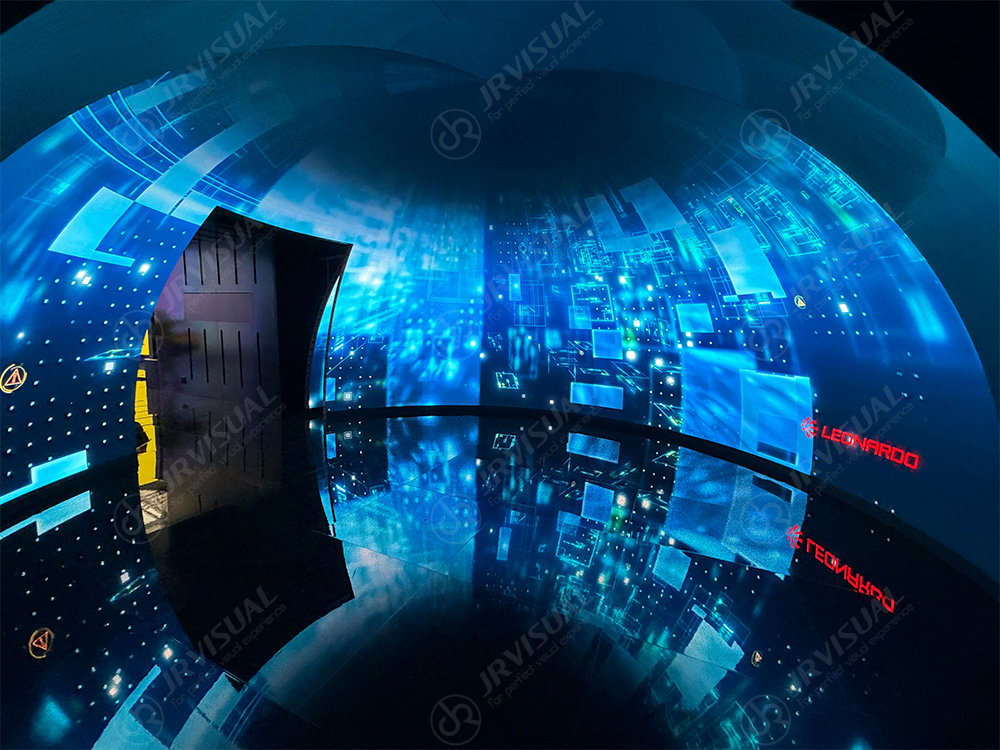
Daily Operating Hours Change the Service-Life Calculation
A display used for occasional exhibitions accumulates operating hours differently from one running throughout a shopping center’s opening hours.
Start with the intended schedule:
Annual operating hours = daily operating hours × operating days per year
| Illustrative schedule | Annual operating hours |
|---|---|
| 8 hours per day, 300 days per year | 2,400 hours |
| 12 hours per day, 365 days per year | 4,380 hours |
| 16 hours per day, 365 days per year | 5,840 hours |
These calculations describe usage. They do not predict failure dates or guarantee a number of service years. When comparing an LED sphere for rental and fixed installation, provide the actual operating schedule. Include event preparation, rehearsals, and testing time where relevant. Scheduled shutdowns can reduce accumulated operating hours. Follow the manufacturer’s instructions for shutdown, restart, and environmental control rather than repeatedly cycling power during normal use.
Heat, Brightness, and Environment Affect LED Sphere Aging
A screen’s operating conditions influence the stress placed on its components. Assess the completed installation, including the space around and inside the sphere.
Keep Ventilation Paths Clear
The sphere’s outer shape can hide restricted airflow or inaccessible internal components. Decorative enclosures, ceilings, nearby structures, and post-installation changes may affect ventilation. Confirm the required clearance and cooling arrangement with the supplier. A room’s comfortable temperature does not prove that every internal component is operating within its approved range. Have trained personnel investigate blocked airflow, unusual heat, or repeated temperature-related alarms.
Set Brightness for the Viewing Conditions
An indoor sphere should remain comfortable to view while providing sufficient contrast for the surrounding light. Running at maximum brightness simply because the setting is available can increase power and thermal demands. Select operating settings within the approved configuration and confirm them during commissioning. If the venue becomes brighter after renovation, reassess the installation rather than increasing output without checking the system’s limits.
Match the Screen to Its Environment
Indoor and outdoor models have different environmental requirements. Confirm the rating and conditions for the complete assembly, including connections, service openings, and supporting electronics. Moisture, condensation, dust, and direct sunlight can create different maintenance demands. A sheltered entrance may still expose a display to wind-driven rain or temperature changes. Do not assume that a protective surface treatment makes an indoor screen suitable for outdoor use.
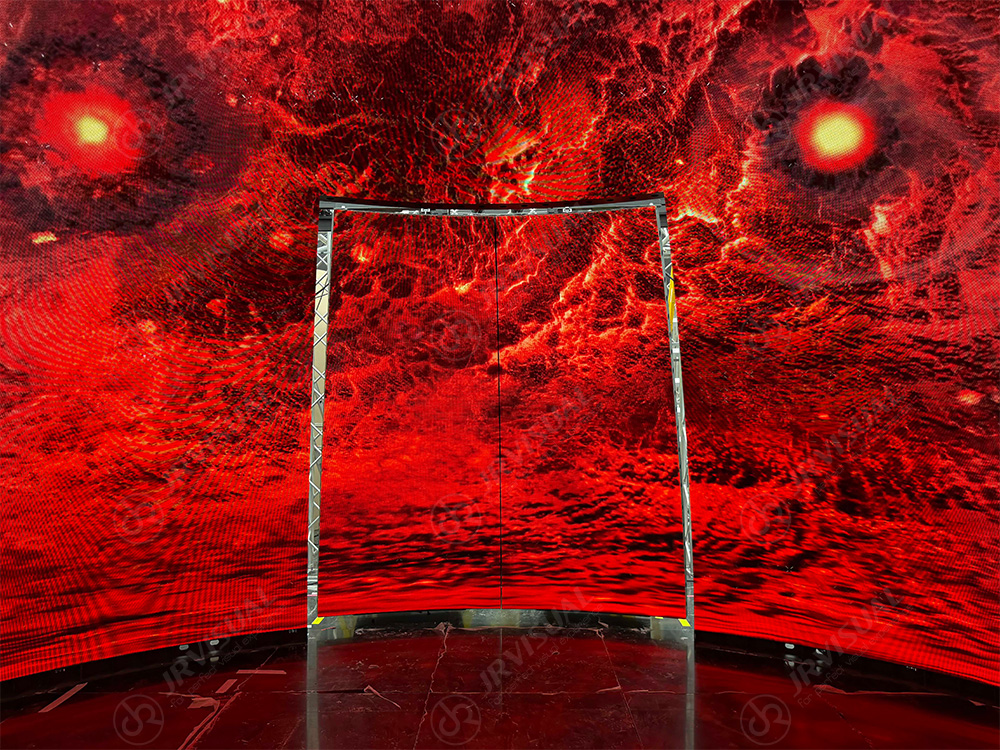
Rental and Fixed Spherical LED Displays Face Different Wear
A permanent installation may accumulate more operating hours, while a rental unit may experience more transport, assembly, and handling. For rental use, inspect the screen after each event. Record impact damage, connection problems, mounting wear, and visible image changes. Approved protective cases and handling methods help reduce avoidable damage between venues. For fixed installations, plan access before finalizing the location. A suspended sphere above a public area may require lifting equipment, restricted access, and coordination with venue operations for any servicing.
When choosing a spherical LED display, ask how the selected design supports inspection and module replacement in the proposed position. Floor-standing and hanging installations need their own access plans. A screen that can be serviced efficiently is easier to keep operational as individual components age.
Spare Parts and Calibration Influence Useful Display Life
A working replacement module must fit the original electrical, mechanical, and control configuration. For a sphere, its shape and position within the assembly can also matter. Before purchase, ask how the supplier identifies replacement sections and which spare parts to keep on site.
Confirm these points:
- Module identification and position within the sphere.
- Compatible power supplies and control components.
- Configuration-file and calibration-data backups.
- Replacement-part availability and ordering procedures.
- Color and brightness matching after replacement.
- Support options if the original component becomes unavailable.
A new section may look different from older surrounding modules. Ask how the supplier assesses and manages that difference before ordering a replacement. Ask suppliers such as JR Visual to confirm support arrangements for the exact project configuration. Record product availability and service commitments in the quotation or contract.
Signs That an LED Sphere Needs Assessment
Visible aging does not always require replacing the entire screen. It does justify checking image quality and system condition before faults disrupt normal operation.
| Observation | What to investigate |
|---|---|
| One section appears darker | Calibration, settings, connections, or module condition |
| Color differences become noticeable | Configuration, calibration, replacement history, or component aging |
| Pixel faults increase | Local damage or broader module-condition problems |
| Flickering repeatedly returns | Signal, power, connections, or configuration |
| Breakdowns become more frequent | Repair history and underlying causes |
| Servicing takes longer | Access restrictions, obsolete parts, or incomplete documentation |
Keep photographs taken under similar content, brightness, and ambient-light conditions. This makes comparisons more useful than unrelated phone images taken months apart. A technician should diagnose the cause before operators compensate by changing settings. Raising brightness may temporarily hide a darker section while leaving the underlying problem unresolved.
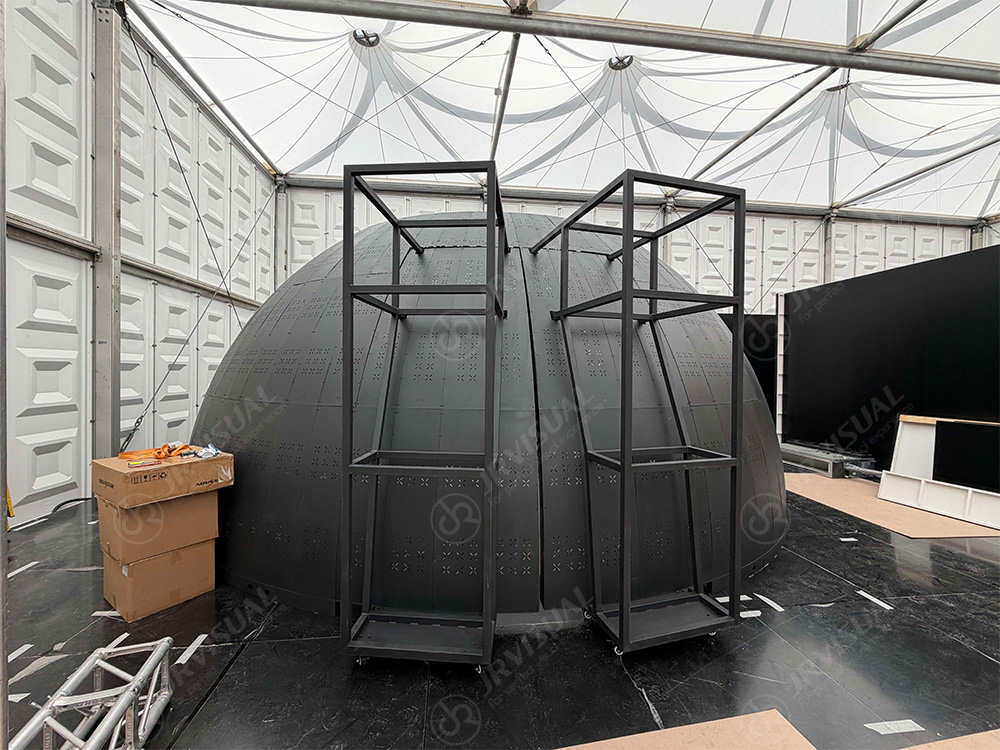
LED Sphere Lifespan Questions Buyers Often Ask
Buyers usually want to know how long the screen will remain dependable and what happens when parts wear out. These questions help turn a general lifespan discussion into a practical ownership plan.
Can an LED Sphere Display Run All Day?
Use a full-day operating schedule only if the selected system and installation support it. Confirm the approved duty cycle, cooling conditions, brightness, and inspection requirements with the supplier. An appropriate operating schedule depends on the complete system, not the spherical shape alone.
Does One Failed Module Mean the Entire Sphere Needs Replacing?
Not necessarily. You may replace a compatible serviceable module after the fault is diagnosed. The supplier must confirm the correct section, replacement procedure, configuration, and visual match. Some faults originate in shared power or control components rather than the module itself.
Does GOB Protection Guarantee a Longer Lifespan?
No. GOB treatment may provide surface protection appropriate to the specified product, but it does not establish the life of the complete display. Power supplies, connections, control electronics, environmental conditions, and handling still affect reliability. Ask which risks the treatment addresses and what maintenance the coated module requires.
An LED Sphere Lasts as Long as Its Image and Serviceability Meet the Project’s Needs
A dependable lifespan estimate needs defined operating conditions, acceptable image quality, and a realistic maintenance plan. A large advertised hour figure alone cannot answer how many years a particular venue will obtain from its screen. Before ordering, discuss the installation requirements with the supplier. Provide the operating schedule, indoor or outdoor location, mounting arrangement, ambient conditions, and service-access limitations. Request the basis for any lifespan claim, the warranty terms, and the replacement-parts plan. Those details make the expected ownership period easier to assess and help determine when repair, refurbishment, or replacement becomes appropriate.