
World Cup-scale events need to communicate with large crowds moving through entrances, public areas, sponsor zones, hospitality spaces, and viewing areas. Their promotional impact does not come from screen size alone. Audience flow, display placement, content hierarchy, viewing distance, and recognizable visual landmarks all shape the visitor experience. Other event projects do not need to copy the scale or budget of a World Cup venue. They can apply the same planning methods to concerts, exhibitions, product launches, corporate events, community programs, pop-up stores, and retail promotions. Transparent LED screens for events allow organizers to combine digital content with stages, buildings, products, and interior spaces without completely blocking the background.
What Can Event Promotion Learn From the World Cup?
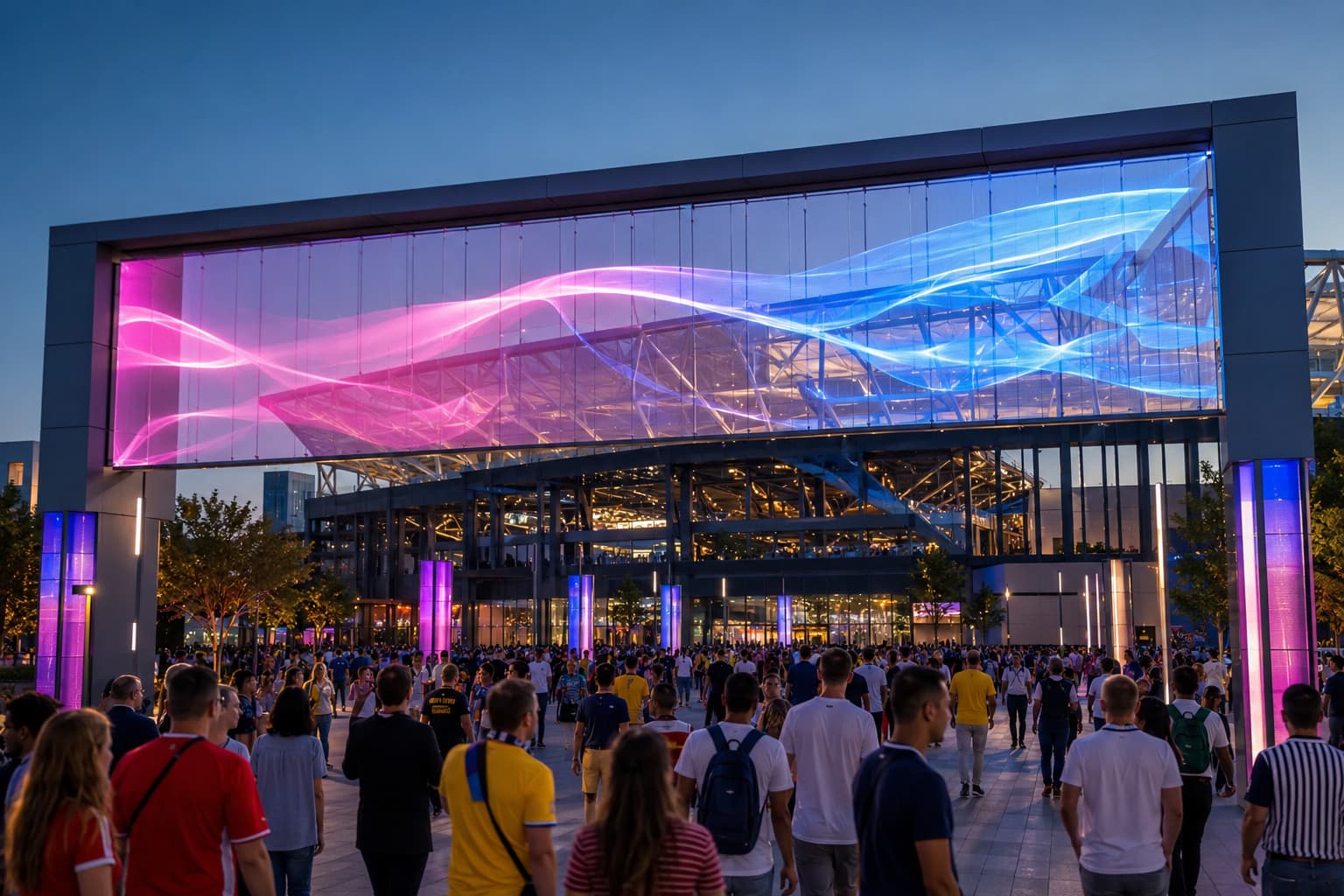
World Cup promotion follows the complete audience journey. Visitors may first see the venue from a road, public plaza, or transport station. They then pass through entrances, security areas, corridors, commercial zones, and main activity spaces. Each stage creates a different communication opportunity. An outdoor display can establish the event identity before visitors reach the entrance. Entrance displays can present schedules, sponsors, and directional information. Screens near the main activity area can strengthen the atmosphere, while exit displays can promote future events or direct visitors toward transport and services. Event organizers should therefore map audience movement before deciding where to install displays.
Each screen area also needs a clear purpose. Showing the same promotional video in every location wastes valuable display space. Different areas can handle:
- Event branding
- Schedule information
- Product promotion
- Directional guidance
- Sponsor exposure
- Social media interaction
Large sporting events also create one recognizable visual landmark. Smaller projects can follow the same approach by building a transparent stage wall, digital entrance, suspended display, or branded photo area.
How Transparent LED Screens for Events Support Large Promotions
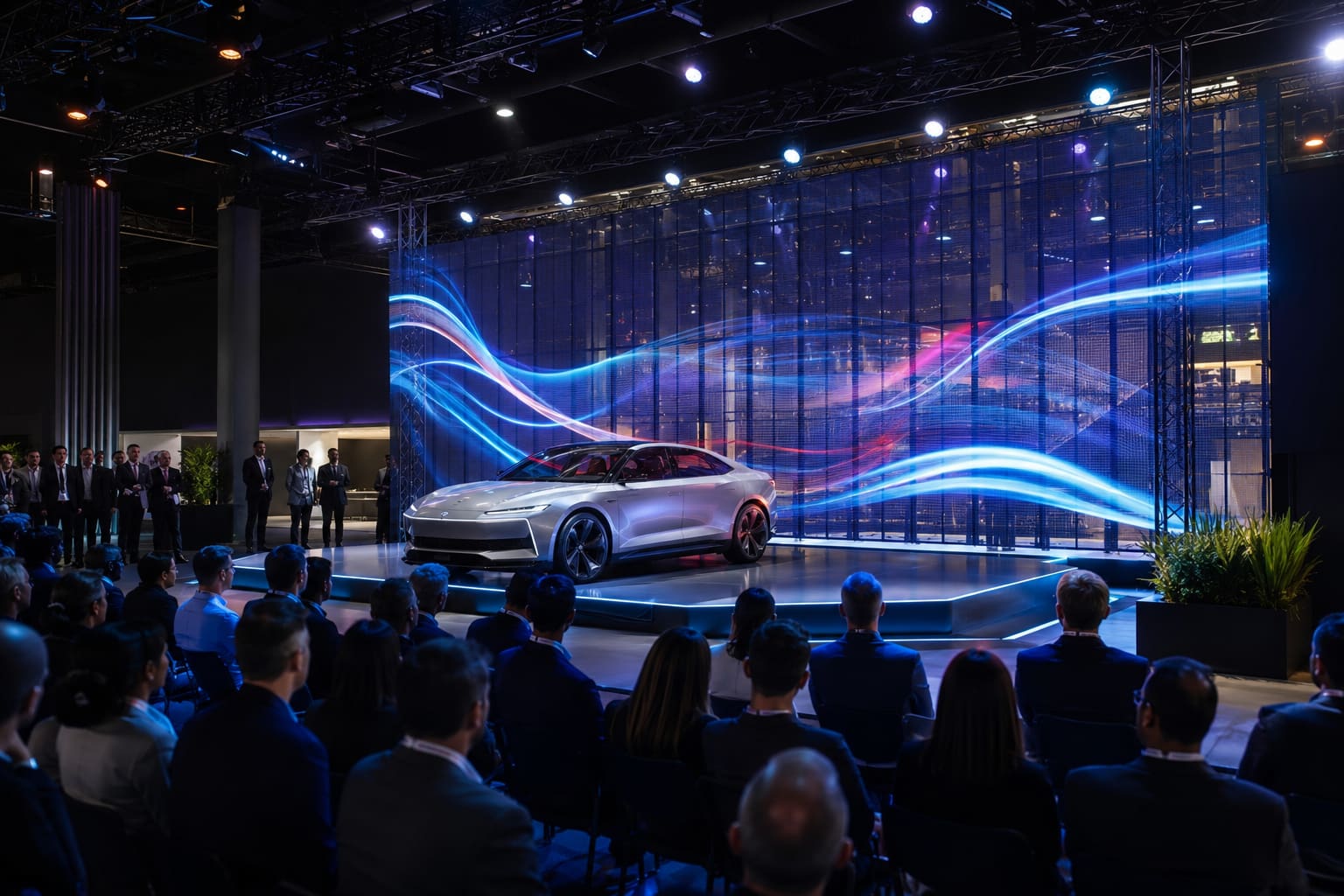
Large concerts, festivals, sports events, city celebrations, and automotive launches require displays that remain visible across wide spaces. Content for these projects should use large subjects, strong shapes, short messages, and clear movement. Small text and complex product specifications usually become difficult to read when viewers stand far from the screen. Transparent structures allow designers to combine digital images with lighting, architecture, stage equipment, and physical scenery. A Transparent LED Display can support large stages, exhibition spaces, commercial buildings, and event entrances without creating a completely solid visual wall.
Large projects must also consider engineering conditions. The project team should review:
- Screen weight
- Wind exposure
- Support points
- Waterproofing
- Cable routes
- Power distribution
- Emergency access
- Maintenance space
Temporary projects still require proper structural planning. The UK Health and Safety Executive provides guidance for the safe construction and dismantling of temporary demountable structures used at events.
For exposed entrances, plazas, and building façades, an outdoor transparent LED display may provide a more suitable structure than an indoor transparent panel. Weather protection, brightness, cabinet design, viewing distance, and maintenance access should all influence product selection.
How Transparent LED Screens for Events Fit Medium-Sized Projects?
Trade shows, regional competitions, corporate functions, shopping mall campaigns, and medium-sized product launches rarely need stadium-scale screen areas. They still need a clear visual hierarchy.
A medium-sized event can focus its budget on three main areas:
- A primary display behind the stage or product
- An entrance display that introduces the activity
- A smaller brand or interaction area
This structure follows the same planning logic used by major sporting events while reducing screen area and technical complexity. Modular transparent LED panels can work well in exhibition stands, shopping mall atriums, reception areas, launch stages, and product experience zones. Organizers can adjust the width and height according to the venue instead of building an oversized background. Viewing distance becomes more important as audiences move closer. A display designed for a large outdoor plaza may look coarse inside a compact exhibition booth. The project team should evaluate pixel pitch, brightness, transparency, camera performance, and the nearest viewing position together. Medium-sized events can show more detail than stadium screens, but each scene should still communicate one clear message.
How Transparent LED Screens for Events Work in Small Venues?
Small launches, community events, private functions, indoor performances, and compact exhibitions benefit from a more controlled display layout. Filling every available wall with moving content can make a small venue feel crowded. One strong display point usually works better.
The screen may be positioned:
- Behind a featured product
- Beside the registration area
- Above a small stage
- Inside a photo area
- Near the venue entrance
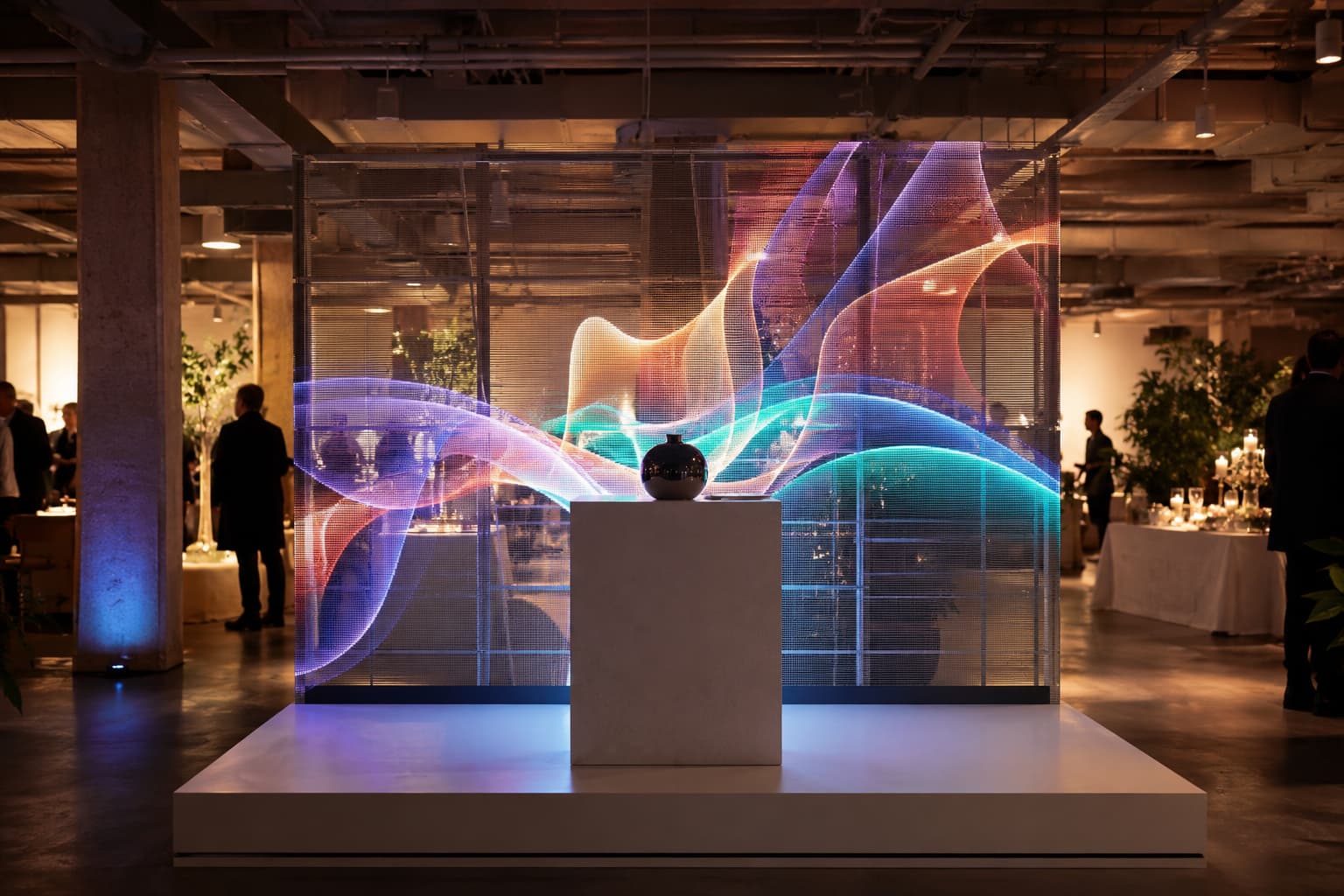
Transparent screens can preserve the original environment behind the display. Visitors can still see decorations, lighting, products, architectural details, and people through the screen. This layered effect gives small spaces more visual depth and prevents the display from dividing the venue. Small projects still need technical planning. Organizers should confirm the closest viewing distance, available installation height, entry dimensions, power access, setup time, ventilation, and maintenance method. An indoor transparent LED panel may suit a reusable event structure. A lightweight film product may work better on existing glass. Equipment designed for distant outdoor viewing may provide poor image detail in a close indoor environment.
How Retail Events Can Apply World Cup Promotion Lessons
Retail campaigns and pop-up stores share an important challenge with major sporting events: they only have a few seconds to attract people moving past the space. A storefront should work like an event entrance. The display needs to communicate the brand, featured product, campaign theme, and reason to enter before the viewer walks away.
Transparent LED displays can place animated graphics in front of products while keeping the store interior visible. This makes them suitable for:
- Glass windows
- Temporary mall spaces
- Product showrooms
- Display cabinets
- Branded pop-up stores
- Seasonal retail campaigns
For glass surfaces, an LED film screen can provide a thin installation while maintaining visibility through the window. The project still needs to check glass dimensions, surface condition, brightness, wiring, control equipment, and maintenance access before installation. Retail content also changes more frequently than stadium event content. A structured content plan may include new product releases, limited-time promotions, seasonal campaigns, demonstrations, brand stories, and social media prompts. A transparent LED film display should leave enough visual space for customers to see the products behind it. The digital content should support the merchandise instead of covering it.
Which Transparent LED Screen Suits Each Event Scale?
Transparent LED Display is a broad category that includes several different product structures. An LED mesh, transparent LED panel, and LED film screen may all provide a see-through effect, but they do not serve the same installation conditions. Large outdoor events may require an LED mesh or outdoor transparent structure that supports large screen areas, high brightness, and long viewing distances. Exhibitions and product launches may need panel-based systems that provide clearer images at medium viewing distances. Small indoor events usually require compact structures, suitable pixel pitch, and controlled brightness. Retail windows often benefit from thin film products that can integrate with existing glass.
Before selecting a system, project teams should compare:
- Indoor or outdoor environment
- Nearest and farthest viewing distance
- Required screen dimensions
- Pixel pitch
- Ambient light
- Transparency
- Supporting structure
- Installation period
- Content detail
- Maintenance method
The promotional objective should guide the final choice. A screen designed to become a distant architectural landmark will not automatically work as a close product display.
Transparent LED Screens for Events Can Scale World Cup Promotion Ideas
Other events do not need a World Cup budget to apply World Cup promotion lessons. Large projects can create recognizable visual landmarks and connect digital content with buildings or stages. Medium-sized events can reduce the screen area while preserving a clear entrance, main display, and interaction zone. Small venues can use one strong visual point while keeping the original environment visible. Retail events can turn glass storefronts into promotional entrances without hiding the products behind them. Successful projects begin with the audience journey, viewing distance, promotional objective, and installation environment. Equipment selection should follow those decisions. This process allows transparent LED screens for events to support communication, visitor movement, brand exposure, and product presentation instead of becoming an isolated technical feature.
FAQs About Transparent LED Screens for Events
What are transparent LED screens for events used for?
They can support stage backgrounds, entrances, exhibition stands, product launches, retail promotions, sponsor areas, architectural displays, and branded interaction zones.
Can transparent LED screens work in small venues?
Yes. Small venues should choose a suitable screen size, pixel pitch, brightness, and installation method based on close viewing distances and limited space.
Are transparent LED screens suitable for retail windows?
Yes. Panel and film-based products can display promotional content while allowing customers to see products and interior spaces behind the screen.
What is the difference between an LED mesh and an LED film screen?
LED mesh generally suits larger structures and longer viewing distances. LED film is thinner and is often installed on glass in retail, showroom, and compact commercial applications.
How should an event project choose pixel pitch?
The project should consider the closest viewing distance, screen dimensions, content detail, budget, and camera requirements. Closer audiences usually require a smaller pixel pitch.
Can transparent LED screens be reused?
Many modular panel systems can be reused and reconfigured. The project team should confirm cabinet design, transportation protection, installation method, and compatibility with future venue layouts.