
You may have noticed that COB LED display are becoming increasingly popular, both indoors and outdoors. Many might wonder how these displays manage to be both energy-efficient and excellent at heat dissipation. The secret lies in the clever design and the choice of materials. It’s due to deep optimisations in structure and craftsmanship that COB technology performs so well in energy consumption control and heat management. Today, let’s break down the core logic behind it.
Key Ways for COB LED Display to Save Energy and Dissipate Heat
First off, the energy saving and heat dissipation of COB LED displays are closely tied to their core technology and structural design. Unlike traditional displays, COB LED displays use an integrated design that basically solves the common issues of high energy consumption and poor heat management. What’s more, cob led screen also inherits this great advantage, so it maintains stable energy-saving performance no matter where you use it. Additionally, chip-on-board LED display relies on optimised processes to make energy use more efficient and heat conduction smoother, which fits perfectly with today’s focus on energy conservation.
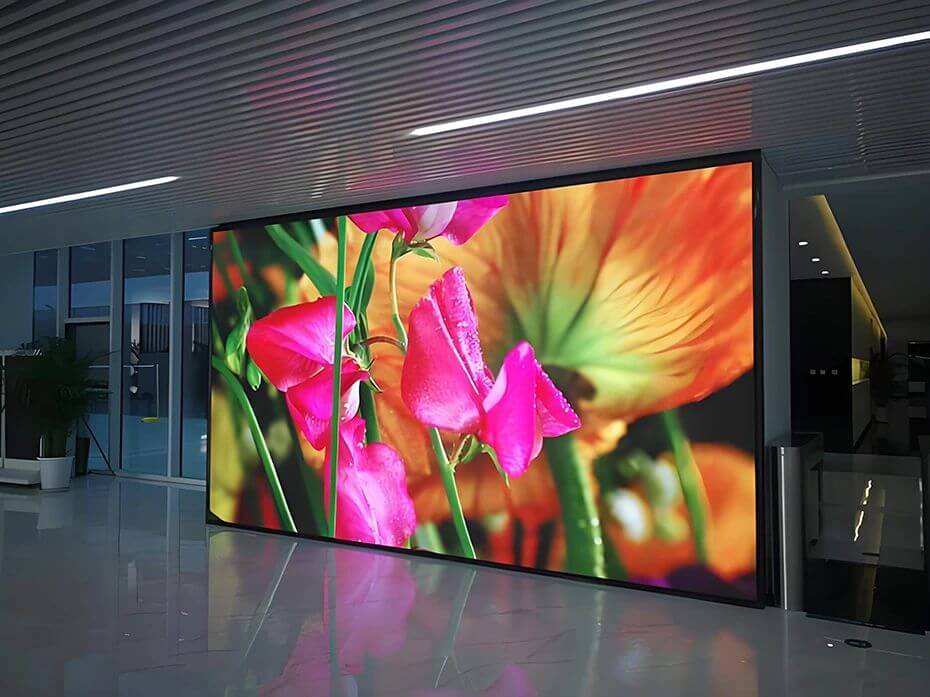
Integrated COB Packaging Core of Energy Saving and Heat Dissipation
Integrated COB packaging is the core to the high energy efficiency and excellent thermal management of COB LED displays. Unlike traditional SMD packaging, COB integrates multiple LED chips directly on a single substrate, simplifying the structure and shortening heat dissipation paths. This reduces energy loss at connections and quickly dissipates chip heat, avoiding overheating and energy waste. Its flip-chip design also brings chips closer to the substrate, improving thermal conductivity, lowering circuit resistance, and further cutting energy loss during current transmission.
Flip Chip Design Reduces Energy Use and Heat
The flip-chip design is a key component of COB packaging, and it has a significant impact on the energy efficiency and heat dissipation of COB LED displays. Flip-chip technology in COB LED displays can reduce energy consumption by 20% to 30% while maintaining the same brightness. This is because it shortens the distance between the chip and the substrate, thereby reducing thermal resistance and energy loss. COB LED screens also utilise this design, allowing them to remain cool during operation without compromising display quality.
Integrated Substrate Improves Heat Conduction
The integrated substrate in COB LED displays is of critical importance. COB displays typically use ceramic or metal substrates, which have significantly higher thermal conductivity than traditional PCBs. This allows heat generated by the chips to be rapidly transferred to the substrate and dissipated into the air. High-thermal-conductivity substrates ensure that the device can dissipate heat efficiently during operation. Uniform heat distribution not only improves energy efficiency and extends service life but also enables COB LED displays to maintain stable operation even in high-temperature environments.
Take our product as an example: the iX-COB utilises the same integrated COB packaging technology as COB LED displays and offers two key advantages. Its flip-chip design boosts energy efficiency by 40%, while the high-quality integrated substrate enhances thermal conductivity, enabling stable, round-the-clock operation without any issues.
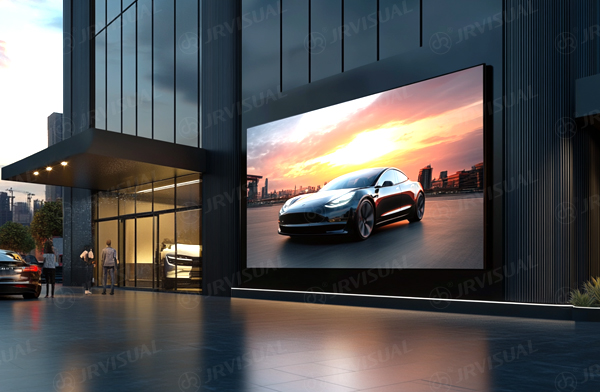
Auxiliary Tech and Materials for COB LED display Energy Saving
Beyond integrated COB packaging, the auxiliary technologies and materials of COB LED display also play a big role in energy saving and heat dissipation. These measures work alongside the core technology to make the overall performance even better. Cob led screen also focuses on choosing the right auxiliary tech and materials, which helps enhance its energy-saving and heat-dissipating effects. At the same time, chip-on-board LED display uses advanced auxiliary technologies to cut down on energy use and improve heat dissipation. Choosing the right auxiliary tech and materials isn’t random—it has to match the COB LED display’s core technology to get the best results. Whether you’re picking driving technology or substrate materials, it should align with the characteristics of the COB LED display. This way, all parts work together smoothly to maximise energy saving and heat dissipation.
Efficient Driving and Structure Reduce Loss Boost Heat Dissipation
Efficient driving technology is key to energy saving for COB LED displays. Using high-efficiency constant current drivers, it precisely controls the current of each LED chip, avoiding energy waste from excessive current and maintaining optimal working conditions, thus reducing energy loss during operation. In addition, the scientific structural design enhances heat dissipation. The slim and lightweight body increases contact with air for better heat release, while reasonably arranged heat dissipation holes ensure smooth air flow to take away heat. This lightweight structure also makes installation more convenient.
High Quality Materials Assist Energy and Heat Management
High-quality materials are the foundation of the COB LED display’s energy saving and heat dissipation. COB LED display uses LED chips that are bright but low in power. These chips convert electrical energy into light more efficiently, so less energy is wasted as heat. Cob LED screen uses these same high-quality chips too, so it saves energy well while still being bright.
In addition, the shell and heat dissipation components of the COB LED display are made of high thermal conductivity materials. These materials quickly transfer heat from the internal chips to the outside, which improves heat dissipation efficiency. For a chip-on-board LED display, high-quality materials not only enhance performance but also make it more durable and longer-lasting. This makes the COB LED display more reliable for long-term use and lowers maintenance costs later on.
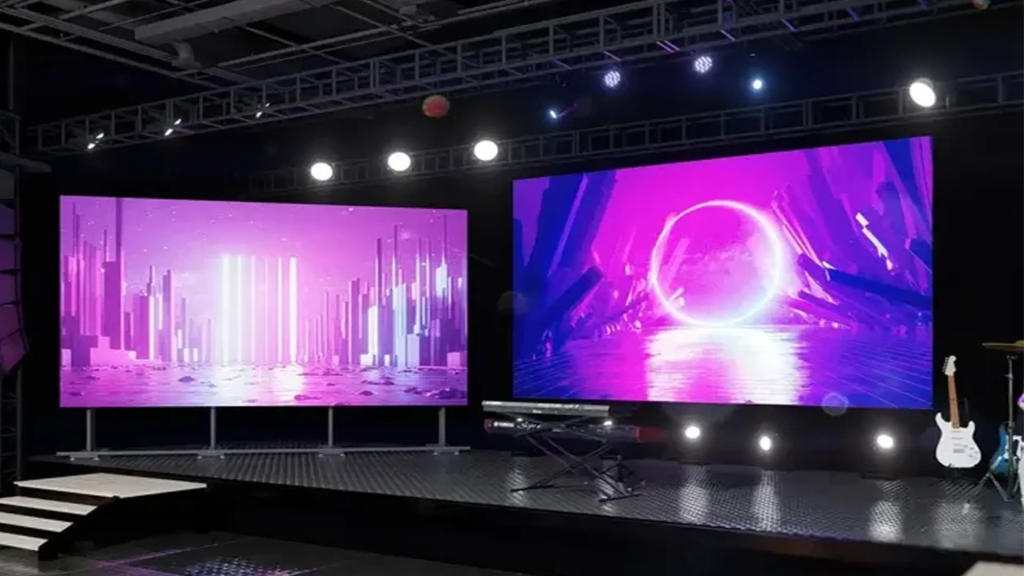
COB LED Display Heat Dissipation for Stable Operation
The high energy efficiency and robust heat dissipation of COB LED displays directly translate into lower operating costs and a longer service life. By integrating advanced packaging, efficient driving technology, a scientific structural design, and high-quality materials, COB LED displays establish a highly energy-efficient and thermally optimised operating system, ensuring long-term stability. This technological core supports every screen built with COB architecture, allowing it to handle diverse display requirements with ease.