
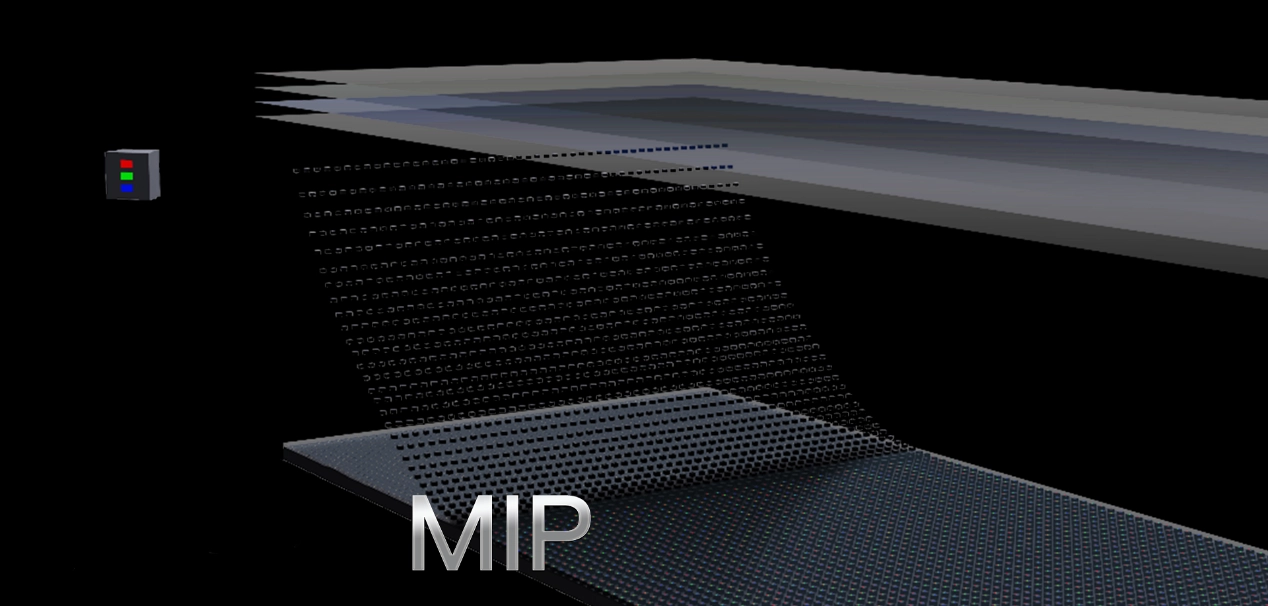
MIP LED displays represent a significant advancement in LED packaging technology. Unlike traditional SMD or COB LED displays, MIP LED displays encapsulate tiny LED chips into compact, standardized packages before mounting them onto a PCB. This approach enables manufacturers to achieve greater precision, higher yield rates, and more consistent performance across the entire MIP LED screen.
From JRVISUAL’s product management perspective, MIP LED displays are positioned as a bridge between traditional LED displays and next-generation MicroLED technology. They combine the scalability of SMD processes with the performance advantages of MicroLEDs, making them ideally suited for high-end indoor applications that demand fine pixel pitches and exceptional visual quality. In practical terms, this means customers can achieve visual performance approaching that of MicroLEDs without incurring the high costs and manufacturing constraints currently associated with dedicated MicroLED solutions.
The Manufacturing Process of MIP LED Display
The production process for MIP LED displays involves several critical steps, including chip integration, packaging, binning, and SMT placement. Each LED package undergoes pre-testing before assembly, a practice that significantly boosts overall production efficiency and reduces defect rates. Consequently, MIP LED displays offer higher reliability and lower maintenance costs compared to many traditional display technologies. Furthermore, this manufacturing process allows for tighter control over color consistency and brightness uniformity at the package level. Since every individual unit undergoes testing before final assembly, manufacturers can enforce stricter binning standards and directly enhance the visual consistency of the entire display wall. This is particularly crucial in applications such as control rooms and broadcast studios, where even minute discrepancies can compromise the overall viewing experience.
Advantages and Applications of MIP LED Display
One of the most significant advantages of MIP LED displays lies in their exceptional optical performance. Thanks to their compact packaging structure, MIP technology supports ultra-fine pixel pitches—such as P0.9, P1.2, and P1.5—making them an ideal choice for close-range viewing environments.
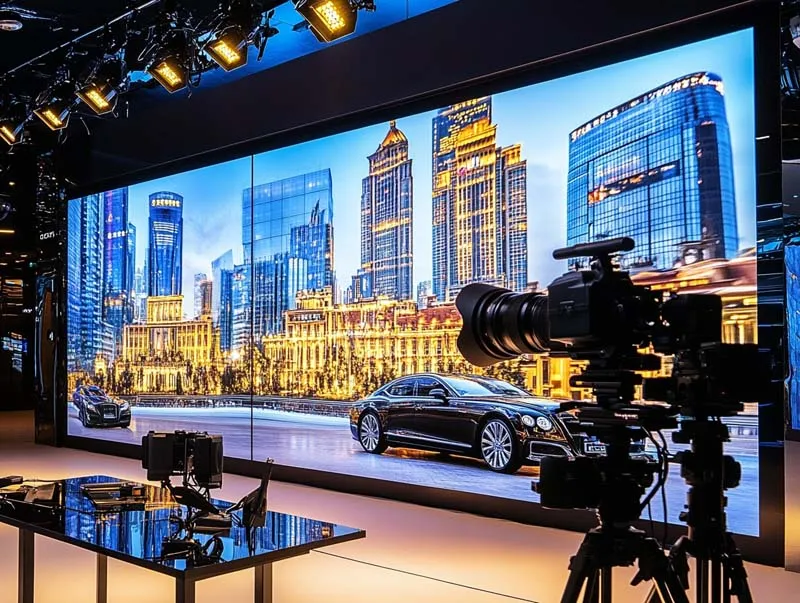
Additionally, MIP LED displays deliver higher contrast ratios, deeper blacks, and superior color uniformity. These attributes are essential for applications with exacting requirements for image clarity and consistency, such as broadcast studios, control rooms, and high-end retail environments. Furthermore, high refresh rates and advanced grayscale processing technologies ensure that MIP LED screens perform exceptionally well in camera-based environments, minimizing flicker and visual artifacts. Moreover, optimized light distribution within each package helps to widen viewing angles and reduce color shift, ensuring consistent image quality for viewers regardless of their position. This makes MIP LED displays particularly well-suited for large audiences and immersive environments.
Mechanical Reliability and Maintainability
From a structural perspective, MIP LED displays strike an excellent balance between durability and maintainability. Each LED is protected by its individual package—a feature that, compared to COB technology, significantly enhances its resistance to physical damage.
Additionally, they support modular repair strategies similar to those used for SMD displays. This means that technicians can typically replace damaged components at the module or package level, eliminating the need to replace the entire panel. For customers, this translates to reduced downtime and a lower total cost of ownership, particularly in long-term installations. Furthermore, the robust packaging structure mitigates the risk of dead pixels caused by external impacts or environmental factors—a common issue in high-traffic environments. This inherent durability makes MIP LED screens the optimal choice for applications where performance stability and minimal maintenance disruption are paramount.
Application Scenarios for MIP LED Display
MIP LED displays are particularly well-suited for environments demanding high resolution and exceptional visual performance. Typical applications include:
- Broadcast Studios and Virtual Production
- Command and Control Centers
- Corporate Showrooms and Conference Rooms
- Luxury Retail Displays
- Museums and Exhibition Spaces
While MIP LED screens excel in fine-pitch indoor applications, other technologies—such as SMD or COB—may remain the preferred choice for large-scale outdoor installations where cost-effectiveness and extreme brightness are the primary considerations. Furthermore, MIP LED displays are increasingly being adopted in emerging fields such as XR virtual production and digital art installations; these sectors demand extremely high pixel density and color accuracy, capabilities through which MIP LED screens deliver seamless visual effects and immersive experiences.
Exceptional Optical Performance, Enhanced Durability
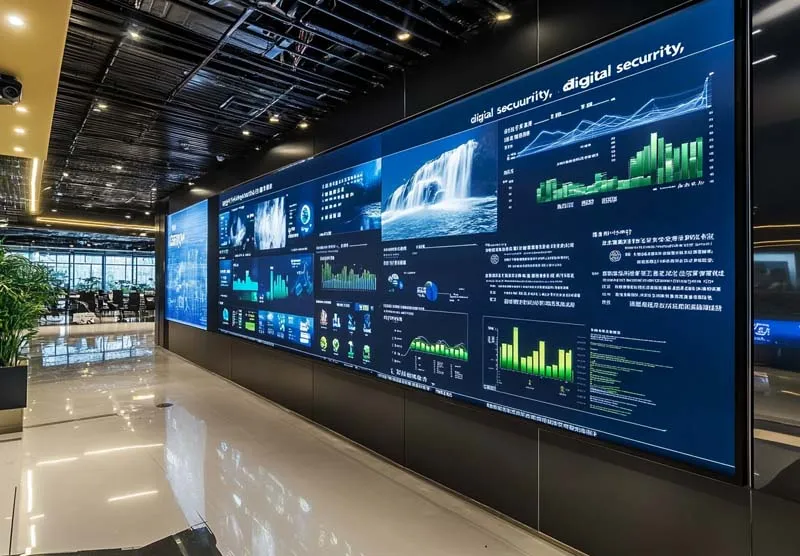
By combining the high precision of Micro/Mini LED chips with the scalability of mature packaging and SMT processes, MIP LED displays successfully bridge the gap between traditional SMD solutions and the next generation of MicroLED innovations. Consequently, it delivers exceptional optical performance, enhanced durability, and flexible maintainability, making it a highly competitive LED display choice for high-end indoor applications—such as broadcast studios, control rooms, retail environments, and immersive digital experiences.