
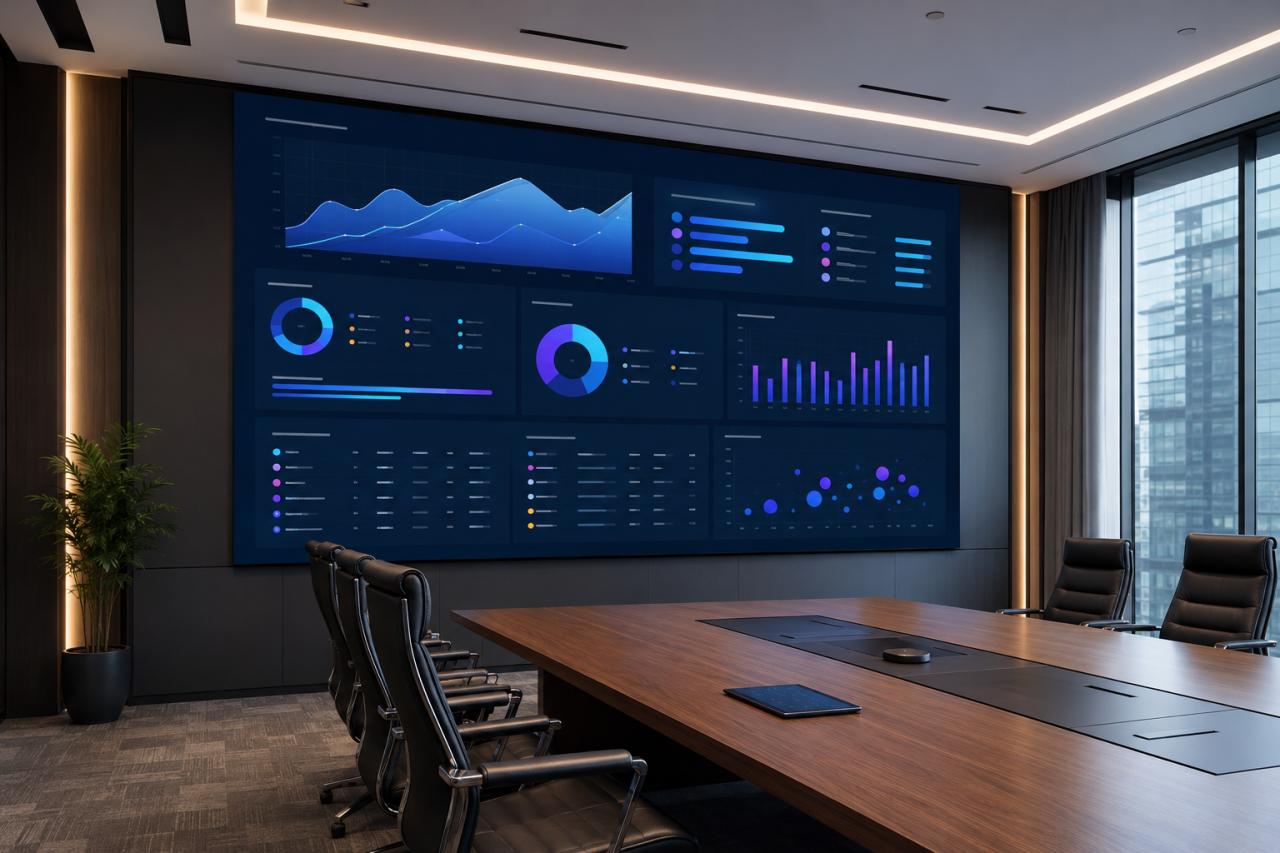
A screen that looks acceptable from ten meters away can look very different from two meters away. Close-viewing projects expose every weakness in an LED display, including visible pixels, uneven surfaces, low contrast, color shifts, damaged LEDs, and obvious seams. That is why comparing a COB LED display with a traditional LED display matters most in indoor spaces where people stand close to the screen. Control rooms, meeting rooms, corporate showrooms, retail flagship stores, broadcast studios, and high-end reception areas all position viewers near the image. In these spaces, the display must do more than show content. It needs to look clean, stable, and refined from a short distance.
Items viewed at close range require a minimum level of resolution
Pixel pitch matters, but it is not the whole story. Close-viewing projects also depend on surface consistency, contrast, color control, heat stability, and module protection. In control rooms, meeting rooms, and showrooms, viewers sit close enough to notice text sharpness, image edges, visible pixels, and uneven surfaces. The screen also needs stable low-brightness performance for charts, video calls, dashboards, and dark-background content. Both COB and traditional SMD LED displays can show content. The real difference is which one keeps the image cleaner, smoother, and more reliable when viewers stand close enough to see every flaw.
COB LED Display and Traditional LED Display Are Built Differently
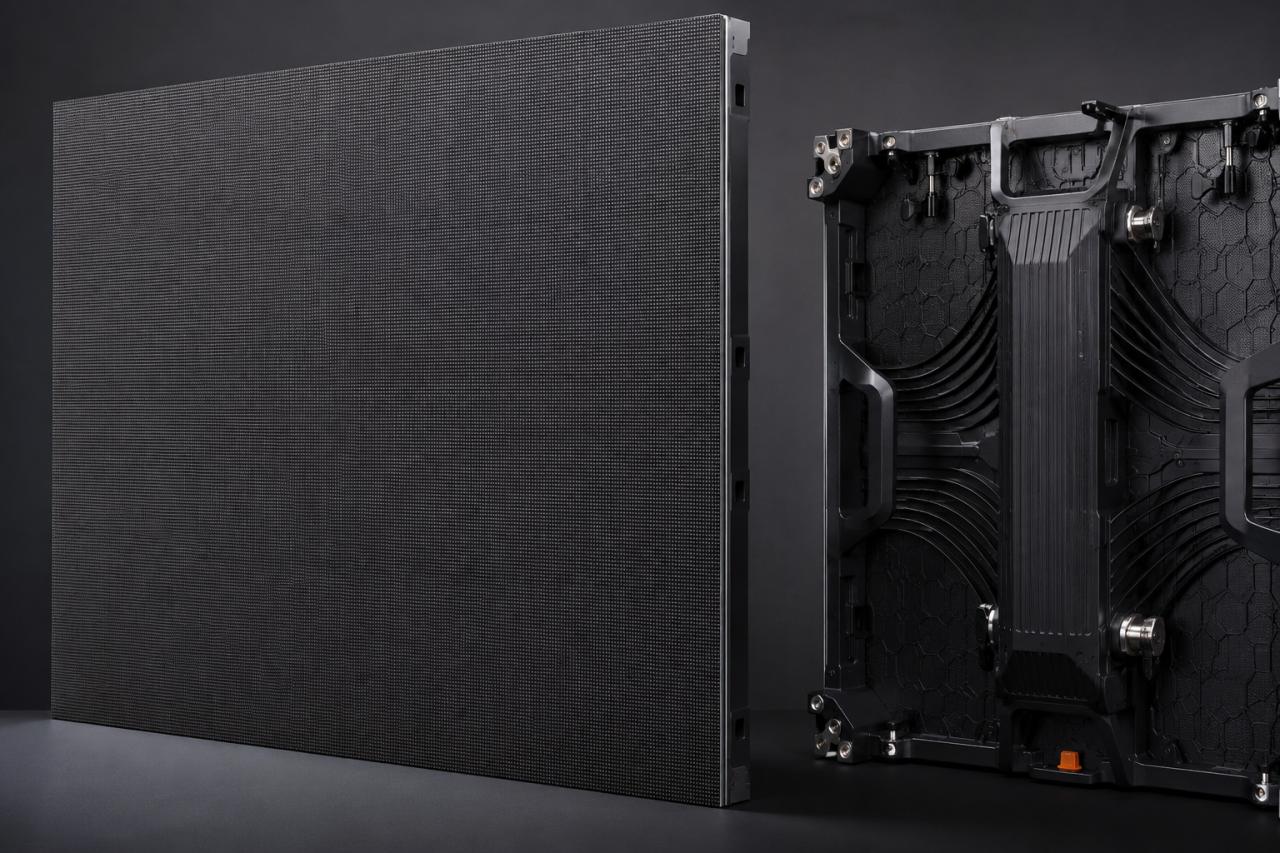
A chip-on-board LED display solution uses COB packaging. LED chips are placed directly on the board and covered with a protective layer. This creates a flatter and more integrated display surface. A traditional LED display usually uses SMD packaging. Each LED is packaged separately and then mounted onto the PCB. This structure has been widely used for years. It is mature, cost-effective, and still works well in many indoor and outdoor projects. However, the LEDs remain more exposed than COB-packaged chips.
COB LED displays: the packaging structure is crucial
Packaging structure affects real project performance. It changes how the display handles impact, dust, moisture, static electricity, cleaning, and long-term use. COB packaging helps protect the LED chips under a more complete surface layer. The screen feels more solid and uniform. This matters in public indoor areas, showrooms, control rooms, and conference spaces where people, installers, cleaning staff, or maintenance teams may work close to the screen.
Traditional SMD LEDs need more careful handling. During transport, installation, or maintenance, exposed LEDs face a higher risk of impact damage. A single damaged LED may look small on the module, but close-up viewing projects make these defects easier to notice. For fixed indoor projects, this structure difference becomes part of the ownership cost. Buyers are not only choosing a display type. They are choosing how much protection and maintenance tolerance the project will have after installation.
Cost Should Include Maintenance, Not Just Purchase Price
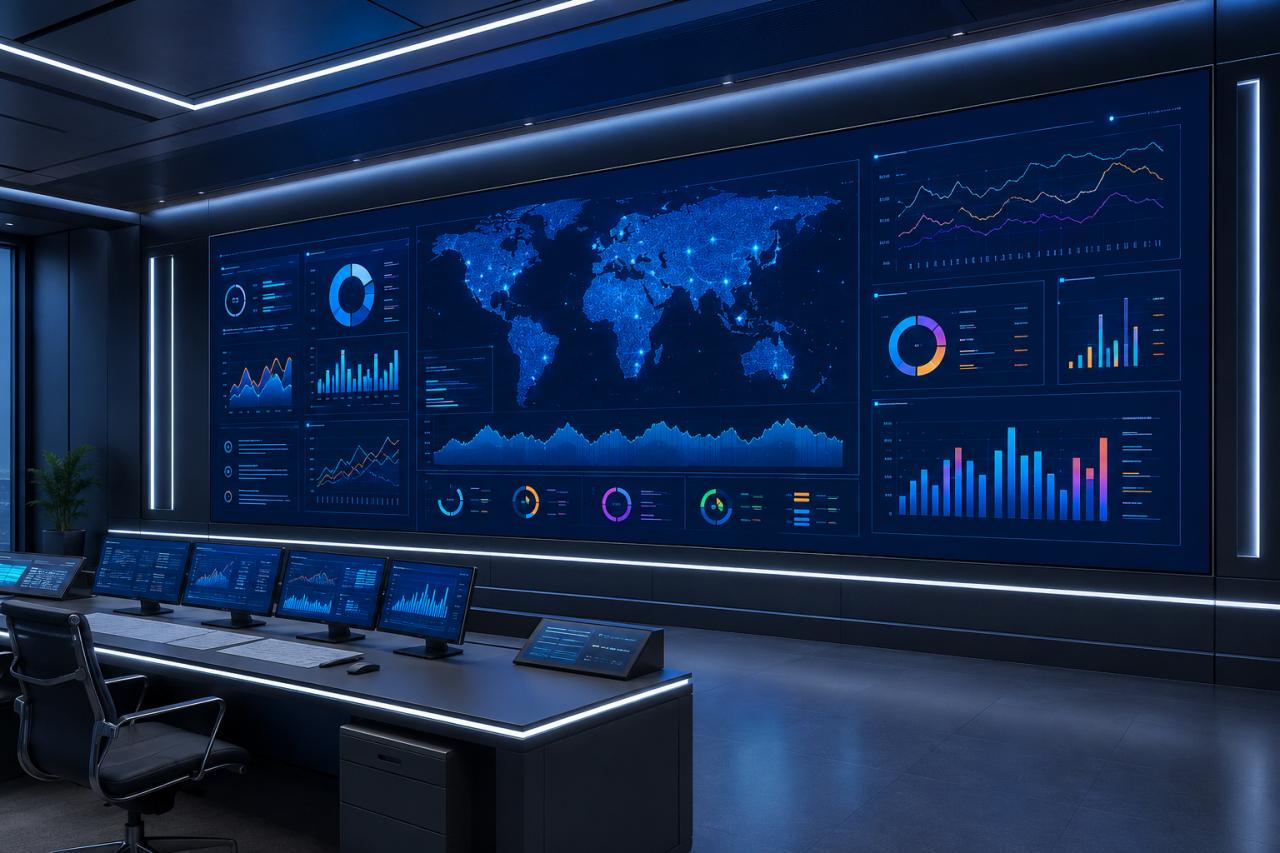
Traditional LED displays usually cost less upfront, which works for wider viewing distances, lower-risk spaces, or budget-focused projects. But the purchase price does not show the full project cost. COB LED display technology costs more at first because buyers pay for better packaging, surface protection, fine-pitch performance, and long-term stability. In control rooms, showrooms, and meeting rooms, the screen may run for long hours, displaying small text, data, product visuals, or video calls. A lower initial quote can lead to greater maintenance pressure later.
JR Visual’s COB features, including fine pixel pitch, strong color performance, 16-bit grayscale, and stable heat control, help reduce pixel failures and maintain consistent image quality over time. That makes COB easier to justify for indoor projects where reliability matters.
COB LED Display monitor is better suited to viewing at close range
For close-viewing indoor projects, a COB display is usually the stronger choice when image clarity, surface protection, color stability, and long-term reliability matter more than the lowest initial price. It fits control rooms, boardrooms, corporate showrooms, retail flagship spaces, broadcast studios, and high-end indoor video walls. These spaces need more than a working screen. They need clean images, stable performance, and a display surface that can handle daily use. For projects that need broader display planning, working with an experienced LED Display Manufacturer also helps align pixel pitch, cabinet design, control system, installation structure, and maintenance access before production starts.
A traditional LED display still makes sense for projects with wider viewing distances, tighter budgets, lower touch risk, or less demanding visual requirements. It remains a practical option when the screen does not need to perform under close visual inspection. The right choice depends on what the project values most. If the goal is to reduce initial cost, traditional LED may be enough. If the goal is to create a refined close-viewing display with better durability and lower long-term maintenance pressure, COB is usually the better fit. For a direct side-by-side breakdown, the COB screen and traditional LED display comparison gives buyers a clearer way to match the display type to the project, rather than guessing from a spec sheet like it’s some procurement astrology.