
In modern airports, corporate lobbies, and high-end retail stores, visual displays shape how people receive information, advertising, and branded content. OLED and LED module are often compared for premium indoor use because both can deliver strong image quality, but their technology, performance, and application limits are different. This article compares indoor LED and OLED display technologies in real-world settings, covering their strengths, limitations, and how to choose based on project needs.
Core Working Principles of LED Module Technology
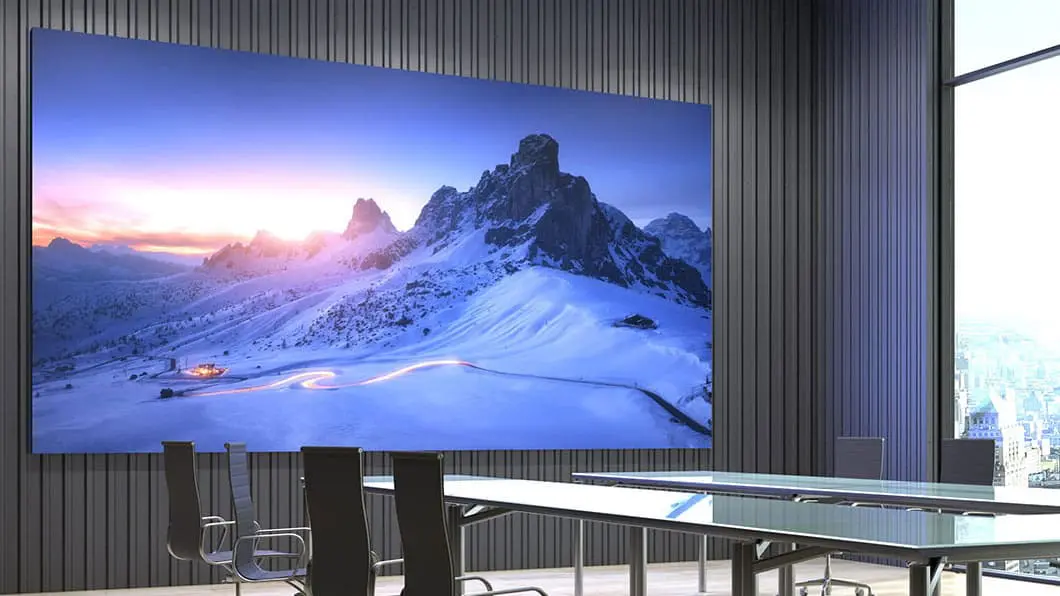
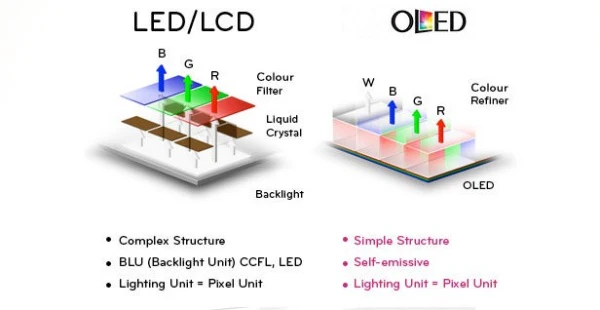
An LED module uses many light-emitting diodes arranged into modules and cabinets to form a seamless, large-format screen. Each pixel contains red, green, and blue LEDs that emit light directly, allowing the display to show images and video on a large scale. Modularity is its main advantage. Screens can expand horizontally or vertically, from a conference room display to a large digital wall. Pixel pitch, measured in millimetres, controls resolution and viewing distance. Smaller pixel pitches deliver sharper images at close range, making them useful for boardrooms, control centres, and exhibition halls.
Another vital aspect is brightness control. LED modules typically offer higher peak brightness than consumer televisions, yet they can be finely tuned to avoid eye fatigue in enclosed spaces. This balance keeps content visible under ambient lighting while maintaining comfort during extended viewing.
How OLED Displays Generate Images and Light
OLED, or Organic Light-Emitting Diode, technology operates on a very different principle. Instead of using discrete LED pixels mounted on a panel, OLED displays rely on organic compounds that emit light when electrically stimulated. Each pixel is self-emissive, meaning it produces its own light without a backlight.
This structure enables OLED displays to achieve exceptional contrast. When a pixel is turned off, it emits no light, resulting in actual black levels. This capability gives OLED screens their well-known cinematic image quality, with smooth gradients and subtle shadow details.
OLED panels are manufactured as fixed-size units, typically used in televisions, monitors, and mobile devices. While seamless video walls using OLED panels exist, they require careful alignment and tend to be smaller than LED-based systems. The organic materials used in OLEDs also exhibit specific ageing characteristics that influence lifespan and long-term visual consistency.
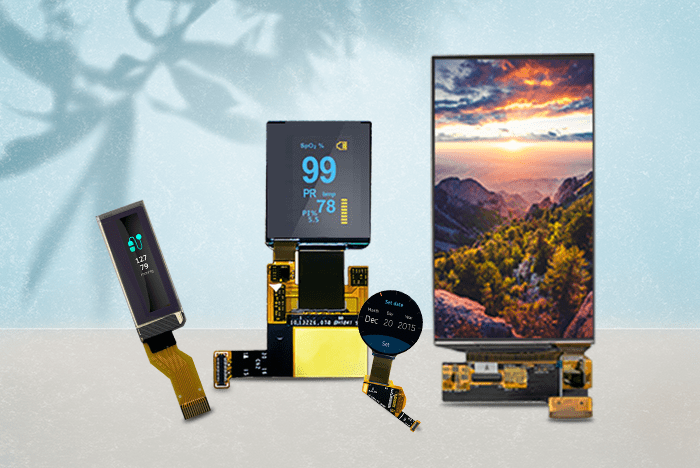
Image Quality Comparison in LED Module and OLED Environments
Image quality comparisons between LED modules and OLED usually focus on contrast, color performance, and uniformity. OLED performs well in black depth and low-light detail, making it strong for close-range cinematic content. Its lack of backlight bleed also gives images a clean, polished look. LED modules have improved greatly in color accuracy and grayscale performance. With advanced calibration, modern LED screens can keep consistent color across large surfaces.
Their black levels may not match OLED, but high-end LED modules still deliver strong contrast in well-lit indoor spaces. Uniformity also matters. OLED panels usually perform well out of the box, while LED modules rely on precise calibration. Once adjusted, LED modules can maintain even brightness and color across very large screens, beyond the practical size limits of OLED panels.
Brightness, Viewing Distance, and Ambient Light Adaptability
Brightness strongly affects indoor display performance. OLED works best in controlled lighting, such as home theaters, meeting rooms, and studios. Its brightness is usually enough for these spaces, but strong ambient light can reduce perceived contrast. LED modules handle a wider range of indoor lighting conditions. Higher brightness keeps content clear in atriums, malls, and transportation hubs, while adjustable brightness helps match softer environments without losing color quality.
Viewing distance also differs. OLED suits close-range viewing with high pixel density, while LED modules can support close and medium distances when the pixel pitch is chosen correctly. This gives LED modules more flexibility for different room sizes and audience layouts.
Installation Flexibility of LED Module Versus OLED Panels
Installation requirements show a clear difference between LED module systems and OLED displays. OLED panels are thin, lightweight, and visually clean, so they work well for fixed wall-mounted screens in limited spaces. LED modules are built for architectural integration. Their modular structure supports flat walls, curved surfaces, columns, and creative shapes that traditional panels cannot easily achieve. This makes them useful in brand spaces, museums, and large commercial interiors. Maintenance also differs. LED modules often support front or rear service, so single modules can be replaced without removing the whole screen. OLED displays usually require full panel replacement when problems occur, which can make large installations harder to maintain.
Lifespan, Reliability, and Operational Stability
Reliability during long-term operation is a key concern for premium indoor displays. OLED uses organic materials that gradually age, which can cause brightness loss and color shift, especially when static images stay on screen for long periods. LED modules use inorganic LED components, resulting in greater durability and more stable performance. With proper heat control and power regulation, they can maintain consistent brightness and color through years of daily operation. Burn-in risk is another difference. OLED displays are more likely to show image retention with static content, while LED modules are far less affected. This makes LED modules more dependable for information boards, corporate branding walls, and other long-hour display applications.
Choosing the Right LED Module or OLED Technology
Selecting between an LED module and an OLED display depends on application scale, viewing conditions, and content usage patterns. OLED displays are well-suited for smaller, fixed-size installations where close viewing and cinematic image quality are top priorities. Their slim design and deep blacks create an immersive experience in controlled environments. LED modules stand out in scenarios that demand size flexibility, higher brightness, and extended operating hours. Their adaptability to architectural spaces, resistance to image retention, and consistent performance across large surfaces make them a preferred choice for commercial and public indoor environments. Rather than viewing LED modules and OLED technologies as competitors, it is more accurate to see them as complementary tools, each optimised for different indoor visual demands.