
Many indoor LED display projects look simple at first: choose a screen size, confirm the space, and install the display. The real decision is rarely that easy. A corporate lobby, a trade show booth, a retail glass wall, and a museum entrance all need different screen structures, service methods, brightness levels, and installation plans. Fixed, rental, and transparent LED displays solve different project problems, so the selection should start with how the screen will be used, how long it will stay in place, and what the space needs to preserve.
Start with How the Indoor LED Display Will Be Used
Before comparing product types, define the indoor LED Display role in the space. Some screens need to run every day as part of a permanent brand environment, while others only support a product launch, conference, exhibition, or seasonal event. Some displays need to become part of the architecture, while others need to move, stack, hang, and pack down quickly. The content format also matters. A screen used for dashboards, product details, or close-range presentations needs sharper image detail, while a display used for large branding visuals can prioritize size, brightness, and viewing impact.
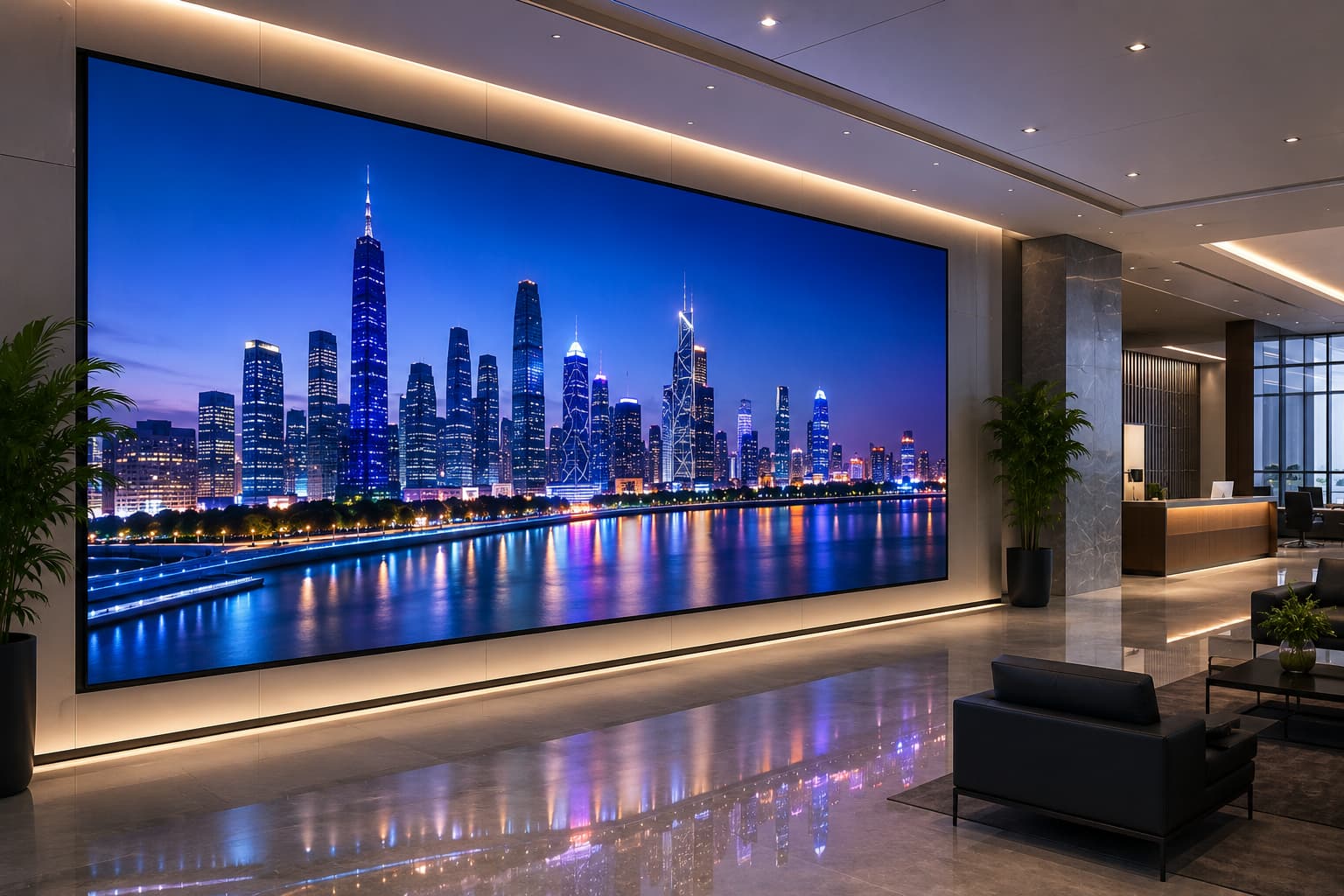
Fixed Indoor LED Display for Long-Term Spaces
A fixed indoor LED display works best when the screen stays in one place for daily use. Corporate lobbies, control rooms, retail walls, meeting rooms, museums, broadcast areas, and transportation interiors often need a stable screen that blends into the space and runs for long hours. Its main advantage is stability. The cabinet, mounting frame, power system, and signal layout can be designed around the wall or room. This helps the display sit flush, align cleanly, and keep a polished look over time. Fine-pitch display options also support close viewing, which matters when the screen shows presentations, maps, dashboards, product visuals, or branded content with small text.
Fixed displays are less convenient when the screen needs to be moved often. Dismantling and reinstalling a fixed screen can increase labor, the risk of damage, and downtime. Before choosing this type, buyers should confirm the viewing distance, wall structure, front- or rear-maintenance access, and long-term content needs. A fixed indoor LED display makes sense when the project needs clean integration, daily reliability, and a permanent visual presence.
Rental Indoor LED Display for Temporary Events
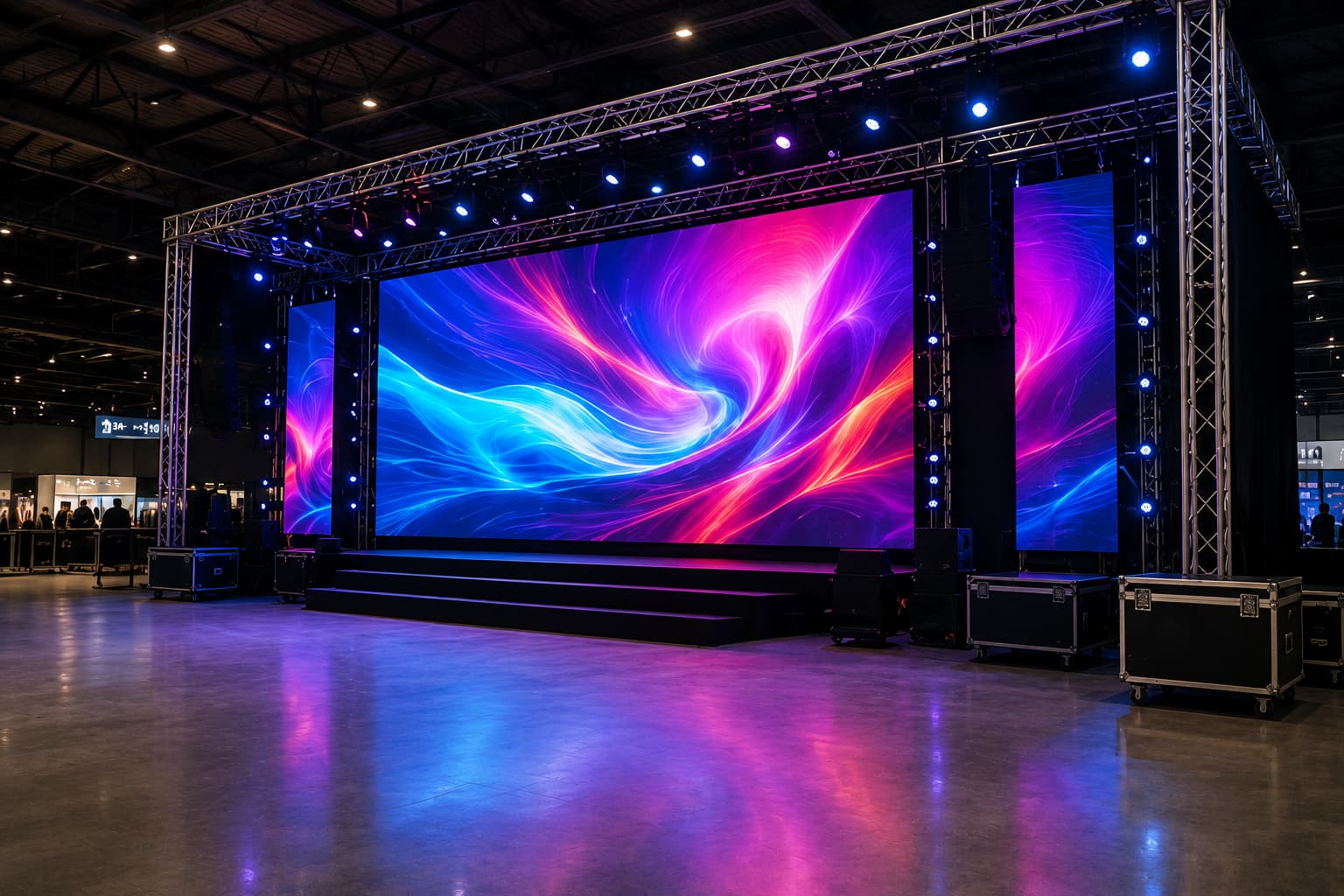
An indoor rental LED display offers event teams speed, flexibility, and the ability to set up repeatedly. Trade shows, conferences, stage events, product launches, pop-up stores, exhibitions, and temporary brand activations often use this type of screen. These projects need fast installation, safe rigging, easy transport, and adjustable screen sizes. Rental LED panels often use lightweight cabinets, quick-lock systems, and hanging, stacking, or curved structures. Event teams can build screens quickly and adjust the layout to fit the venue. Rental setups also reduce commitment when a campaign or event only needs the screen for a short time.
Problems appear when buyers use a temporary screen as a permanent installation. Rental panels may not match the clean finish of a fixed display, especially in high-end interiors that need flush alignment, hidden structures, and long-term service access. Buyers should separate single-event rental from repeated-use panel purchases. The first depends on service support and setup time; the second depends on cabinet weight, locking design, transport protection, and repair speed.
Transparent Indoor LED Display for Glass and Open Spaces
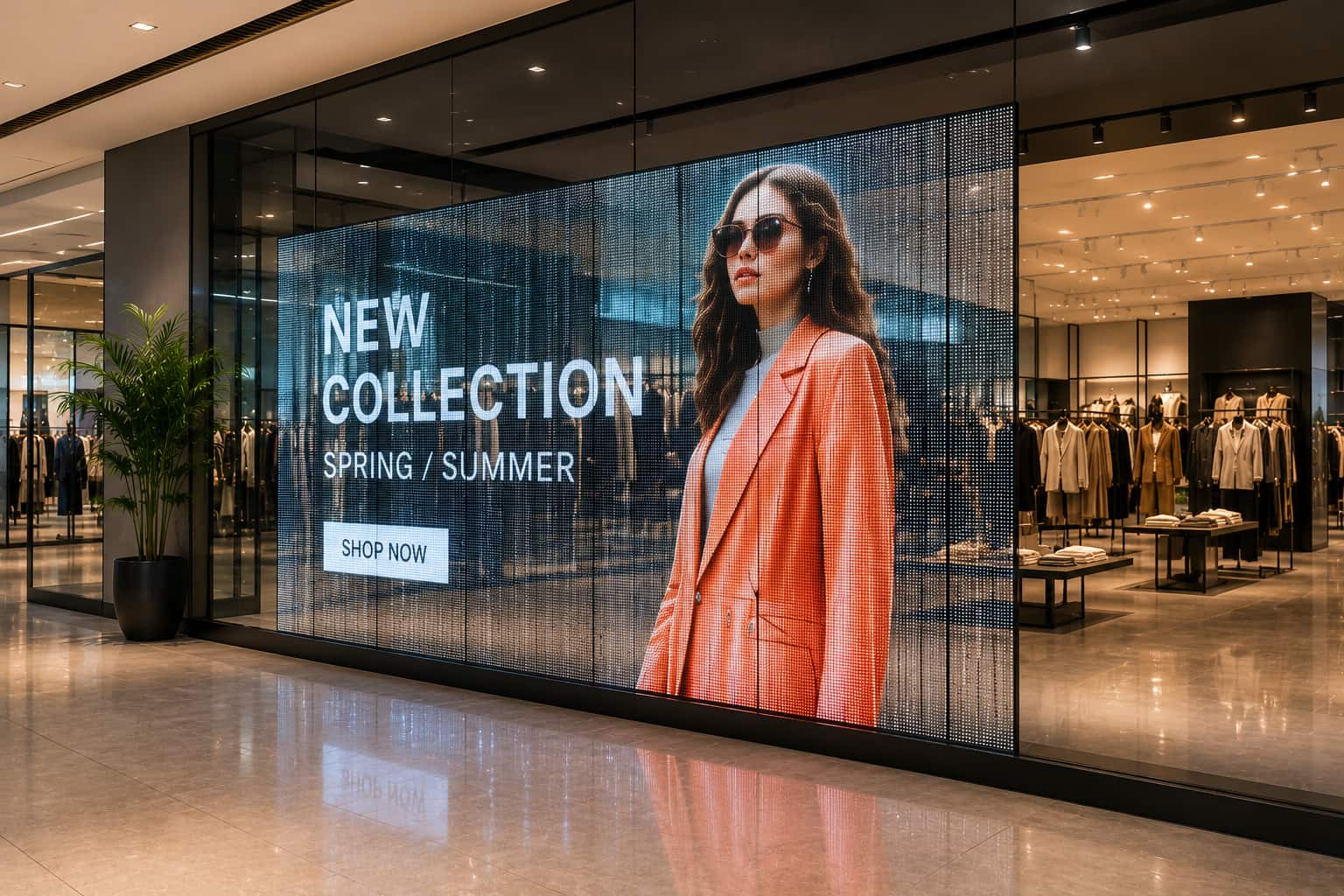
A transparent indoor LED display shows digital content while keeping visibility through glass. Retail storefronts, mall windows, glass partitions, museums, showrooms, and corporate entrances use it when a solid LED wall would block light, sightlines, or interior openness. It can display ads, product visuals, wayfinding, or branded content without fully closing off the space behind it. This makes it useful for areas facing foot traffic while still showing merchandise, interior design, or activity inside.
Transparency depends on the structure. Film-based displays keep more openness, while cabinet-based options may offer stronger structure, easier maintenance, or higher brightness. Buyers should compare transparency, pixel pitch, brightness, viewing distance, and installation method together.
Fixed vs Rental vs Transparent Indoor LED Display Comparison
| Display Type | Use Case | Main Strength | Main Limitation | Buyer Should Confirm |
|---|---|---|---|---|
| Fixed indoor LED display | Lobbies, control rooms, retail walls, meeting rooms | Clean long-term integration and stable operation | Difficult to move after installation | Viewing distance, wall structure, service access |
| Rental indoor LED display | Events, exhibitions, conferences, temporary launches | Fast setup and flexible layouts | Less polished for permanent interiors | Rigging method, cabinet weight, setup time |
| Transparent indoor LED display | Storefront glass, showrooms, museums, and glass partitions | Keeps light and visibility through the space | Lower visual density than solid LED walls in some cases | Transparency, brightness, pitch, and glass condition |
Choose fixed for long-term use, rental for flexible events, and transparent LED when glass visibility matters.
The Right Indoor LED Display Depends on Project Use
The right indoor LED display comes from matching the screen structure to the space, schedule, and viewing behavior. A permanent corporate wall needs a different approach from a three-day exhibition booth. A glass storefront needs a different display structure from a control room wall. Even two screens of similar size can require different cabinets, pixel pitches, brightness settings, and service plans.
Start with the project’s daily use. Then compare viewing distance, installation surface, content type, maintenance access, and how long the screen will remain in place. Fixed, rental, and transparent LED displays all have clear roles when the project conditions are defined early. JR Visual can help compare these structures under real-world conditions, so the final display supports the project visually, structurally, and operationally.