JR NEWS
LED sphere rental transport and packaging need to be agreed upon before dispatch. A case that cannot fit the goods lift, a missing component or

LED sphere rental transport and packaging need to be agreed upon before dispatch. A case that cannot fit the goods lift, a missing component or
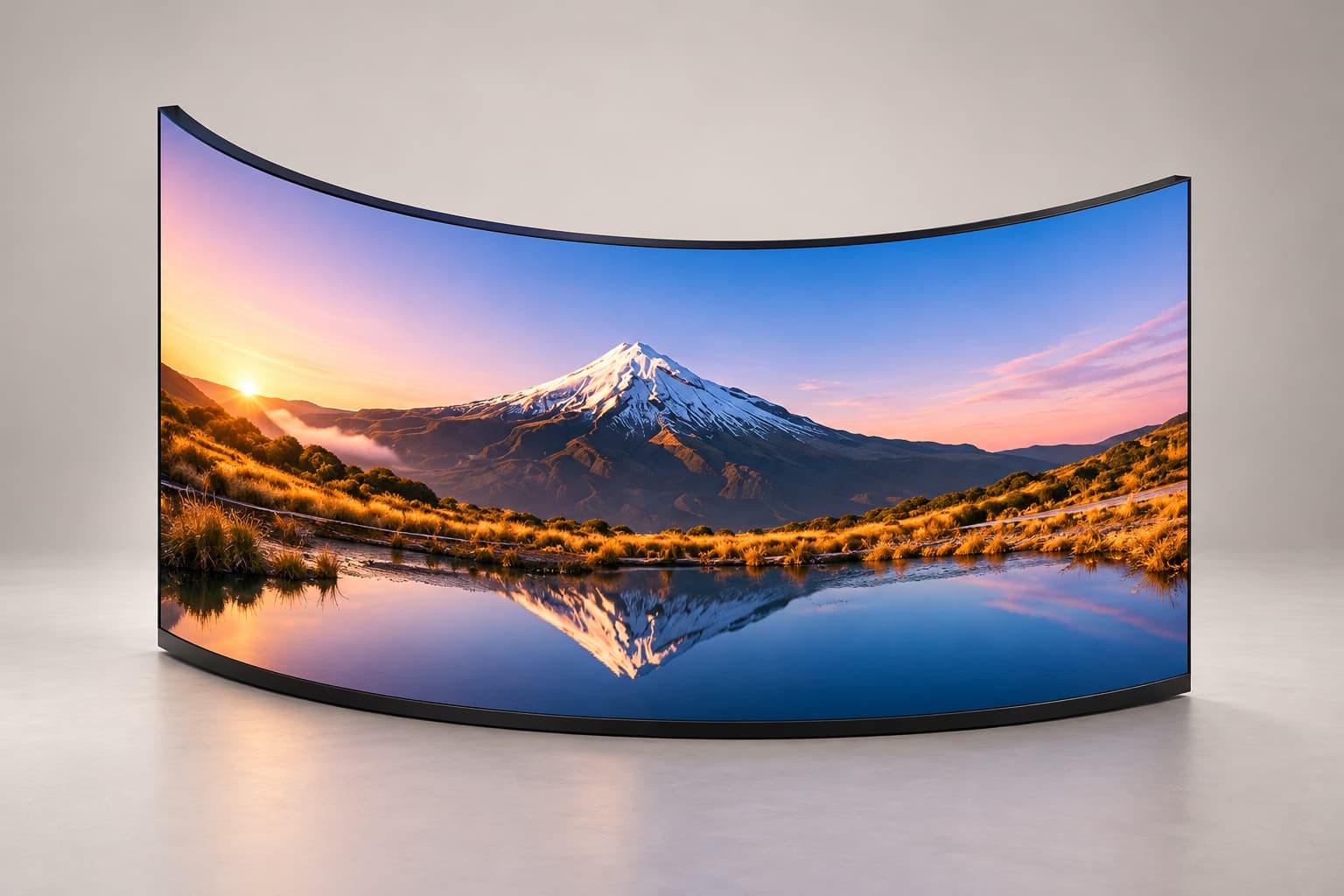
A replacement module can fit the opening in a flexible LED display and still show the wrong image or a visible color patch. Ordering by
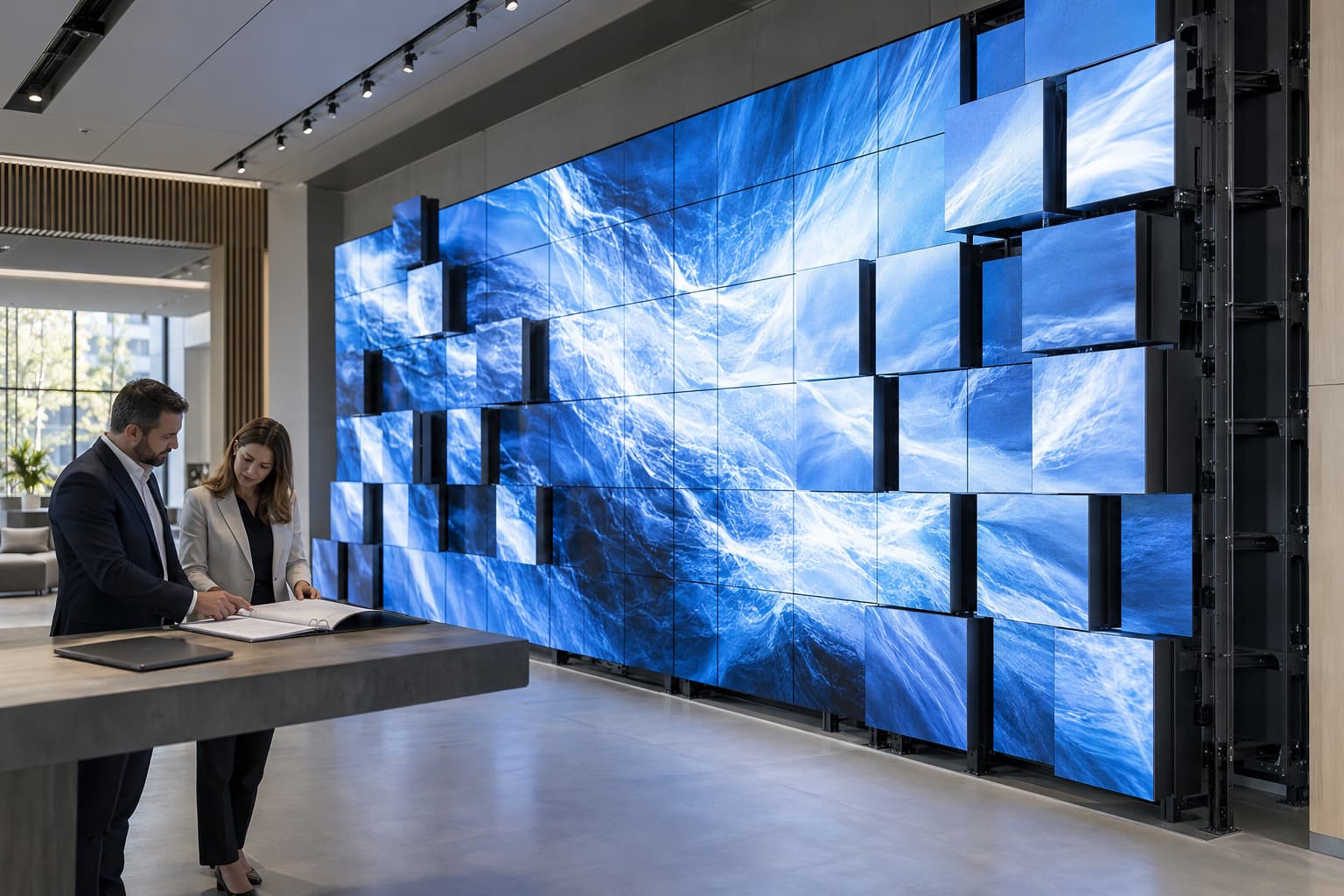
A kinetic LED display handover should give the owner a usable record of the installed system: final drawings, equipment identification, approved configuration backups, matching motion
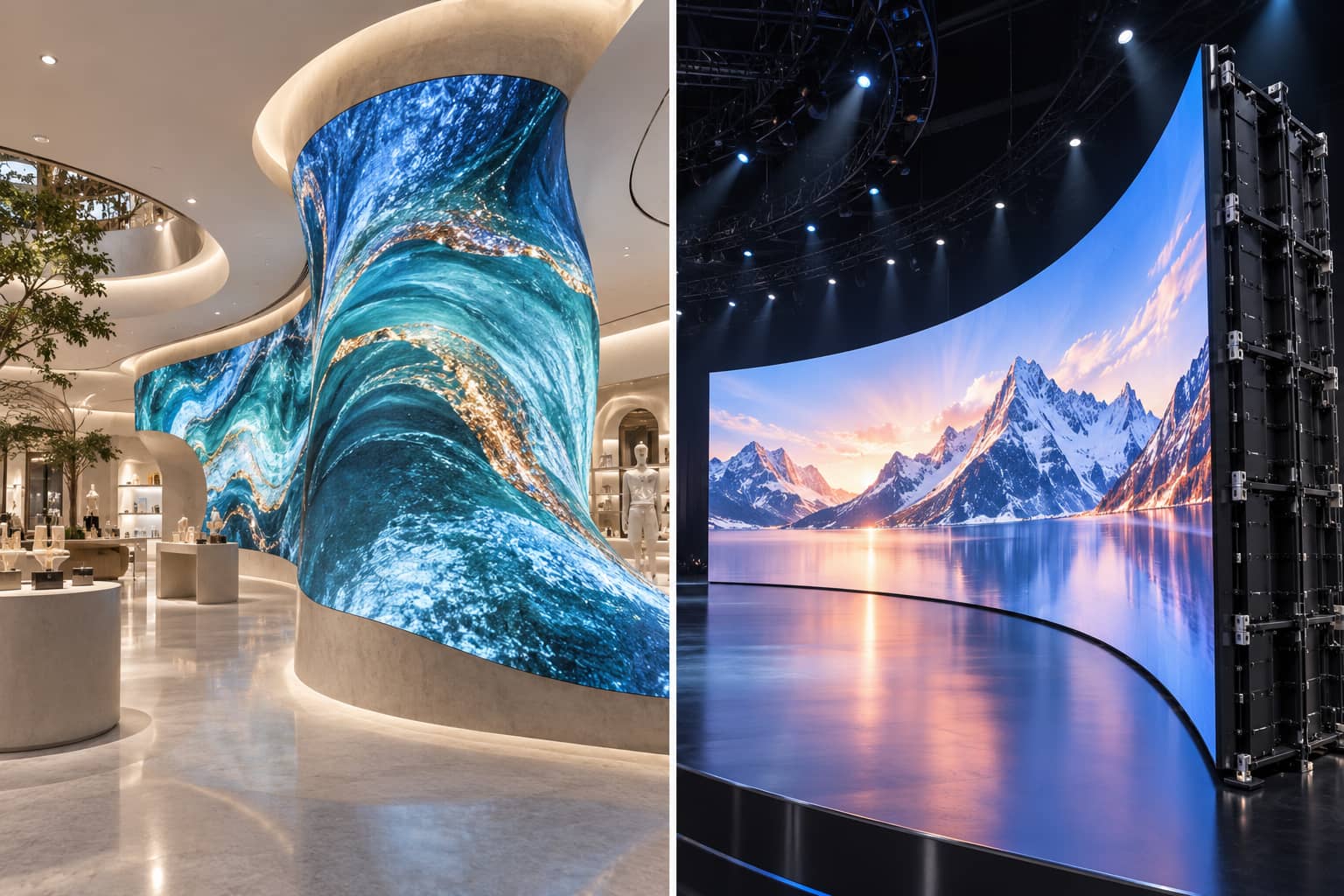
A curved architectural surface does not automatically require a flexible LED module. For some projects, a conventional cabinet system assembled at controlled angles can create

A rotating LED display combines electronic display components with mechanical motion. This creates maintenance requirements that differ from a conventional fixed LED wall. Image quality
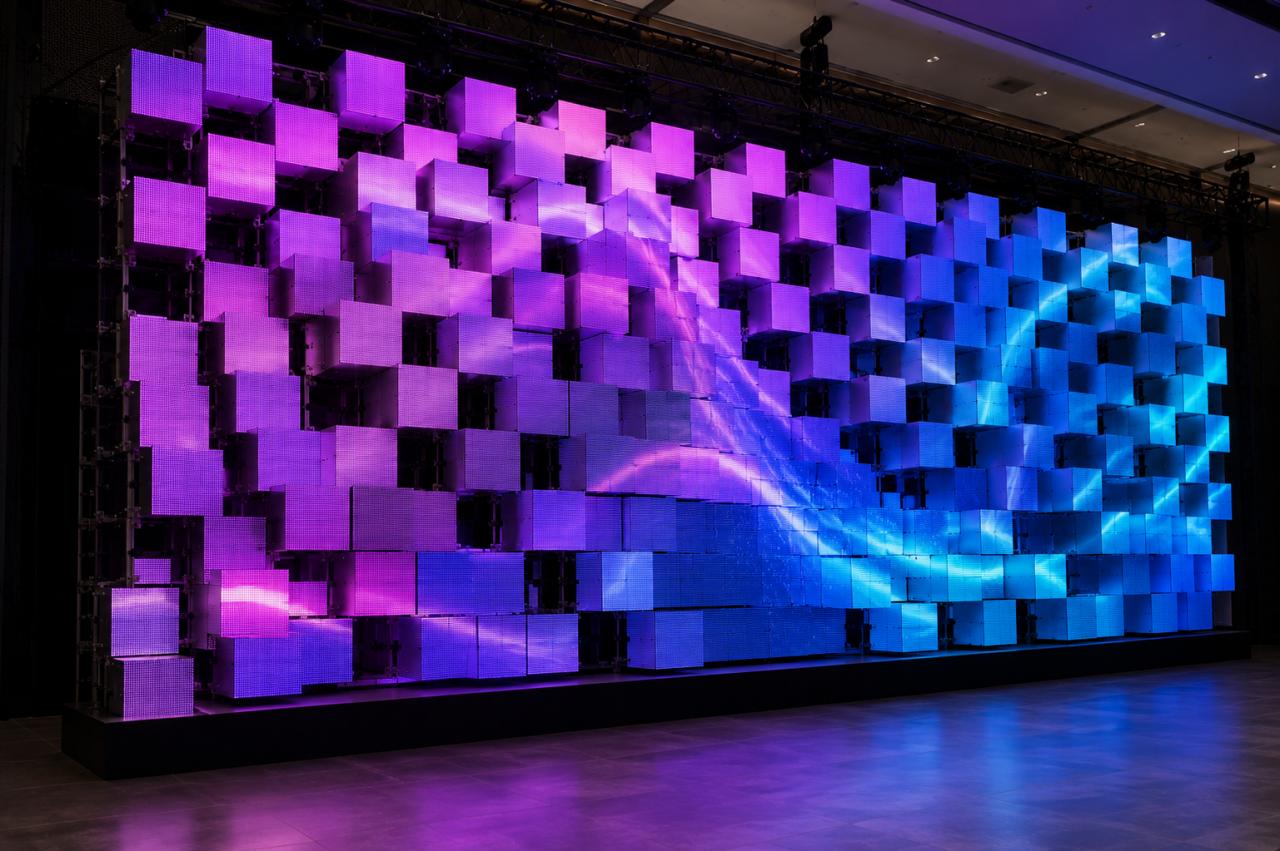
A kinetic LED installation cannot be planned like a conventional fixed video wall. The LED modules may move vertically, rotate, or change position during operation,
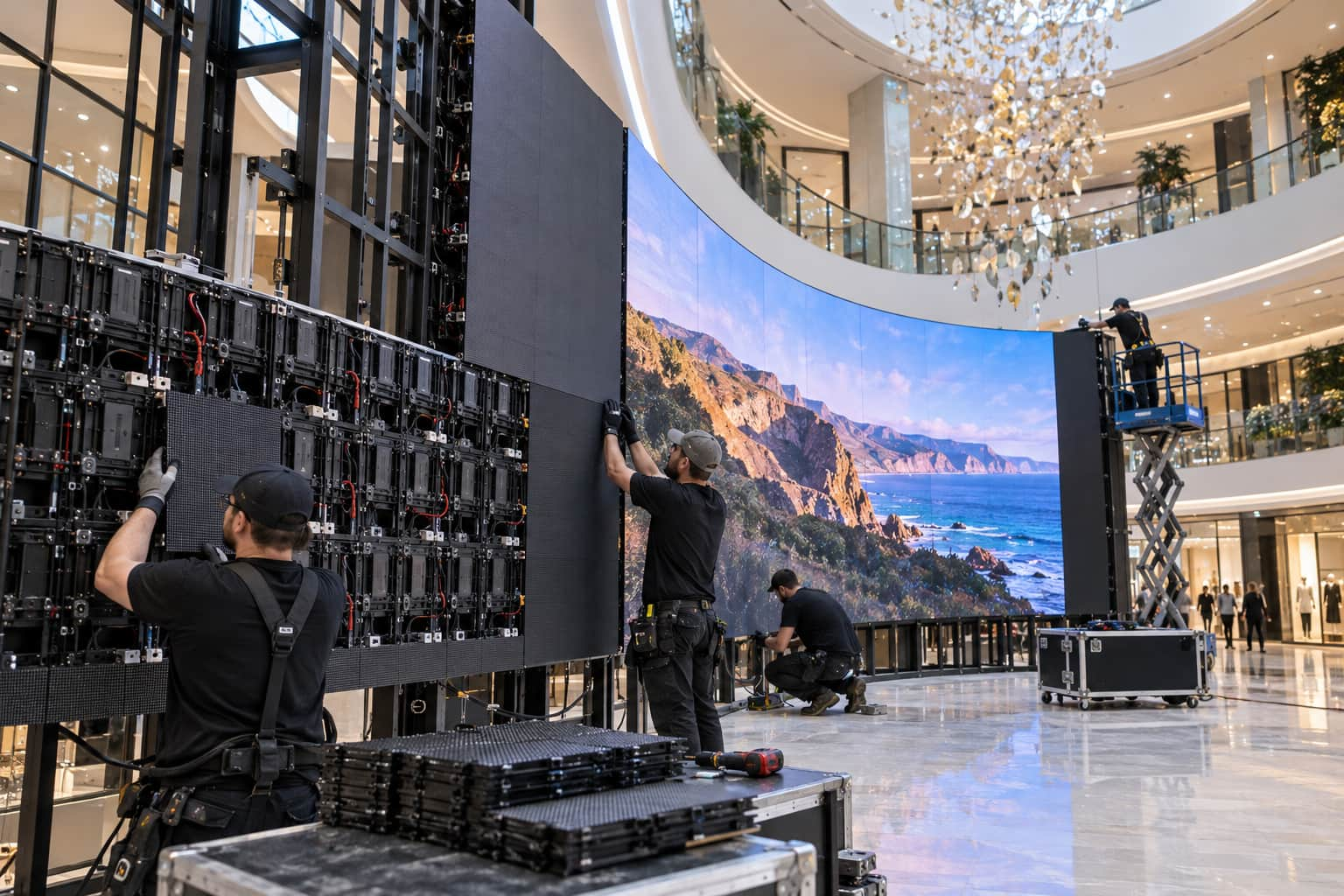
A flexible module can form a curve, but the module alone doesn’t define the final radius. Cabinet dimensions, module joints, magnets, frame tolerances, cable clearance,
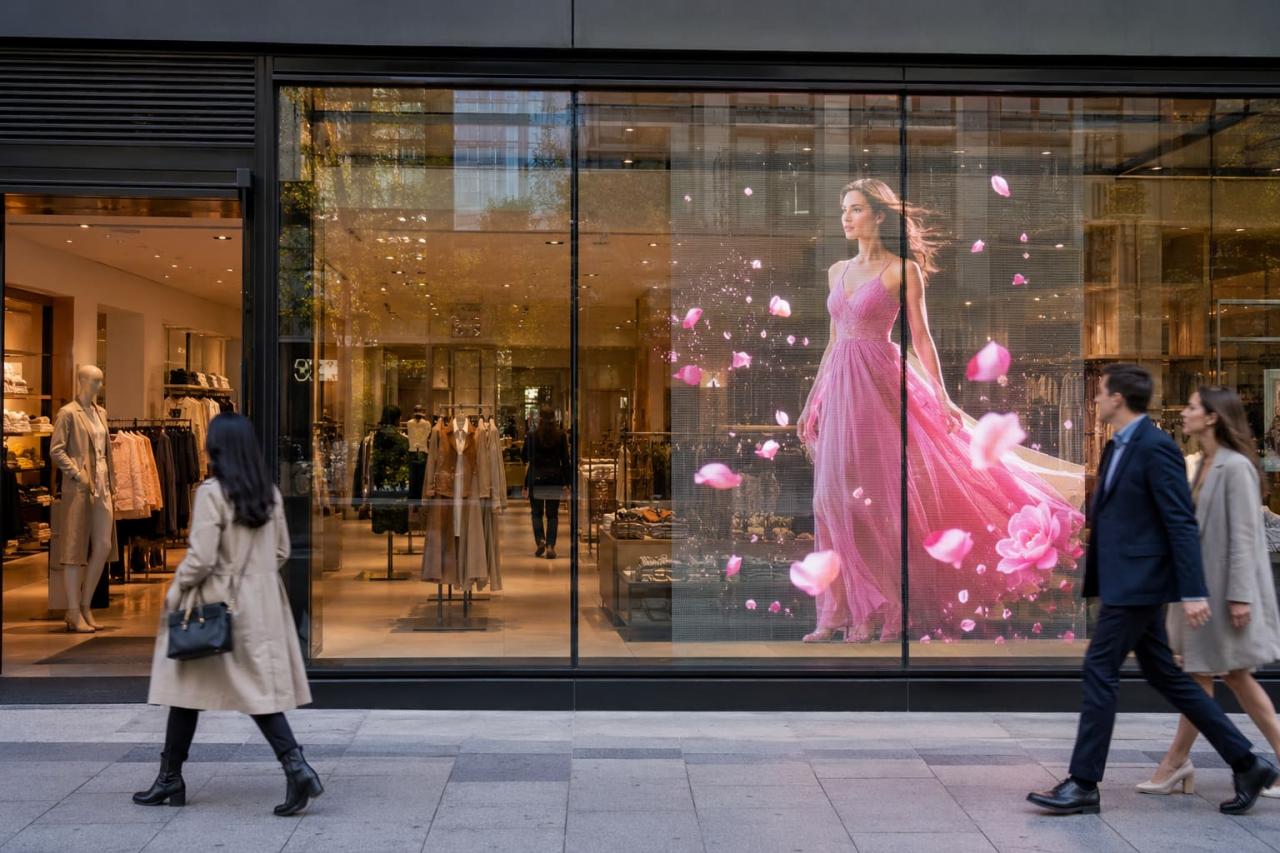
People often choose transparent screens because the glass, merchandise, architecture, or view must remain visible. That goal can conflict with image brightness, pixel density, viewing
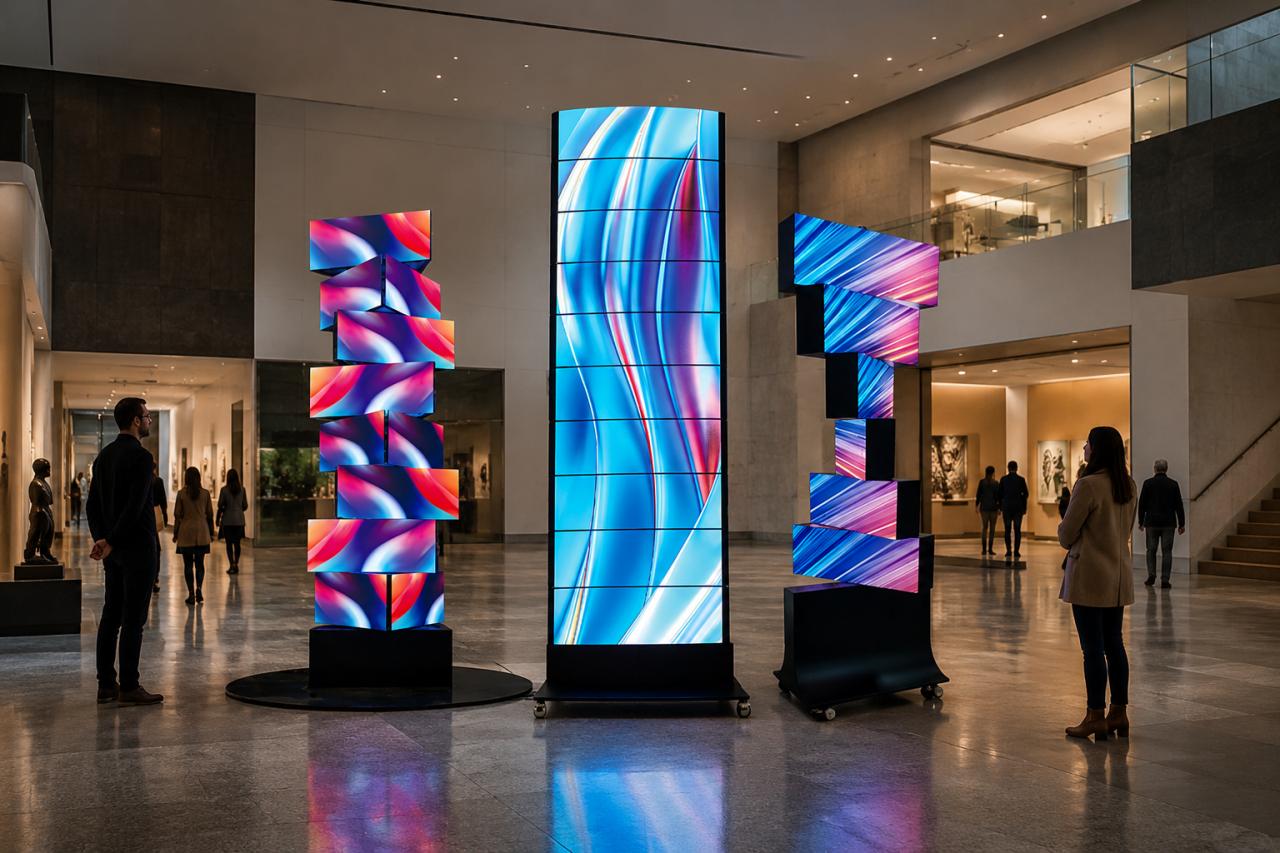
A rotating screen adds mechanical movement to an LED display, so buyers must approve more than pixel pitch and cabinet size. The project also needs
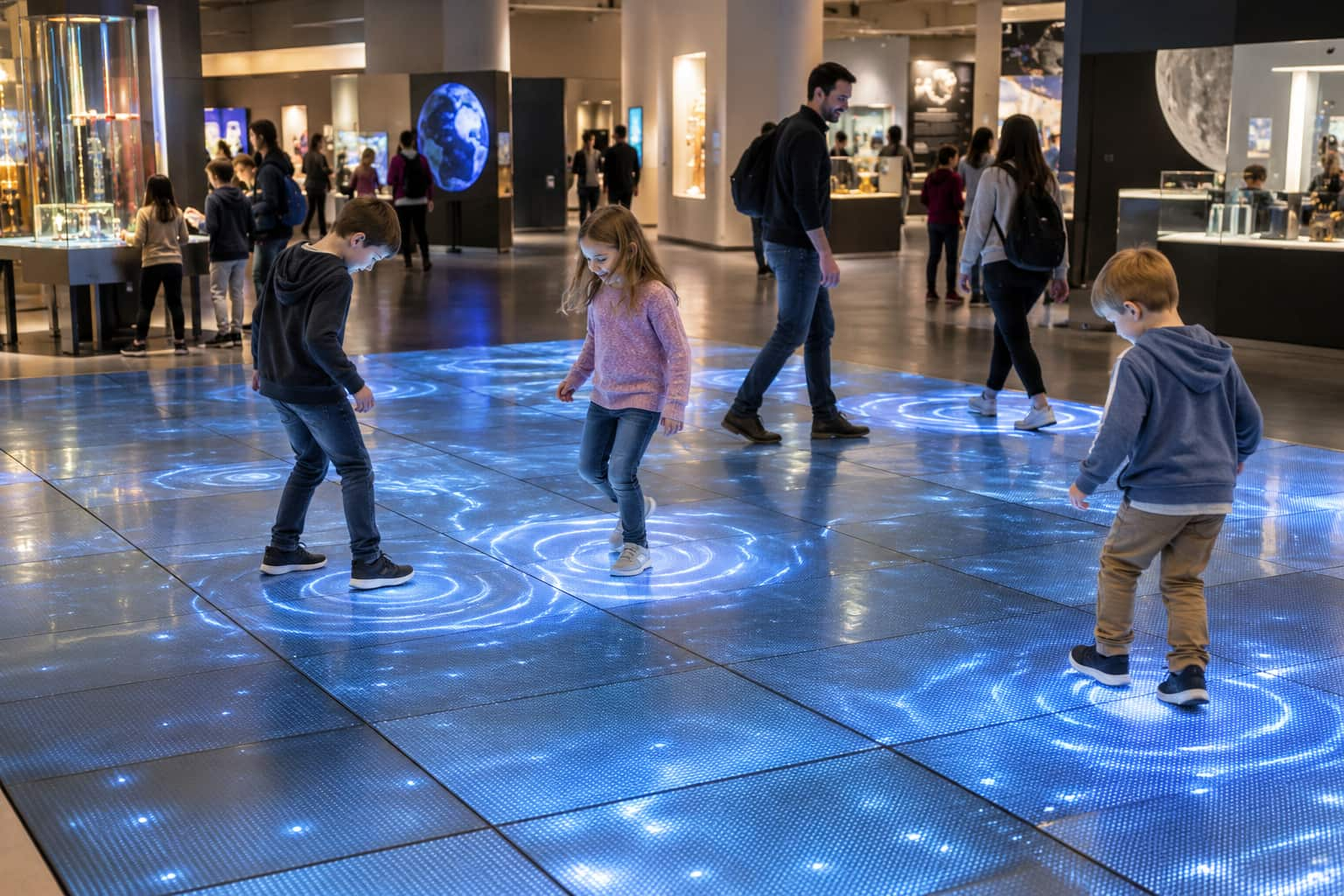
A floor LED display load specification must treat the system as both an image surface and a walking or equipment platform. Its visual specification cannot